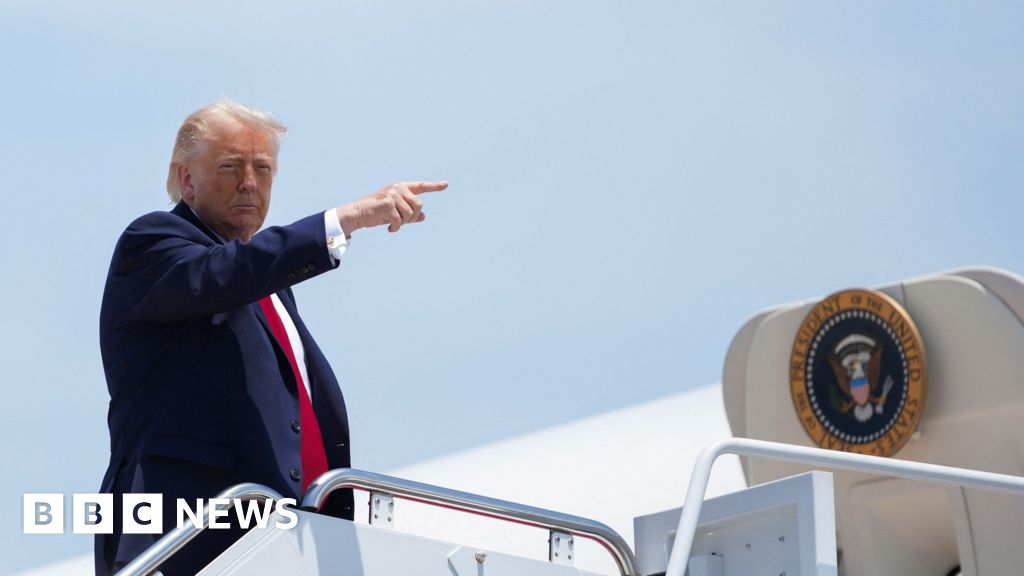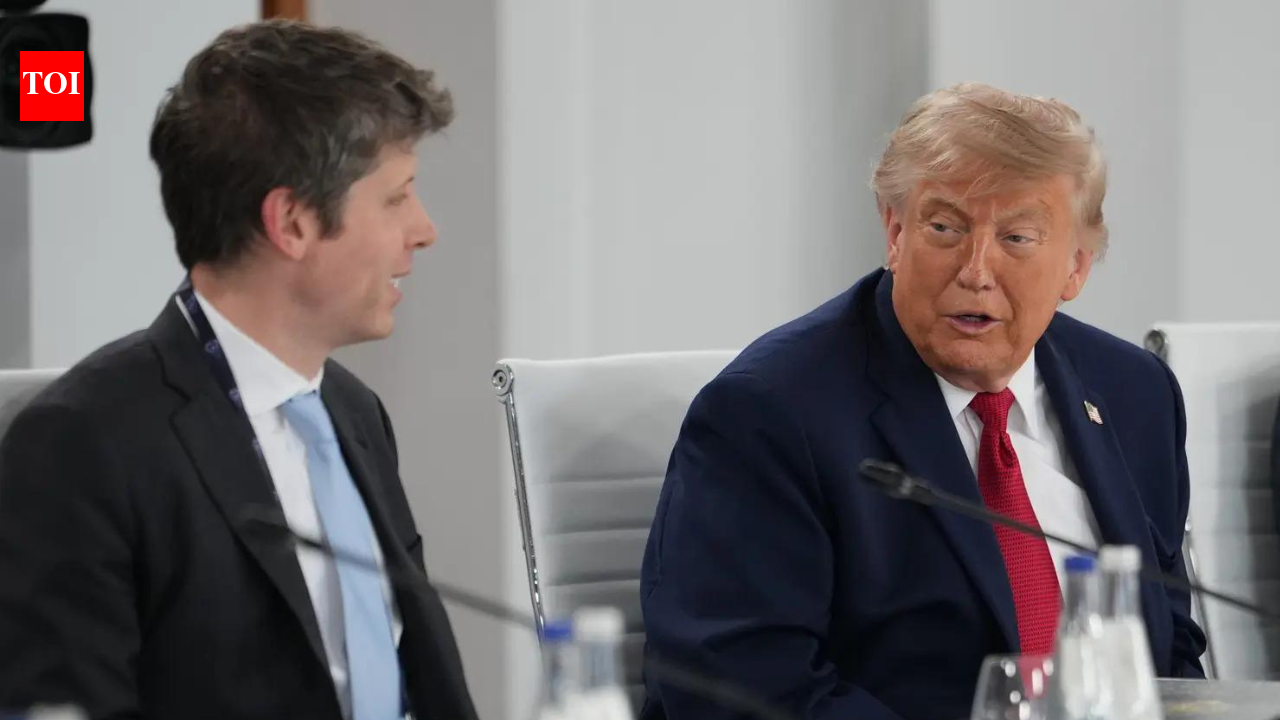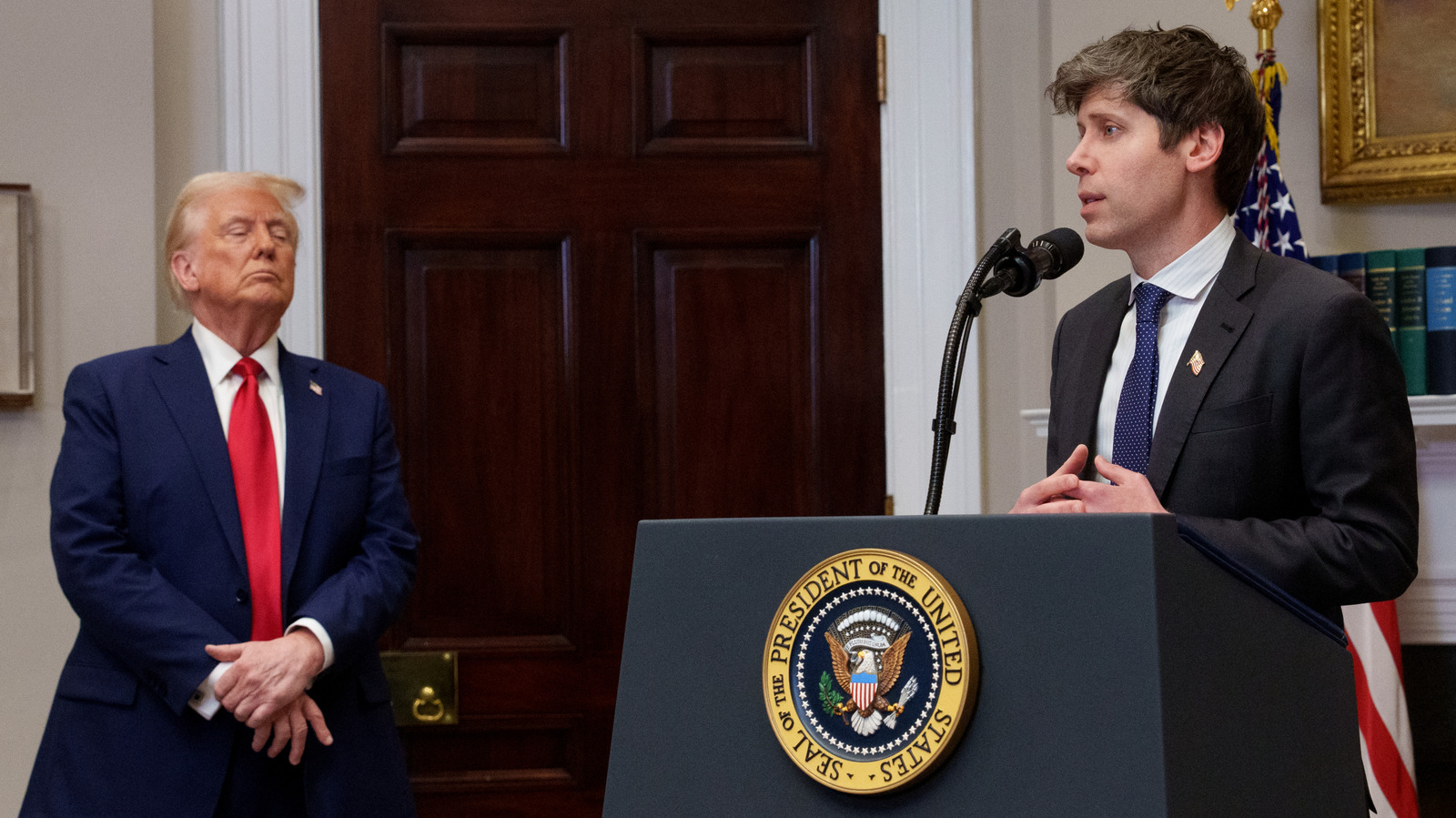
The Trump administration is reportedly in discussions with OpenAI about the US government taking an equity stake in the artificial intelligence company, according to multiple reports. As first reported by NOTUS, "senior US officials" have been in talks with AI companies regarding potential stakes. CNBC confirmed the negotiations and noted that discussions between the Trump administration and OpenAI CEO Sam Altman date back to 2025, when Altman first proposed the idea.
Details of the Potential Agreement
The reported talks have led to a potential agreement under which OpenAI would voluntarily offer some equity to the US government, according to CNBC's source. This move would help the company achieve something similar to its proposed "Public Wealth Fund." However, no official terms have been settled yet, and it remains unknown what percentage of equity the Trump administration would receive. For context, the US government previously secured a 10 percent stake in Intel with a nearly $9 billion investment.
The Proposed Public Wealth Fund
OpenAI first suggested the Public Wealth Fund concept in an industrial policy outline published in April. The proposal aims to "provide every citizen with a stake in AI-driven economic growth." By offering equity to the government, OpenAI would effectively create a similar mechanism, ensuring that the economic benefits of AI are broadly shared.
| Aspect | Intel Stake (Precedent) | Potential OpenAI Stake |
|---|---|---|
| Stake percentage | 10% | Unknown (not finalized) |
| Investment amount | Nearly $9 billion | Undisclosed |
| Purpose | Support domestic chip manufacturing | Support AI-driven economic growth |
Regulatory Context
The talks come amid a broader push for AI oversight. According to CNBC, the discussions are still ongoing, and Altman recently met with Washington policymakers to talk about AI regulation. Earlier this week, the Trump administration signed an executive order that would provide the US government with oversight on AI models before they are released to the public. While tech companies may have exerted pressure, OpenAI responded by stating it would comply with the order and allow government regulators to review its latest models before public access.
Implications for Enterprise Technology Leaders
For CTOs and digital transformation leaders, the potential government stake in OpenAI signals a deepening relationship between the public sector and frontier AI companies. While the article does not detail specific supply chain or logistics applications, the broader trend of government involvement in AI could affect how enterprise customers access and trust AI models. The executive order on pre-release oversight may introduce new compliance requirements for companies integrating OpenAI's models into their operations. The Intel precedent suggests that such stakes often come with strings attached, potentially influencing technology roadmaps and procurement strategies.
As the talks continue, enterprise buyers should monitor how any finalized deal reshapes OpenAI's governance and product availability. The outcome could set a template for government participation in other critical technology sectors, including those directly tied to global trade and logistics automation.
Sources: