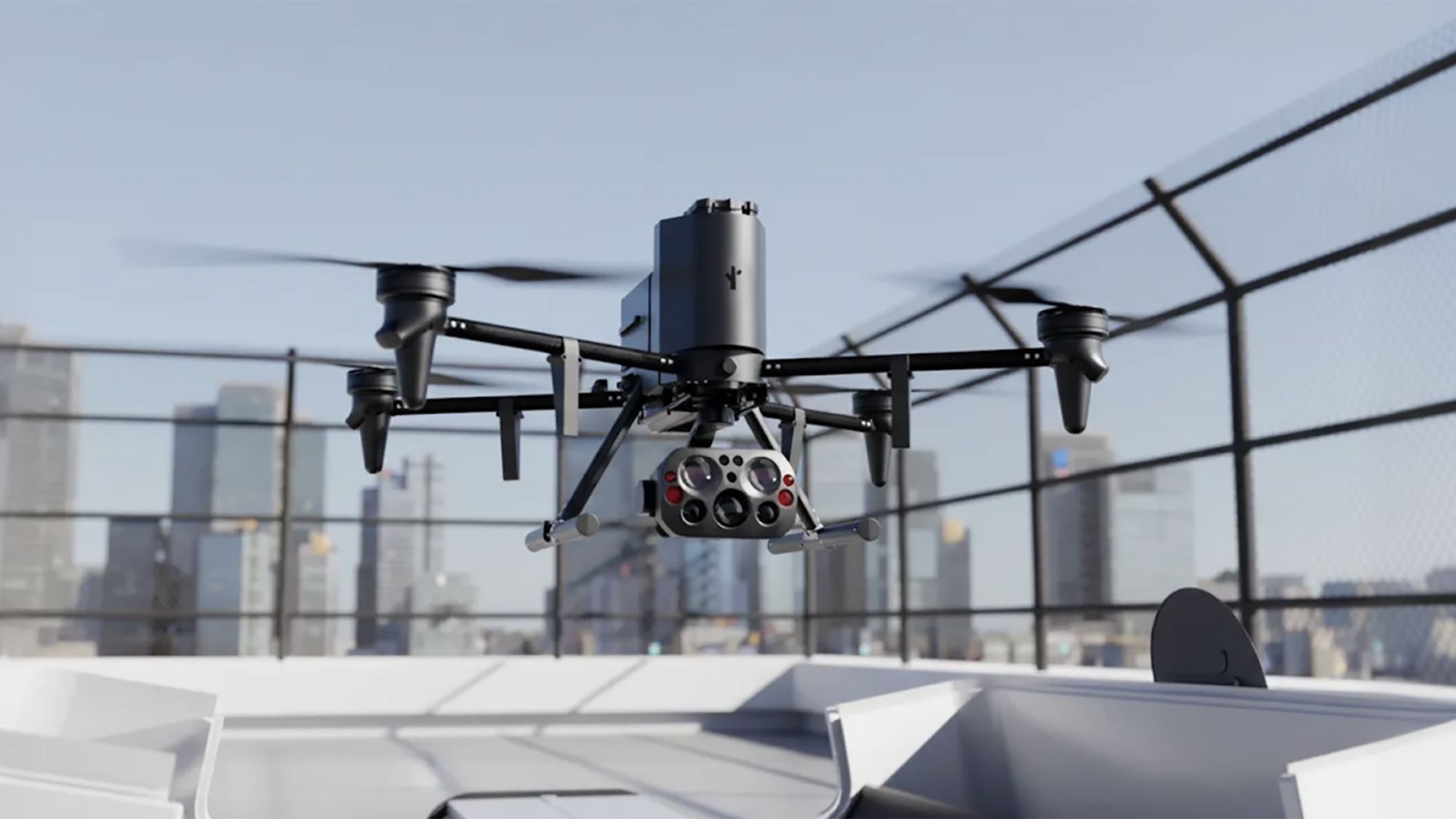
Vehicle surveillance company Flock Safety has publicly insisted for years that its technology "cannot recognize, identify, or track individuals." According to WIRED, it has now built an artificial intelligence tool for police that does both. The software, originally called Nightshift and now renamed OS Investigate, can identify drivers and track vehicles by their patterns of movement alone, using a camera network that logs the movements of drivers in more than 6,000 communities.
From Plate Matching to Person Identification
Flock built its business, WIRED reported, on a simple transaction: a camera photographs a passing car, converts the plate to text, and checks it against a list of vehicles police are looking for. Cars that are not on the list are recorded and otherwise ignored. OS Investigate's pre-loaded prompts invert that arrangement. An officer no longer needs a plate, a name, or a crime to begin. They supply a place, a stretch of time, and a pattern of behavior, and the system is designed to hand back the people who fit.
The tool can pick out potential witnesses by how often their cars pass through a neighborhood, or surface a driver's "associates" from the cameras they pass together. Because the system also reaches police case files, 911 dispatch logs, and commercial identity records, those plates can be turned into names, home addresses, and relatives. It can search for people in an area drawn on a map based on nothing more than a physical description.
Inside the Leaked Code: 69 Prompts, 45 Tools
WIRED found on Flock's own website a cache of more than 450 files, served by its login pages to anyone who loaded them. The code describes 45 tools at the AI's disposal and 69 prewritten prompts that officers can select, review, or edit before submitting. Officers can also input prompts of their own.
| Data source accessed by OS Investigate | What it provides |
|---|---|
| Plate scans and camera metadata | Vehicle locations, movement patterns, associates |
| Arrest records | Criminal history for mapping and dossiers |
| Case files | Investigation records |
| 911 dispatch logs | Calls for service at specific addresses |
| Ballistics results | Firearm matching data |
| Commercial databases | Social Security numbers, dates of birth, phone numbers, email addresses, relatives and associates |
Two Prompts Show How Searches Work
All 69 prompts are offered to officers as a menu of canned searches. Selecting one pastes it into a chat box, where it can be edited before submission. One pre-loaded prompt reads:
Find me witnesses based on vehicles most seen in [neighborhood] during [last 14 days] during [daily timeframe]. *(will not include whitelisted vehicles).
The output, WIRED reported, is a list of plates, which other tools in the product convert into names and home addresses.
Another prompt instructs the system to list everyone arrested more than twice in two years for "any offense," exempting only narcotics arrests, map where those people live, retrieve the calls for service at their homes, and "do a workup on the top 3 individuals." A "workup," in Flock's terminology, is a one-command background check that starts with a name and a date of birth. The prompt, WIRED reported, begins with everyone in the area who has an arrest record and ends with dossiers on three of them, chosen by the software.
Legal, Political and Operational Risk
Privacy and legal experts, according to WIRED, say Flock's tools already raise serious constitutional concerns by giving police broad, often warrantless access to a vast record of people's movement. The prompts WIRED examined go further, turning a tool for finding a known vehicle into one that casts suspicion on drivers based on where and how often they drive, regardless of whether they are wanted for a crime.
Flock says it is testing the product with a small group of law enforcement partners and describes it as still in development, with capabilities that may not reflect what it eventually sells. The company faces bipartisan political pressure, a growing record of officers caught misusing its platform, and a wave of vandalism that has left cameras sawed off and lenses painted over in cities across the country.
Sources: