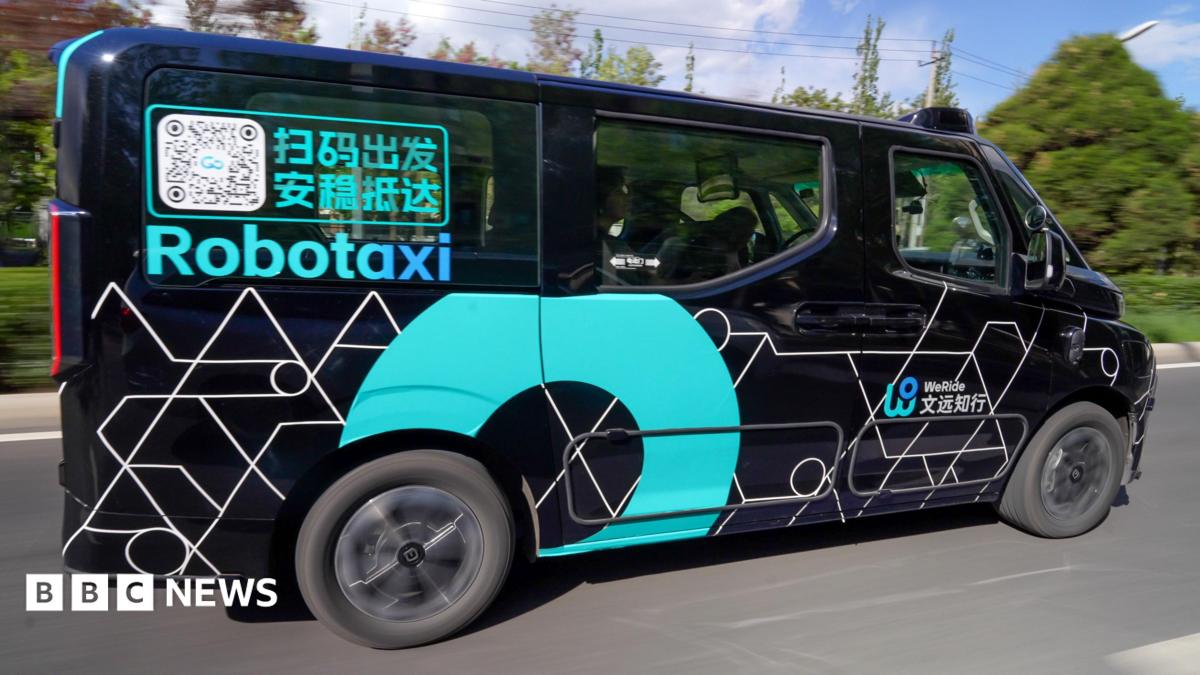
In Beijing's Yizhuang district, driverless vehicles have become a common sight. Robotaxis weave through traffic alongside ordinary cars, while autonomous delivery vans glide along the inside lane as they carry packages to collection points, according to a BBC report. The question now is whether Chinese companies can turn robotaxis into another sector they dominate globally, as they have with electric vehicles (EVs).
The EV Ecosystem Advantage
China's autonomous driving industry benefits from an existing industrial ecosystem that helped make the country the world's largest EV market. Unlike Tesla, which designs much of its technology in-house, China's self-driving industry is built around a network of companies. Established carmakers including BYD, Chery, Geely, and SAIC build the cars, while specialist firms develop the software.
Autonomous vehicles rely on many of the same batteries, sensors, chips, and onboard computers as electric cars. Because those supply chains already exist at enormous scale, companies can develop technology faster and at a lower cost. Kyle Chan, a foreign policy fellow at the Brookings Institution, told the BBC: "What you see is a pace of innovation and adaptation in the Chinese EV industry that I don't think is matched anywhere else around the world. China's EV capacity doesn't just stop there. It actually spills over into other related industries through something that I call these overlapping tech industrial ecosystems."
Complex Driving Conditions as a Training Ground
Government policy has also played a role, with pilot programmes in several cities allowing companies to test technology on some public roads. But China also offers complex driving conditions that generate vast amounts of data to improve autonomous software. A single journey through Beijing can require an autonomous vehicle to deal with buses, scooters, cyclists, pedestrians, and unpredictable traffic.
"The traffic environment here in China is very complex," Maeve Zhang, chief marketing officer at WeRide, told the BBC. That diversity of road users generates valuable data, Zhang noted.
Overseas Challenges: Weather and Infrastructure
Although driving data from China is useful, other challenging conditions abroad could hinder rapid expansion. Zhang highlighted several difficulties: "In the Middle East, the temperature is very high. In South East Asia, there is heavy rain... and in Switzerland, winter temperatures can be very, very low." Extreme temperatures can reduce battery performance, while heavy rain, snow, and fog interfere with the cameras and sensors that autonomous vehicles rely on.
Beyond Robotaxis: Broader Autonomous Ambitions
Robotaxis are only one part of China's autonomous driving ambitions. QCraft is applying its autonomous software to passenger cars, as well as autonomous buses and delivery vehicles. The company says its buses already operate in more than 20 Chinese cities and it is expanding overseas. James Yu, QCraft's chairman and chief executive, told the BBC: "It's very promising on the technology side that maybe the next five, seven, at most 10 years, it will get into everybody's life."
| Factor | Advantage for Chinese Firms | Challenge for Global Expansion |
|---|---|---|
| Supply Chain | Existing EV ecosystem reduces cost and development time | Overseas regulatory and infrastructure differences |
| Data Generation | Complex traffic environments improve software | Overseas conditions (heat, rain, cold) differ from China |
| Government Support | Pilot programmes enable testing | Local regulations abroad may be restrictive |
Competitive Context
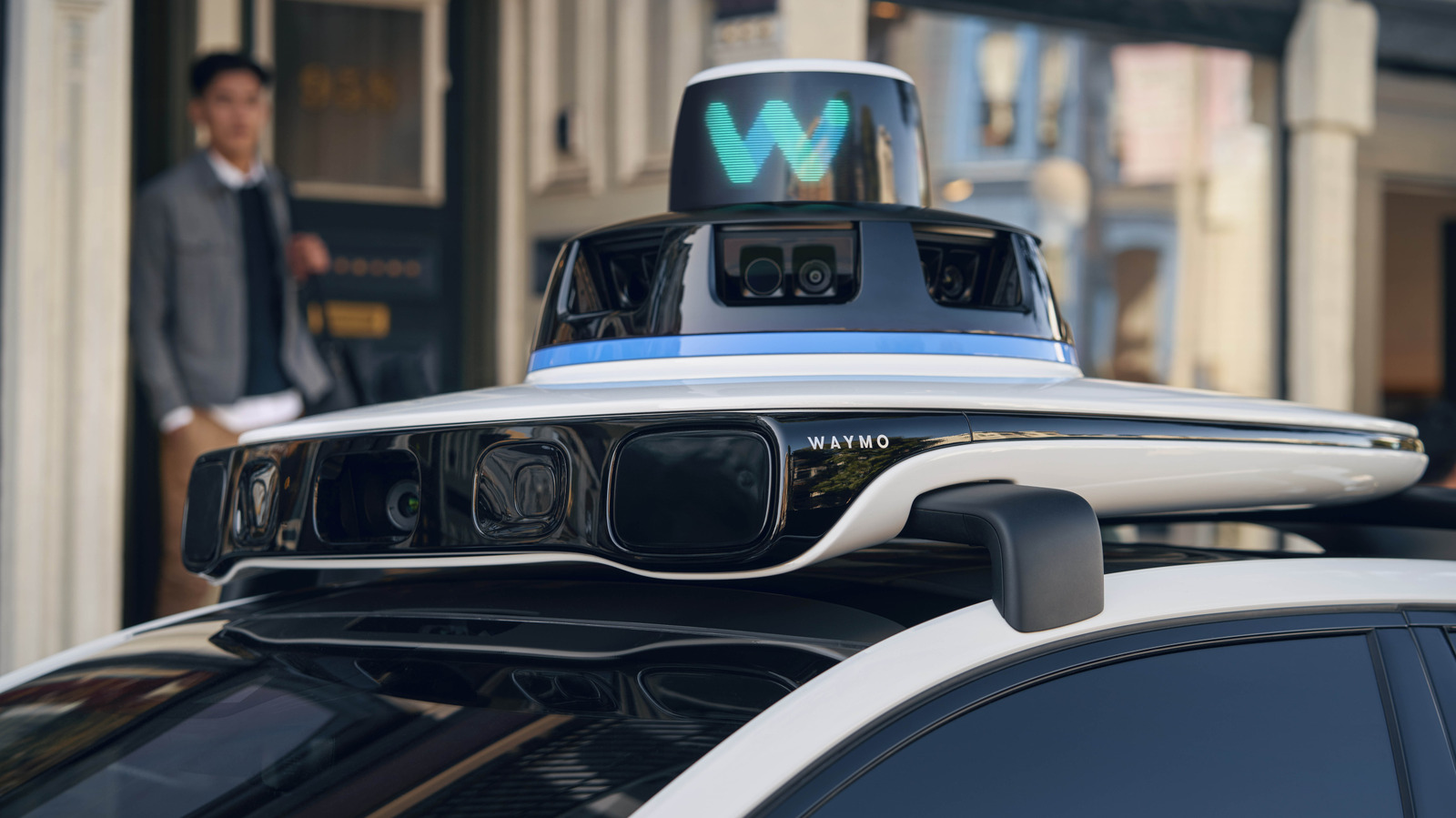
The Chinese robotaxi sector includes Baidu, WeRide, and Pony.ai, all operating commercial services within designated areas in Beijing's Yizhuang district. These companies compete with global players such as Waymo (referenced as "The Waymo benc" in the source, likely truncated). The source did not provide further details on Waymo's operations or direct comparisons.
For enterprise technology decision-makers, the development of China's autonomous driving ecosystem offers lessons in how integrated supply chains and real-world data can accelerate AI deployment. However, the variation in global operating environments means that a one-size-fits-all approach is unlikely. Companies investing in autonomous logistics should monitor how Chinese firms adapt their technology for diverse climates and regulatory landscapes.
Sources: