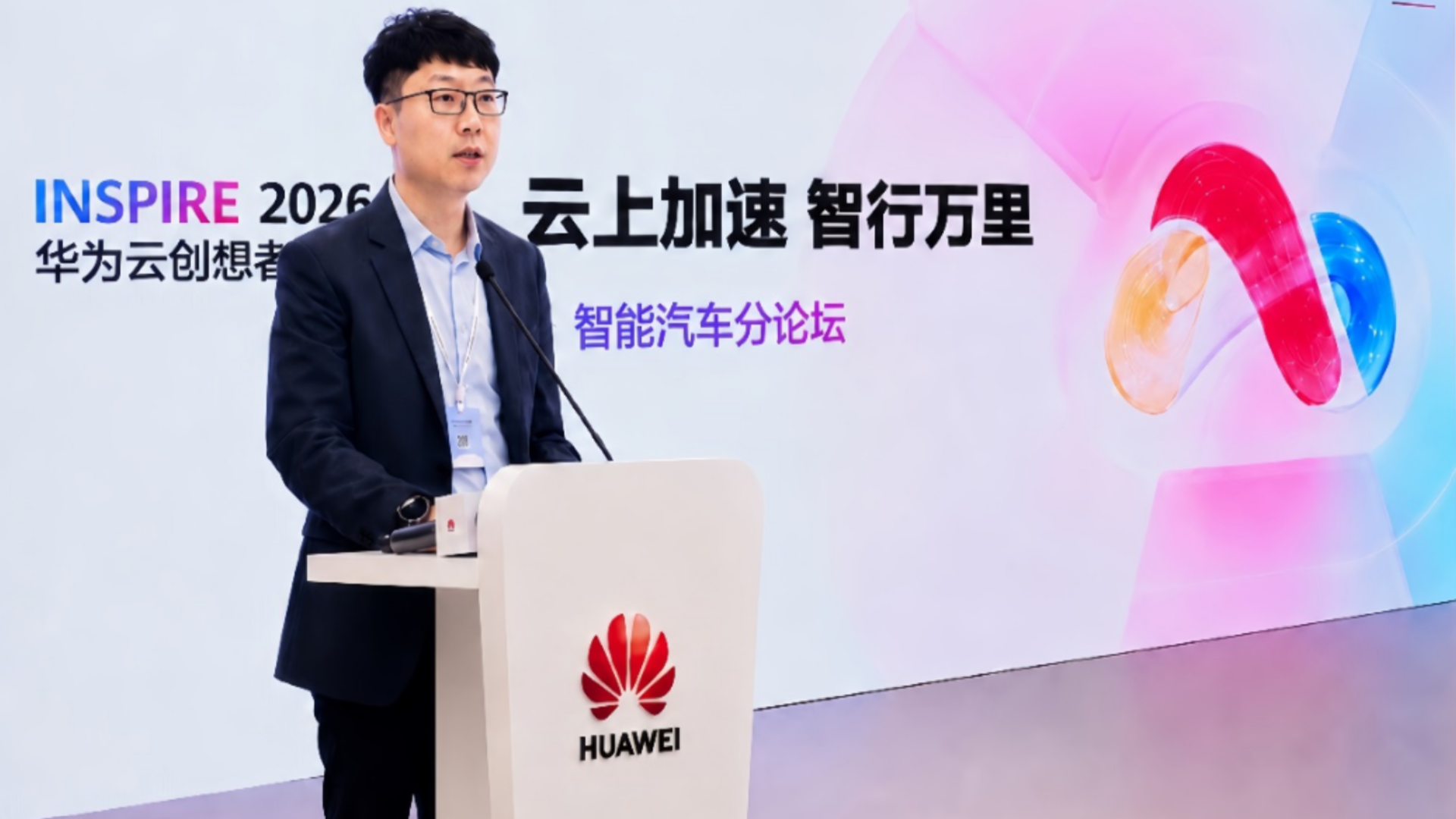
Huawei has made a significant announcement that could reshape the AI chip industry. At the 2026 Huawei Cloud INSPIRE Innovators Conference, Chen Lin, Huawei's Vice President, unveiled the Ascend 950DT chip. This chip, set to be available on Huawei Cloud later this year, promises enhanced vector computing power, wider memory bandwidth, and native support for low-precision formats like FP8.
Annual AI Chip Upgrades
Huawei's commitment to releasing a new chip generation annually, with each iteration doubling in computing power, marks a bold departure from the industry's typical development cycles. This strategy directly challenges Nvidia, which has traditionally set the pace for AI chip advancements. Chen Lin's announcement underscores Huawei's ambition to redefine how progress is measured in AI hardware.
Infrastructure and Partnerships
Huawei's aggressive upgrade cycle is backed by substantial infrastructure. The company operates large-scale computing clusters in Gui'an, Wuhu, and Inner Mongolia, with a global presence spanning 34 regions and 102 availability zones. Over 100,000 Ascend computing units support continuous algorithm iteration, serving more than two million intelligent driving vehicles and 60 million connected vehicles daily. Huawei Cloud has forged partnerships with over 30 automotive OEMs and suppliers, integrating deeply into intelligent driving and manufacturing processes.
From Usable to Easy-to-Use
Beyond hardware, Huawei emphasizes systems engineering capabilities. The Lingqu architecture facilitates high-speed interconnection within supernodes, enhancing training efficiency at scale. The AI DataLake platform produces hundreds of thousands of data clips daily, supporting comprehensive model iteration cycles. This holistic approach transforms Huawei from a mere chip supplier to an embedded infrastructure partner, aiming to make its technology genuinely easy to use.
Implications for the Industry
Huawei's strategy could significantly impact the AI chip market, particularly for companies relying on AI for supply chain and logistics automation. The annual upgrade cycle promises faster, more efficient AI capabilities, potentially reducing operational costs and improving logistics efficiency. As Huawei continues to expand its infrastructure and partnerships, its influence in the global tech landscape is set to grow, challenging established players like Nvidia.
| Feature | Huawei Ascend 950DT | Nvidia Competitor |
|---|---|---|
| Release Cycle | Annual | Varies |
| Computing Power | Doubles Annually | Incremental |
| Infrastructure | 34 Regions, 102 Zones | Global |
Huawei's bold move to accelerate AI chip development could redefine industry standards, offering CTOs and digital transformation leaders new opportunities to enhance their operations.
Sources: