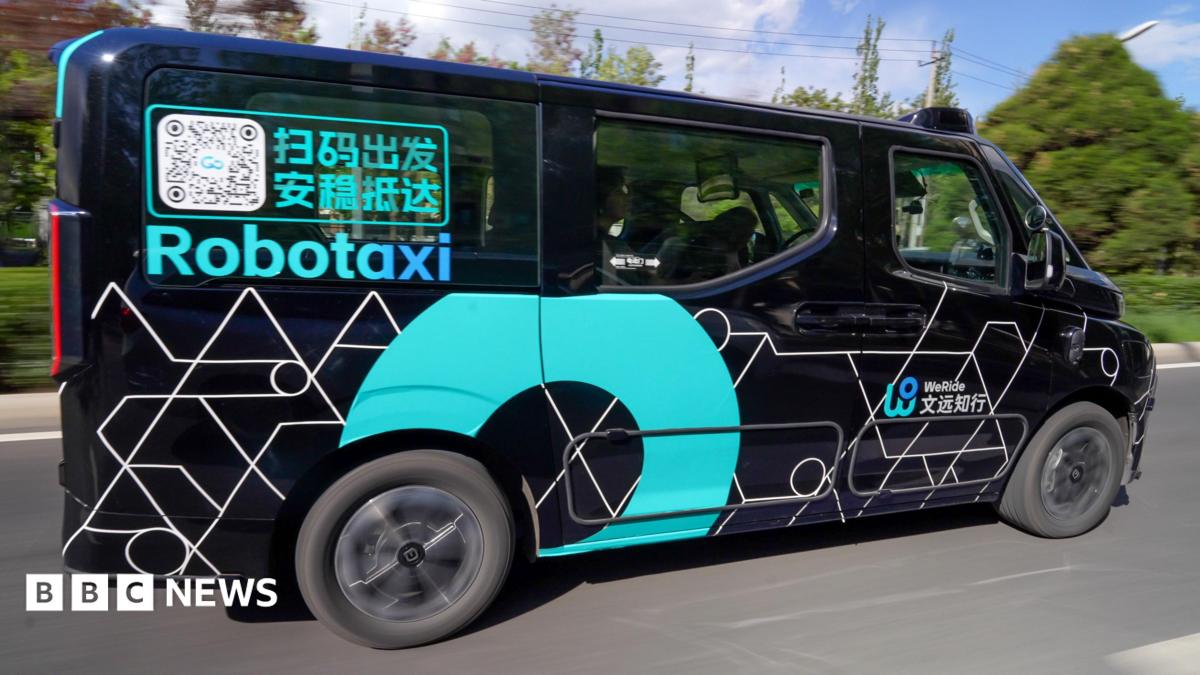
Robotaxi companies have thrived in California, where favorable weather, tech enthusiasm, and a skilled labor force have supported their growth for nearly two decades, according to WIRED. But a delayed decision from a state regulatory agency is now slowing Alphabet's subsidiary Waymo, the US leader in driverless robotaxi service. The holdup means Waymo cannot yet expand into parts of Northern and Southern California—and, in an upside for riders, Waymo still cannot charge California passengers for rides in its new vehicle, a pale blue Chinese-made car called the Ojai, which started picking up riders last month.
Regulatory Pause Creates a Free-Ride Window
Unlike other states that allow robotaxis to launch testing and later public service without much oversight, California requires permission at every stage, WIRED reported. Companies need approval from the California Department of Motor Vehicles to put autonomous vehicles on the road, and separate permission from the California Public Utilities Commission (CPUC) to carry paying passengers. Waymo applied to the CPUC in January to expand its service area and add its Ojai cars to its fleet. In Northern California, the proposed service area would span from Sea Ranch and Sacramento in the north, through Berkeley and Oakland, and into San Jose. In Southern California, it would grow past Los Angeles into Thousand Oaks and Santa Clarita, and down to the Tijuana border past San Diego.
But the process has been caught up in controversy. In May, the CPUC asked for more information about how Waymo responds to emergency incidents—citing December's San Francisco power outage that stranded more than 60 Waymos in traffic—and about how the company ensures unaccompanied minors do not ride (a violation of state law). The questions followed a formal complaint from a labor union representing ride-hail drivers. Now, the CPUC's Consumer Protection and Enforcement Division and Waymo have agreed to an extension through September 25, according to Terrie Prosper, a spokesperson for the agency. Waymo's request is "still under review, and the elements requested for approval have not been authorized," Prosper said.
Waymo's Strategy: Free Rides Until Approval
Waymo continues to charge for rides in its Jaguar I-Pace robotaxis, which make up the majority of its fleet, WIRED noted. But for the Ojai, the company is keeping the fare at $0. In a written statement, Waymo spokesperson Ethan Teicher said the company would not start charging for Ojai rides until the California agency approves its application but noted the agency could approve its proposals sooner than September. Teicher added that Waymo is also waiting to charge for the rides "until we are satisfied with the progress made through our Trusted Tester availability in California and Arizona."
The Ojai Vehicle: Purpose-Built Robotaxi
The Waymo Ojai is the company's first vehicle purpose-built to be a driverless taxi. It still has a steering wheel and brake pedals but also includes advanced sensor arrays:
| Sensor Type | Quantity |
|---|---|
| Cameras | 13 |
| Radar | 6 |
| Lidar | 4 |
The car is manufactured by the Chinese company Zeekr, but Waymo says the vehicle avoids a ban on Chinese-connected automotive tech set to take effect next year because Zeekr only produces the vehicle's shell; its connected systems are built and added in the United States, WIRED reported.
The free rides may continue until the end of September or beyond, providing a rare no-cost trial of autonomous ride-hailing for California passengers. For enterprise technology leaders, the regulatory quirk illustrates how state-level oversight can shape deployment strategies—and pricing—in the autonomous vehicle market.
Sources: