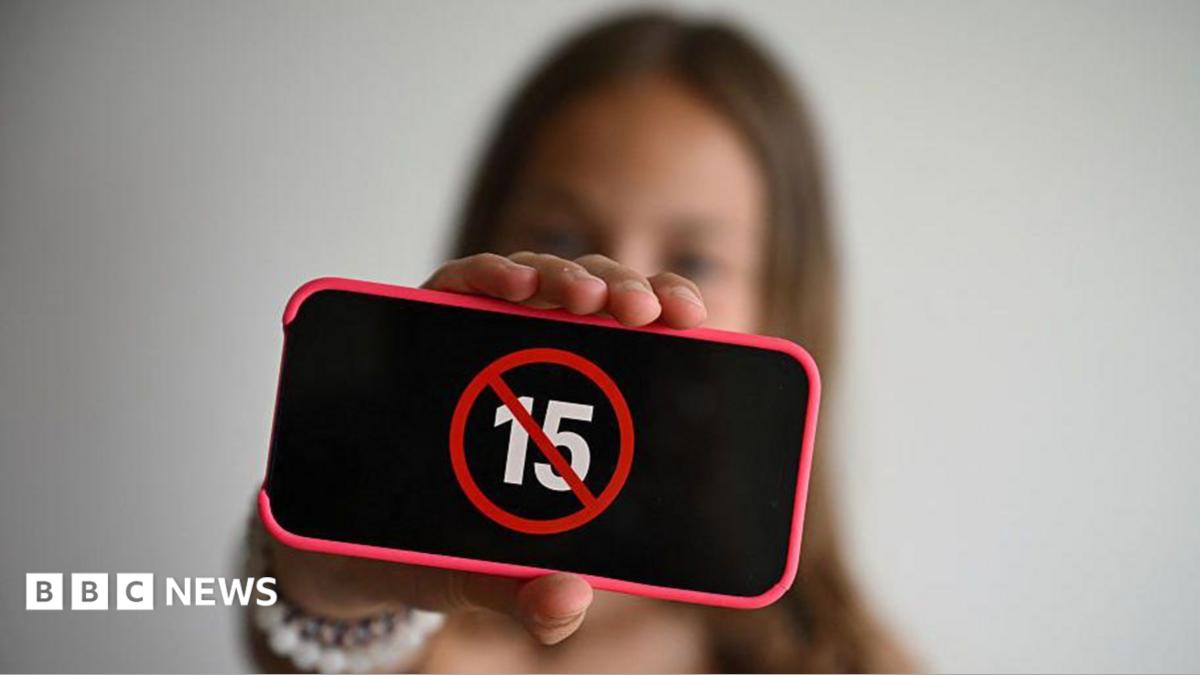
France's parliament has approved a law to ban social media for under-15s from January 2027, becoming the first European country to implement such a restriction, according to the BBC. The law requires all users in France to verify their age to access social media platforms, with age-verification tools approved by the French privacy regulator. President Emmanuel Macron welcomed the move, which he had pledged to introduce as part of his final year in office.
The law will be implemented in two stages:
- From September 2026: People under 15 will not be able to open new accounts, and age verification will be required on all new accounts.
- From January 2027: The rule will apply to all existing accounts, meaning every person in France must prove they are over 15 to use social media.
Age-Verification Technology: Key to Enforcement
The law’s feasibility relies on age-verification tools, which French Digital Minister Anne Le Hénanff defended as already existing and effective, according to Agence France Presse. The tools must be approved by France’s privacy regulator, though Reuters noted concerns over privacy, efficacy, and the risk of young people bypassing them. Professor Tama Leaver of Curtin University in Western Australia told the BBC that France’s requirement for every person to verify their age may increase the ban’s chance of success but also raises privacy risks.
Lessons from Australia’s Ban
France is the second country to introduce a social media age ban, following Australia, which banned under-16s in December. However, Australia’s experience highlights enforcement challenges. In March, the Australian eSafety Commission announced that seven out of 10 children under 16 who had accounts before the ban still had “some access,” according to the BBC. Professor Leaver stated that the Australian ban has “failed” in its technical aims but has shown a ban “can be done,” calling it “a bit of an experiment.” He added that other countries should involve young people in the conversation, so a ban is “done with them” and not “to them.”
| Aspect | Australia Ban | France Ban |
|---|---|---|
| Age limit | Under-16 | Under-15 |
| Effective date | December 2025 (passed) | January 2027 (full) |
| Enforcement approach | No national age verification for all | Requires age verification for all users |
| Reported compliance | 70% of under-16s still had access (March) | Not yet implemented |
Additional risks cited by Leaver include pushing young people into less-regulated online spaces, reducing news consumption, and limiting political empowerment.
European Momentum for Social Media Restrictions
Legislation restricting young people’s access to social media has been ramping up across Europe. In June, former British Prime Minister Sir Keir Starmer announced that under-16s in the UK will be banned from social media from January 2027, along with an optional midnight curfew for teens aged 16 and 17. In May, European Commission President Ursula von der Leyen proposed a “social media delay” for children and indicated that new legislation could be put forward within months, as reported by the BBC.
For enterprise technology leaders, the French law signals a growing regulatory push that will require social media platforms, and potentially other digital services, to invest in robust age-verification technologies. The mandate for approved tools by a national privacy regulator may set a precedent for compliance standards across Europe. Privacy, data security, and user experience will be critical factors as companies develop and deploy these solutions. The BBC noted that both the French Senate and National Assembly adopted the ban on Tuesday, despite criticism from some on the left.
Sources: