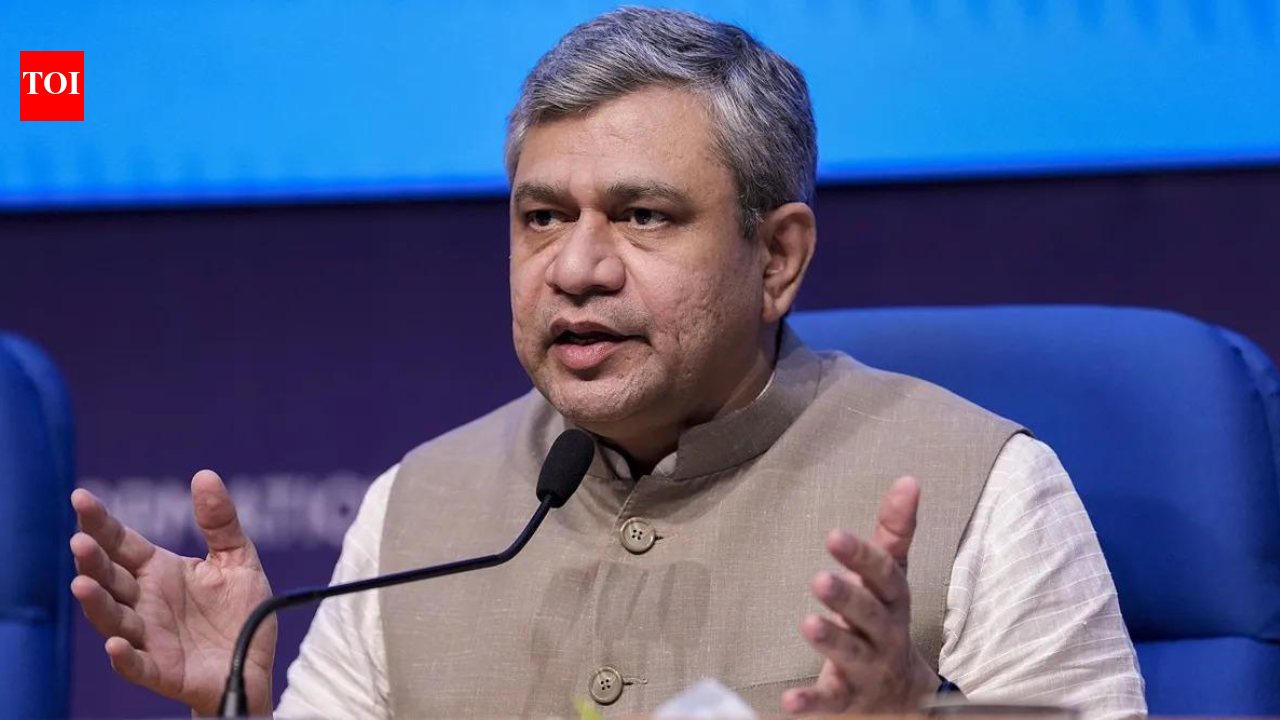
The Indian government has escalated action against Meta Platforms over advertisements on Instagram that reportedly promoted child sexual abuse material (CSAM) in India. According to sources, Minister of Electronics and Information Technology Ahswini Vaishnaw directed officials in the Ministry of Electronics and Information Technology (MeitY) to summon Meta to explain the issue. The development follows a BBC Eye investigation that discovered paid Instagram adverts using terms such as "rape video" and "child video" to direct users to Telegram channels where the material could be purchased for as little as ₹99 (approximately $1.20).
Government Summons and Meta's Response
Sources in the know told the media that MeitY will seek a formal explanation from Meta regarding the adverts. Instagram ads are vetted by Meta's moderation technology before publication, raising questions about the effectiveness of automated content filters. The BBC report noted that Meta had already disabled several adverts and suspended the accounts posting them. Meta added that it had removed additional ads, disabled more accounts, and blocked URLs for other policy-violating content.
Telegram's Role and Previous Actions
The BBC investigation found that the Instagram ads linked to channels on the messaging app Telegram, where users could buy CSAM. Telegram informed the BBC that it had removed more than 2.74 lakh (274,000) groups and channels related to child sexual abuse material in 2026. This is not Telegram's first brush with Indian authorities: the platform was recently banned for a week during the NEET-UG exams, reportedly because it allowed users to edit content retrospectively, a feature that could be exploited to manipulate records and facilitate scams. Senior government officials also stated that Telegram was involved in CSAM, drug trafficking, fake investment advisories, and "digital arrest" scams.
Second Government Action Against Meta This Week
This summons is the second instance this week where the Centre has turned up the heat on Meta. Sources said a Meta team met MeitY officials on Friday after receiving a notice regarding the rollout of the "usernames" feature on WhatsApp in India. The ministry officials sensitized the company about the government's concerns relating to the feature. The timeline for furnishing a detailed explanation on the usernames feature is three days, with a final reply expected accordingly.
Key Facts at a Glance
| Aspect | Detail |
|---|---|
| Investigation | BBC Eye investigation found Instagram ads promoting CSAM |
| Ad keywords | "Rape video", "child video" |
| Price for CSAM | As low as ₹99 |
| Meta's action | Disabled adverts, suspended accounts, blocked URLs |
| Telegram removals | Over 2.74 lakh groups/channels removed in 2026 |
| Previous Telegram ban | Banned for one week during NEET-UG exams |
| Second Meta issue | WhatsApp "usernames" feature — MeitY sought explanation |
Implications for Enterprise Technology Leaders
For CTOs and digital officers, this episode underscores the regulatory risks associated with automated content moderation systems. The fact that Instagram's advertising approval process failed to catch explicit CSAM-promoting adverts highlights vulnerabilities in AI-based filters, particularly when malicious actors use obfuscated language or link to external platforms. Enterprises relying on Meta's advertising ecosystem for B2B marketing should monitor how these incidents affect ad review pipelines and platform trust. Additionally, the coordinated government action—spanning both Instagram and WhatsApp—signals that Indian regulators are taking a more assertive stance on platform accountability, which could lead to stricter compliance requirements for all technology firms operating in the country.
Sources: