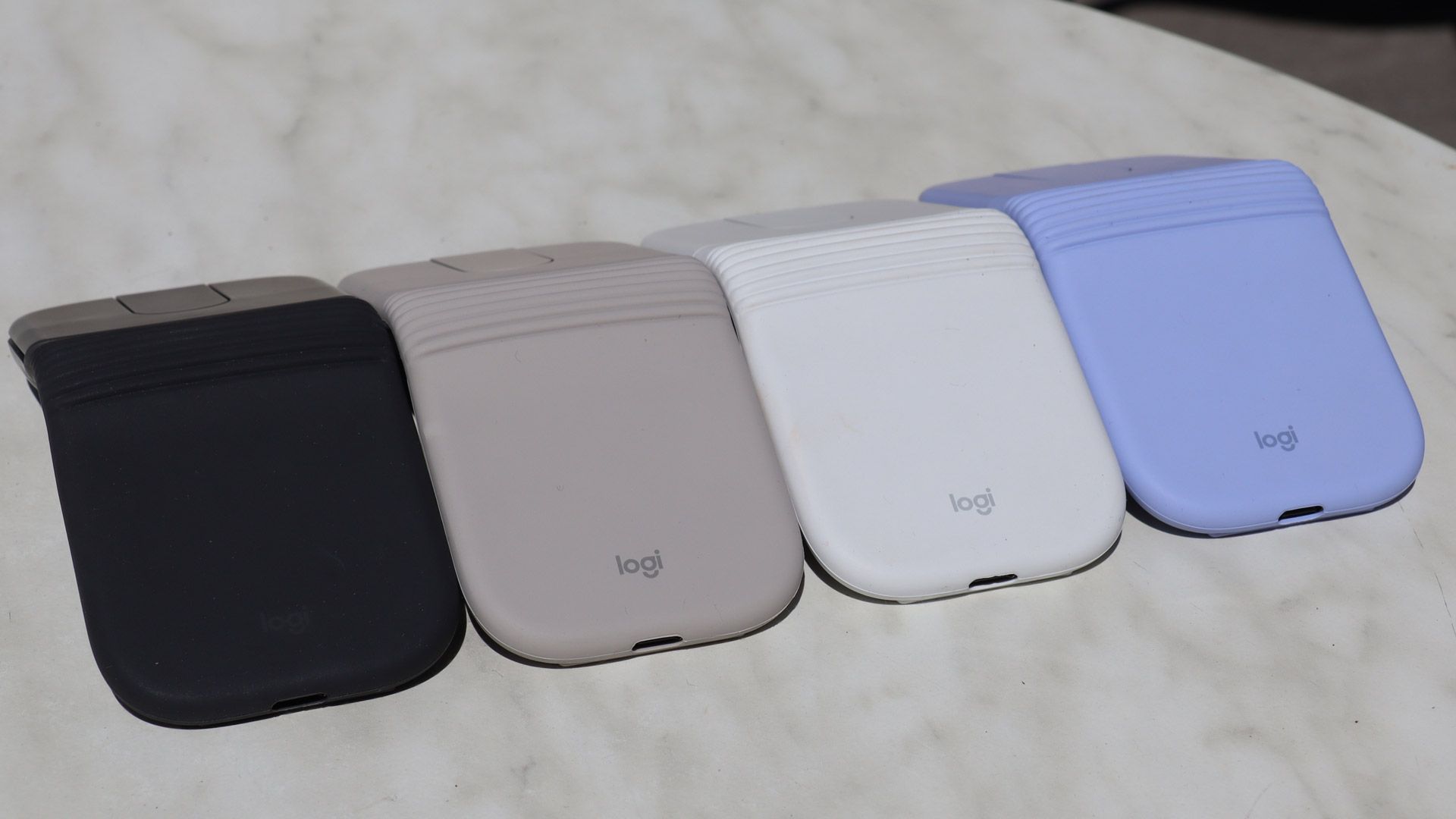
The opaque chip supply chain has long forced technology buyers to trust that manufactured silicon matches published designs. According to WIRED, this year's Defcon badges take a different tack: instead of the badge design being the star, it's what is inside the hardware that stands out. The badge contains a mostly open source microcontroller — Baochip-1x — whose internal circuitry can be physically inspected, and whose core module can be removed and used after the conference as a hardware security token, giving the badge a second life beyond Defcon.
The Trust Problem in the Silicon Supply Chain
Computer chips are traditionally black-box components with an opaque casing that obscures their circuitry, WIRED reported. Even previous open source chips that made their specifications and code available to users were encased in impermeable plastic, creating a supply-chain problem: users had to trust that nothing changed during the manufacturing stage, such as a backdoor component being added to the chip.
The Baochip-1x aims to eliminate that blind trust. Unlike conventional chips, the Baochip is packaged so that infrared light can be shone through the back of the silicon, allowing the chip's internal structures to be visually inspected. Huang plans to demonstrate the technique at the conference, letting attendees inspect the chip under infrared light. This lets researchers peer inside and compare the physical silicon against the published design, rather than trusting that the manufactured chip is what the designers intended.
Baochip-1x: Open Source Down to the Transistor
This year, Defcon asked hardware hacker Andrew "bunnie" Huang to create the badges — revealed in WIRED for the first time. The Baochip-1x is a "mostly" open source microcontroller that has been three years in the making and fulfills Huang's years-long dream of making a chip whose security is verifiable. Huang has published the source code for the chip's operating system, firmware, processor core, cryptographic engines, and input-output system on GitHub, making these components available for inspection and use.
Huang described his mission to WIRED: "I've been doing a bunch of stuff along the lines of trust and silicon and verification transparency." He added that he has been trying "to get a chip that we can trust down to the very core, down to the transistor," where "you can actually … see the RAM arrays … on the chip."
| Chip type | Packaging | Inspection | Supply-chain trust model |
|---|---|---|---|
| Traditional chips | Opaque plastic | Not visually inspectable | Blind trust in manufacturer |
| Previous open source chips | Impermeable plastic | Specs public, silicon hidden | Trust that nothing changed during manufacturing |
| Baochip-1x | Infrared-transmissive | Visible via infrared light | Compare physical silicon to published design |
Sharing a Wafer: The Crossbar Manufacturing Model
Building a new chip is an expensive project that can cost millions of dollars for fabrication, WIRED reported. But about three years ago, a company called Crossbar reached out to Huang. Crossbar wanted to create a new open source and secure chip but didn't know how to go about it. Huang agreed to assist on one condition: that they let him piggyback on their manufacturing run by placing his CPU on their chip wafer, allowing both designs to share the same manufacturing run rather than requiring Huang to fund a separate one.
"They look at it as, if they put me on the chip, they get two products for the price of one," Huang said. He added that this kind of piggybacking is not unusual, though the industry doesn't like to discuss it publicly.
The result is a Crossbar chip that includes both Crossbar's microprocessor and Huang's. The Baochip is essentially the same chip but with the Crossbar microprocessor disabled, since Huang doesn't have the rights to distribute it. The Crossbar version uses a proprietary ARM core, whereas Huang's version uses a RISC-V core whose implementation is open source.
What Enterprise Hardware Buyers Can Take Away
For CTOs and procurement leaders, the practical significance is verifiability: a chip's physical implementation can be checked against its published design, reducing reliance on opaque trust in chip fabrication. The badge's removable core module also stretches the device's life beyond the conference, serving as a hardware security token. The shared-wafer model with Crossbar demonstrates one way to reduce the multimillion-dollar cost of chip fabrication while keeping intellectual property separate — an approach Huang says the industry rarely discusses openly but is not unusual. As Huang's work illustrates, the ability to verify a chip down to the transistor is no longer a theoretical goal, but a demonstrated capability conference-goers can inspect firsthand.
Sources: