iGEN
Visit IGEN World Explore IGEN Expo
EXPLORE UPGRADE PLANS
BREAKING
Indian Trading Apps Groww, Zerodha, Angel One, Upstox Get GIFT City Licences for US Stock Investing Norway backs new generation of hydrogen-fuelled bulkers with $36m Enova grant India's MFI Portfolio Contracts 17% in FY24 but Shows Stabilization Signs in Q4 Eastern Pacific exits chemical tanker sector as fleet shifts to Ace and Womar Telegram Blocked in India for NEET Exam, But Remains Accessible via VPN FTAs, Agri-Start-ups and FPOs to Drive Next Phase of Farm Export Growth: APEDA Chief India's mango exports reach 45 countries; US shipments likely to grow over 30% this season: APEDA MSC denies report of Hapag-Lloyd acquisition talks; carrier says claim 'not true or correct' Tin Prices Poised to Rule Elevated in 2026 on Semiconductor Demand and Supply Disruptions India must boost oilseed yields to cut edible oil imports, SEA chief says Indian Trading Apps Groww, Zerodha, Angel One, Upstox Get GIFT City Licences for US Stock Investing Norway backs new generation of hydrogen-fuelled bulkers with $36m Enova grant India's MFI Portfolio Contracts 17% in FY24 but Shows Stabilization Signs in Q4 Eastern Pacific exits chemical tanker sector as fleet shifts to Ace and Womar Telegram Blocked in India for NEET Exam, But Remains Accessible via VPN FTAs, Agri-Start-ups and FPOs to Drive Next Phase of Farm Export Growth: APEDA Chief India's mango exports reach 45 countries; US shipments likely to grow over 30% this season: APEDA MSC denies report of Hapag-Lloyd acquisition talks; carrier says claim 'not true or correct' Tin Prices Poised to Rule Elevated in 2026 on Semiconductor Demand and Supply Disruptions India must boost oilseed yields to cut edible oil imports, SEA chief says
Home ›› Technology ›› Hardware ›› India de-licences radio spectrum for automotive radar and V2X to boost collision-avoidance systems

India de-licences radio spectrum for automotive radar and V2X to boost collision-avoidance systems

The Indian government has de-licenced the 77-81 GHz and 5.9 GHz radio spectrum bands for automotive radar and vehicle-to-everything (V2X) communications, according to the Department of Telecommunications. The move paves the way for wider deployment of collision-avoidance systems like automatic emergency braking and adaptive cruise control, aligning India with US and EU regulatory frameworks. It comes as India's road deaths reached a record 1.8 lakh in 2024.

iG
iGEN Editorial
June 15, 2026
India de-licences radio spectrum for automotive radar and V2X to boost collision-avoidance systems

The Indian government has de-licenced radio spectrum used for automotive radar and vehicle-to-everything (V2X) communications, paving the way for wider deployment of advanced road-safety technologies and collision-avoidance systems, according to a Department of Telecommunications (DoT) notification reported by The Times of India on June 12, 2026.

Spectrum Bands De-licenced

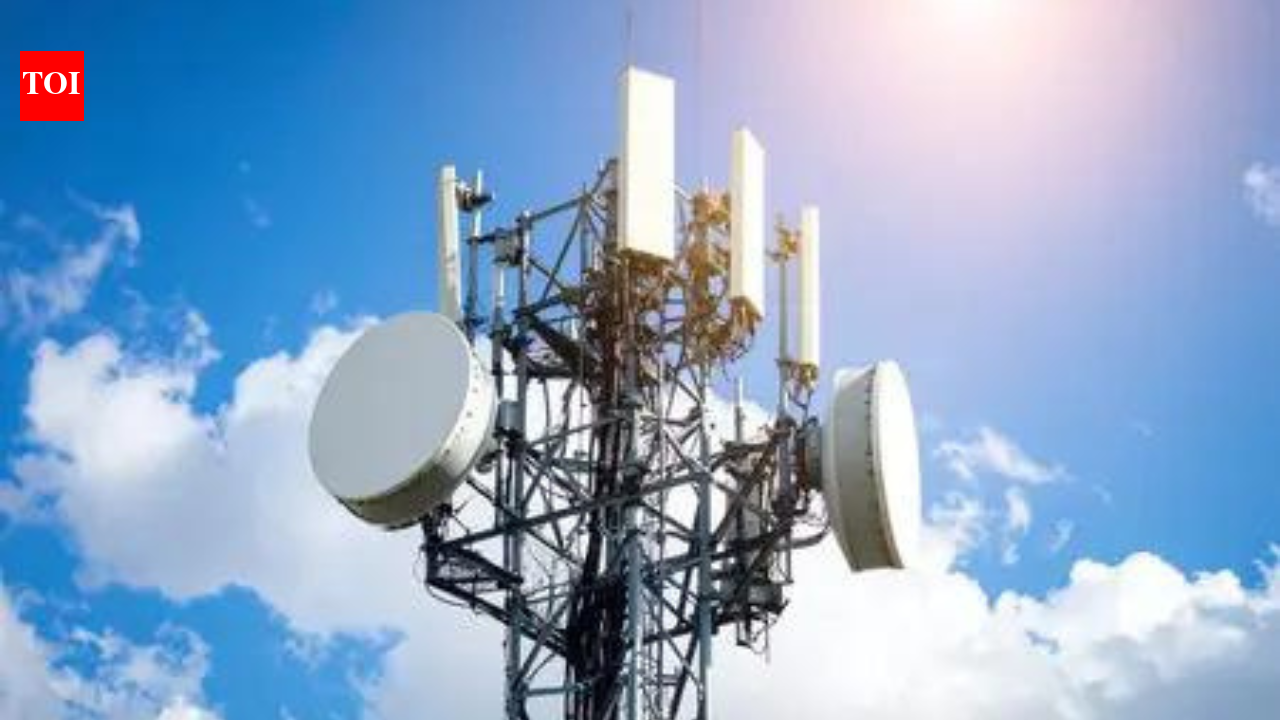
The DoT has issued two notifications de-licencing the 77-81 GHz band for automotive radar systems and the 5.9 GHz band for V2X communications, the report said. The 77-81 GHz band powers radar sensors used in advanced driver assistance systems (ADAS), including automatic emergency braking, adaptive cruise control, blind-spot detection, collision warnings and automated parking. These sensors use radio waves to detect the distance, speed and position of nearby objects.

The 5.9 GHz band will support V2X technologies that enable vehicles to exchange real-time information with other vehicles and roadside infrastructure, helping warn drivers about hazards beyond their line of sight – such as sudden braking ahead, blind-curve traffic, foggy conditions or approaching emergency vehicles.

Band Frequency Range Primary Use
77-81 GHz 77–81 GHz Automotive radar for ADAS (automatic emergency braking, adaptive cruise control, etc.)
5.9 GHz 5.875–5.925 GHz (as per Supreme Court Committee directive) Vehicle-to-everything (V2X) communications (vehicle-to-vehicle and vehicle-to-infrastructure)

Aligning with Global Standards

The de-licencing aligns India with regulatory frameworks in the United States and the European Union, enabling automakers to deploy globally standardised hardware instead of developing country-specific versions. The Times of India reported that this change is expected to reduce costs and speed up the rollout of safety technologies by manufacturers. For an industry that has struggled with fragmented regulatory environments, the move simplifies supply chains and certification processes for radar and V2X modules.

Road Safety Context

The decision assumes significance as India continues to struggle to reduce road deaths, which was the highest-ever at around 1.8 lakh in 2024, according to government data cited in the report. The Supreme Court Committee on Road Safety had directed the telecom department to de-licence the 5.875–5.925 GHz band, as first reported by The Times of India on April 27. The committee's directive underscores the urgency of deploying life-saving technologies that can mitigate the human and economic toll of road accidents.

Implications for Trade and Automotive Supply Chains

For international trade executives and logistics operators, the spectrum de-licencing has direct downstream effects. Automakers and tier-1 suppliers can now import or locally produce radar sensors and V2X modules that comply with a single global standard, eliminating the need for India-specific variants. This harmonisation is likely to attract foreign investment in local assembly and testing facilities for ADAS components, and reduce import costs for finished safety systems. Freight forwarders handling automotive electronics may see increased volumes of standardised components rather than customised parts.

Customs and regulatory professionals should note that the de-licencing removes a key non-tariff barrier – spectrum licensing – that previously delayed the introduction of advanced safety features in vehicles sold in India. The effective date of the notifications is the date of issuance (June 2026), and enforcement is through spectrum management by the DoT. No additional licensing fees or applications are required for using these bands for the specified automotive applications.

What to Watch

The next key milestone is the adoption of V2X communications by state road infrastructure agencies and the integration of 5.9 GHz band devices into new vehicle models. Automakers are likely to announce rollout timelines for V2X-enabled vehicles in India, and customs authorities may update tariff classifications for radar and V2X equipment to reflect the standardised global parts codes.


Sources: Business-Today
Keep Reading

Recommended Stories

Rajasthan and Wadhwani AI Partner to Enhance Agriculture with AI Technology

Rajasthan and Wadhwani AI Partner to Enhance Agriculture with AI

The Rajasthan government has partnered with Wadhwani AI to deploy AI-driven solutions in the state's agriculture sector. This collaboration aims to improve farmer advisories, enhance data visibility, and strengthen agricultural delivery mechanisms.

May 31, 2026
India’s Fiscal Policy Shifts to Long-Term Resilience Amid Global Uncertainty, S&P Global Says Business

India’s Fiscal Policy Shifts to Long-Term Resilience Amid Global Uncertainty, S&P Global Says

India's fiscal policy is transitioning from providing immediate economic buffers to building long-term strategic resilience, according to a report by S&P Global. The shift aims to support domestic growth and strengthen economic resilience amid rising global uncertainties triggered by the ongoing West Asia conflict. Policy measures include fiscal adjustments, industrial policy changes, and energy source diversification.

June 16, 2026
India Restricts Seafarer Deployment to Conflict Zones After Fatal Attack Off Oman Coast Logistics

India Restricts Seafarer Deployment to Conflict Zones After Fatal Attack Off Oman Coast

The Indian Directorate General of Shipping has advised maritime recruitment agencies to restrict deployment of Indian seafarers to conflict zones until further orders, following a US military strike that killed three Indian crew members off the Oman coast. The advisory also mandates heightened security vigilance for vessels in the Gulf region, including the Strait of Hormuz.

June 14, 2026
Indian Cotton Prices Drop as Import Duty Suspended Trade

Indian Cotton Prices Drop as Import Duty Suspended

India suspends import duty on cotton from June 1 to October 31, easing domestic prices and benefiting the textile industry. The Cotton Corporation of India adjusts prices amid increased import options.

June 2, 2026