The RAM crisis is driving unusual market moves: old Nvidia graphics cards are being brought back from retirement, while one of the world's largest memory chip makers is dramatically accelerating its long-term production plans. According to TechRadar, these parallel developments highlight both the current supply strain and the industry's bet on future demand.
Resurrected GPUs from Manli
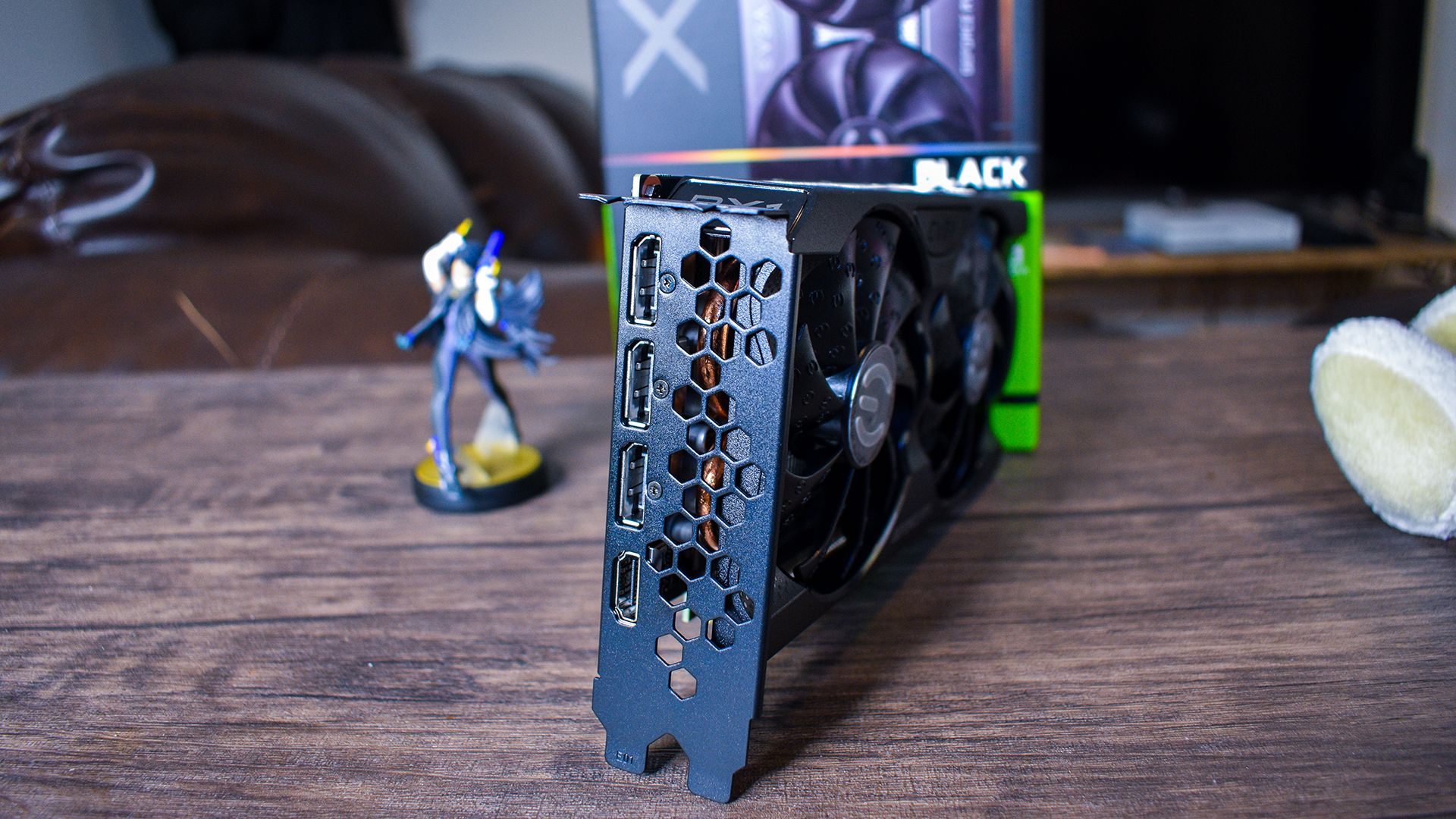
VideoCardz spotted the return of two Nvidia Ampere-generation GPUs — the RTX 3060 and RTX 3050 — brought back by Manli, a graphics card maker that primarily serves the Asian market. The Manli RTX 3060 is a 12GB model, while the RTX 3050 comes with 6GB of VRAM and a 70W power envelope that allows it to run solely off the PCIe slot without a direct power supply connection, according to TechRadar.
These GPUs, originally launched in 2020, are being revived as budget-friendly alternatives at a time when current-gen GPU availability is becoming more problematic and prices are rising. TechRadar reported that at the higher end for Nvidia GPUs, price inflation has been "getting quite nasty this year, and the fear is that it'll only worsen." The RTX 3060 12GB was a popular offering for gamers who were dissatisfied with newer Nvidia budget cards that offered only 8GB of VRAM. Importantly, the resurrected cards use GDDR6 VRAM, not the GDDR7 found in current-gen Blackwell GPUs, meaning their production does not compete for scarce GDDR7 resources, according to TechRadar.
While currently limited to Asia, TechRadar suggests the practice could spread to other regions, noting previous rumors about an RTX 3060 12GB comeback. The scope of this apparent revitalization remains uncertain — "time will tell," the article states.
SK Hynix's Accelerated Production Plan
On the memory supply front, SK Hynix — one of the three major DRAM and NAND flash memory producers — has outlined ambitious expansion targets. Chey Tae-won, chairman of SK Group, gave an interview to Nikkei Asia (reported via ComputerBase and spotted by TweakTown) explaining the company's strategy.
Since we're proceeding with the plan to expand as much as possible, our calculations show that our wafer capacity will double within five years. But honestly, once all these facilities are built, it won't just double, it will triple by around 2034.
According to TechRadar, this means SK Hynix will double its manufacturing capacity by 2031 and triple it by around 2034 — reducing what was previously a 20-year timeline to eight years. TechRadar described this as "a notable acceleration" and a measure of the memory demand SK Hynix expects, driven by the ongoing AI boom.
| Metric | Previous Timeline | Current Plan |
|---|---|---|
| Double wafer capacity | ~10 years | ~5 years (by 2031) |
| Triple wafer capacity | ~20 years | ~8 years (by ~2034) |
TechRadar noted that this is a best-case scenario and that expectations "could always slide." Nevertheless, it signals that SK Hynix is "putting its foot down on the RAM production pedal in a big way."
Implications for the Memory Market
For enterprise technology buyers, the SK Hynix plan suggests a more stable long-term memory supply, which could influence server and AI infrastructure costs. The AI boom, which is "set to continue and gobble up even more RAM in the foreseeable future," according to TechRadar, underpins this expansion. If SK Hynix succeeds, memory shortages may ease, but near-term constraints are evident in the resurrection of old GPUs. Technology leaders should monitor both trends: the immediate pressure on GPU availability and the longer-term capacity buildout.
Sources: