Social media companies including Meta, Google, Snapchat, TikTok, Discord, and Roblox are fighting thousands of US lawsuits that could force fundamental changes to how their platforms operate—changes with direct implications for global digital trade, cross-border data flows, and e-commerce compliance. According to the BBC, the outcomes of these cases, whether settled or decided by juries, "could change the way social platforms operate forever."
Law professor Eric Talley of Columbia Law School told the BBC that the lawsuits are creating a stage "that not only legal observers are watching, but regulators and lawmakers are watching closely as well." He noted that public perception from these cases could influence elections and spur new laws. Most cases are in California, where a "California effect" often leads to nationwide changes, according to the BBC.
The Four Bellwether Cases
The BBC identified four lawsuits on track for trial in the next year that could set precedents. Adam J. Schwartz, a lawyer who founded an online document review tool, called them "bellwether cases that will set the tone and tenor for shaping the law in the future."
Social Media Adolescent Addiction MDL
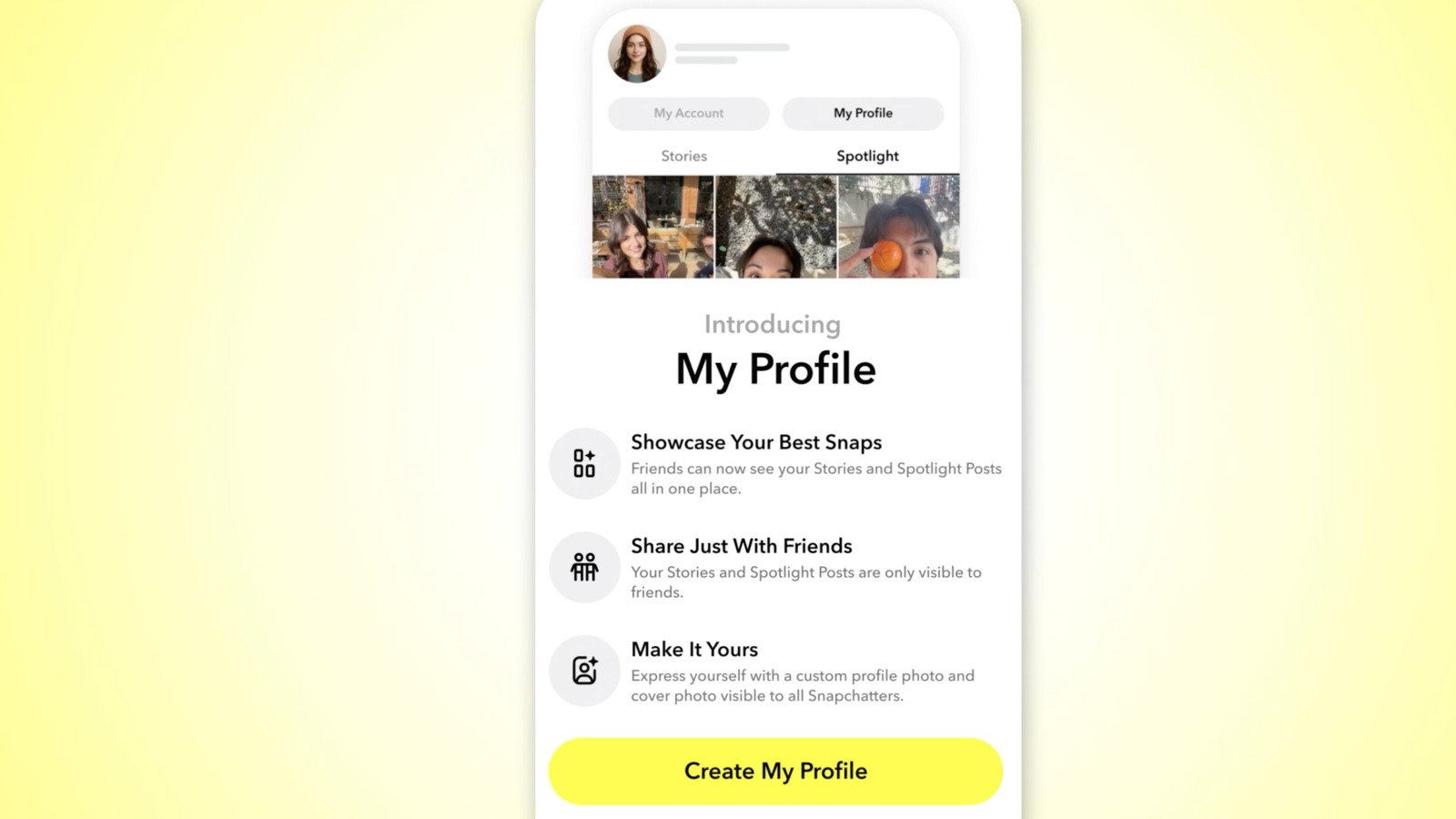
This multidistrict litigation consolidates claims from school districts against YouTube, Instagram, Snapchat, and TikTok. The schools accuse the platforms of being intentionally designed to be addictive, harming children mentally and emotionally, and costing schools money and resources. A jury trial for some claims is set for February 2025, though the platforms recently settled with one school district. A YouTube spokesman told the BBC: "The allegations in these complaints are simply not true." Snapchat said: "We fundamentally disagree with the allegations." Meta declined to comment; TikTok did not respond.
People of the State of California v. Meta
California accuses Meta alone of violating the Children's Online Privacy Protection Act (COPPA), a 2000 federal law protecting children under 13. The state demands Meta better prevent under-13 users and remove data already collected from them—data used for ad targeting and AI training. Meta has provided over 2 million documents, according to court records. The company declined to comment.
John Doe, a minor v. Roblox et al
A 13-year-old boy in San Mateo, California, claims he was groomed and solicited on Roblox and Discord by an adult sexual predator later arrested for crimes against over two dozen children. The lawsuit argues the platforms were defectively designed and falsely marketed as safe. Roblox and Discord tried to force arbitration, but the court refused; the case is on hold pending their appeal. If they lose, a trial could occur later this year, potentially forcing changes to age-gating and stranger interactions.
Forrest v. Meta
Australian billionaire Dr Andrew Forrest sued Meta in 2022 over scam ads using his likeness that tricked Australians into fake investments. He claims misuse of his image and unjust enrichment, arguing Section 230 of the Communications Decency Act should not protect Meta from liability. The case is significant because it challenges a key legal shield for platforms.
Implications for International Trade
For trade executives, these cases signal tightening regulations on platforms that many companies rely on for marketing, customer engagement, and cross-border e-commerce. If courts order platforms to restrict data collection or limit underage access, advertising effectiveness may decline. Changes to age verification and content moderation could affect how goods and services are promoted internationally. Furthermore, rulings that erode Section 230 could make platforms more liable for third-party content, increasing compliance risks for businesses using social media for trade.
Eric Talley noted that the wave of lawsuits is "feeding into broader public perception" and will likely impact elections and laws, suggesting a shift toward stricter digital regulation that could harmonize with emerging privacy frameworks in the EU, Asia, and Latin America.
Case Comparison Table
| Case | Plaintiffs | Defendants | Key Issue | Trial Status |
|---|---|---|---|---|
| Social Media Adolescent Addiction MDL | School districts | YouTube, Instagram, Snapchat, TikTok | Addictive design harming children | Jury trial set for February 2025; recent settlement with one district |
| People of the State of California v. Meta | California | Meta (Facebook, Instagram) | COPPA violations, underage data collection | Ongoing; 2M+ documents produced |
| John Doe, a minor v. Roblox et al | Minor (13-year-old boy) | Roblox, Discord | Defective design, sexual solicitation | On hold pending appeal; possible trial late 2025 |
| Forrest v. Meta | Dr Andrew Forrest (Australia) | Meta | Scam ads, misuse of image, Section 230 | Active; challenging liability shield |
What to Watch
Trial dates for the Adolescent Addiction MDL (February 2025) and the Roblox/Discord appeal decision later this year will be key milestones. If courts rule against platforms, expect swift compliance changes that affect how international businesses use social media for advertising, customer data collection, and cross-border engagement.
Sources: