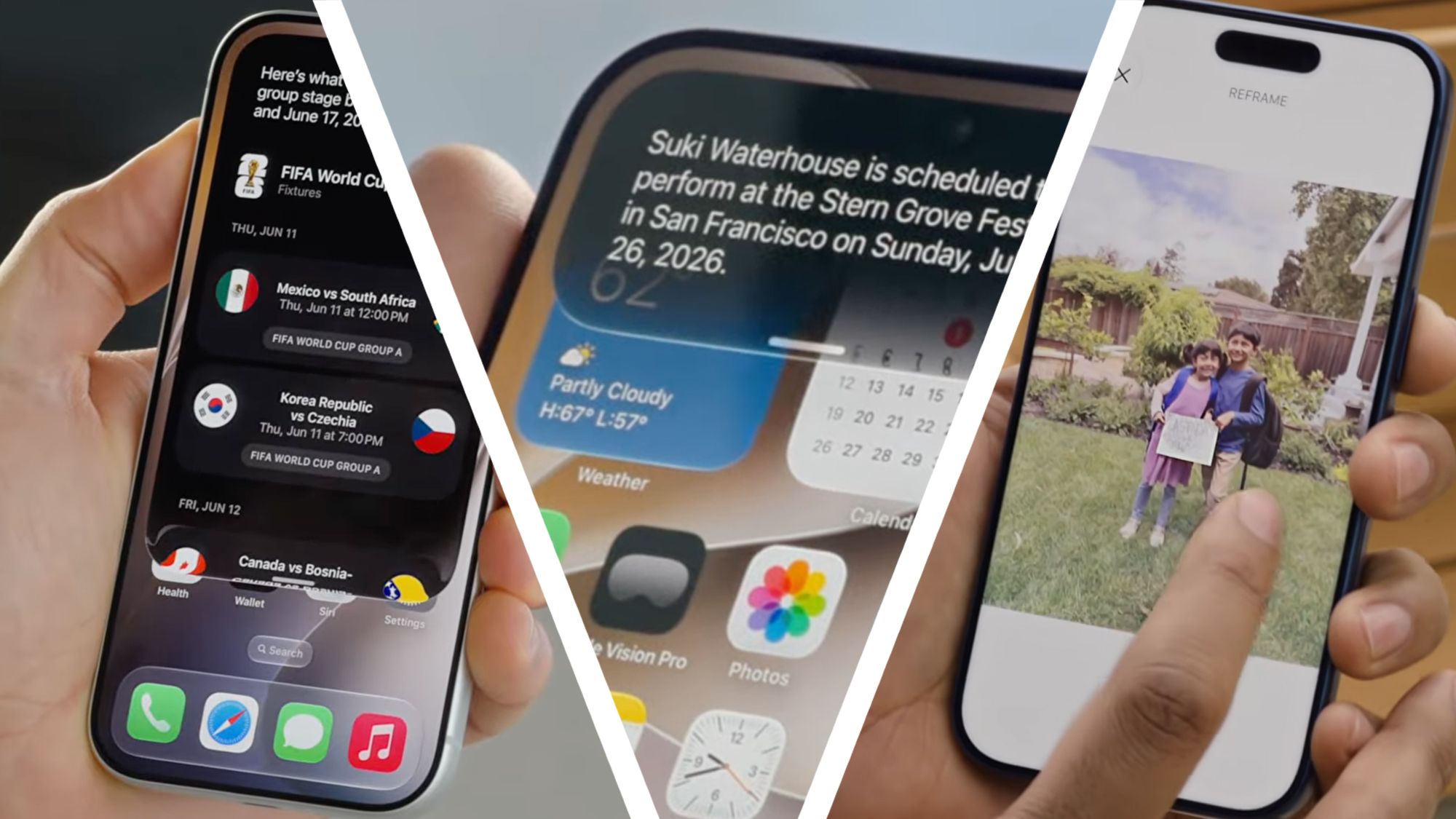
Apple has made child safety a headline feature of its upcoming iOS 27 update, spending an unusual 10 minutes of its Worldwide Developers Conference (WWDC) keynote in June on the topic. According to WIRED, the new features—slated for release later this fall—include expanded Communication Safety, which automatically blocks images and videos containing nudity, violent content, or gore for users under 18. Apple also introduced a new function for reporting such material across its platforms.
The Advocacy Behind the Changes
The announcement surprised Sarah Gardner, founder and CEO of the nonprofit Heat Initiative, which advocates for child safety in Big Tech. Gardner, who has spent 15 years in online trust and safety, was tied to a tree outside Apple Park in Cupertino, California, during the keynote—her fifth protest at the campus. “Overall, it was a huge win that they spent 10 minutes of the keynote addressing child safety, because that never would have happened a few years ago,” she told WIRED. Gardner noted that Apple “was consistently absent” from child safety conversations during her decade working alongside other companies before starting Heat Initiative.
“Apple, as a company, tried to ignore for a long time that they were part of a child’s online experience at all. Echoes of ‘we’re just hardware’ come to mind when I think of Apple's approach to child safety.” — Sarah Gardner, Heat Initiative
Apple is currently facing a lawsuit from West Virginia alleging that its business practices safeguard child sexual abuse materials (CSAM). This legal pressure, combined with advocacy, has forced Apple to act, Gardner said. The company had previously killed a photo-scanning tool designed to detect CSAM on iCloud after privacy backlash. Apple told Heat Initiative it “concluded it was not practically possible to implement without ultimately imperiling the security and privacy of our users.” Gardner still wants Apple to deploy such a tool.
Ongoing Challenges: Nudify Apps and Grok
Gardner’s June protest also highlighted “nudify” apps on the App Store. The Tech Transparency Project found 47 such apps in January that use AI to remove clothing from photos, making subjects appear nude. WIRED reported in 2024 that single-sign-on systems from Apple and other Big Tech companies enable easy signups for deepfake websites. Apple removed developer accounts connected to those websites. Gardner also questioned why Grok—which still hosted sexualized deepfakes of celebrities as recently as June—remains on the App Store.
Apple says nudification apps violate its guidelines and that it has proactively rejected many and removed others. The company did not address why Grok is still available. “When someone points out that these apps are deepfaking teenagers or creating child sexual abuse materials, they sort of quietly remove them from the App Store without making any announcement about it, so their inconsistency in terms of the App Store is really pronounced,” Gardner said.
Implications for Enterprise Decision-Makers
For CTOs and technology leaders, Apple’s reinforced stance on child safety signals a broader shift in platform responsibility. Companies relying on Apple’s ecosystem—especially those deploying devices to young users or developing apps for children—must align with stricter content moderation and reporting requirements. The Communication Safety features, now default for minors, may reduce enterprise liability risks but also demand compliance adjustments. Apple’s ongoing legal challenges and advocacy pressure suggest that platform safety standards will continue to tighten, affecting app review processes and third-party integrations. Enterprise buyers should monitor these developments to ensure their software procurement and deployment strategies remain compliant with evolving digital safety norms.
Sources: