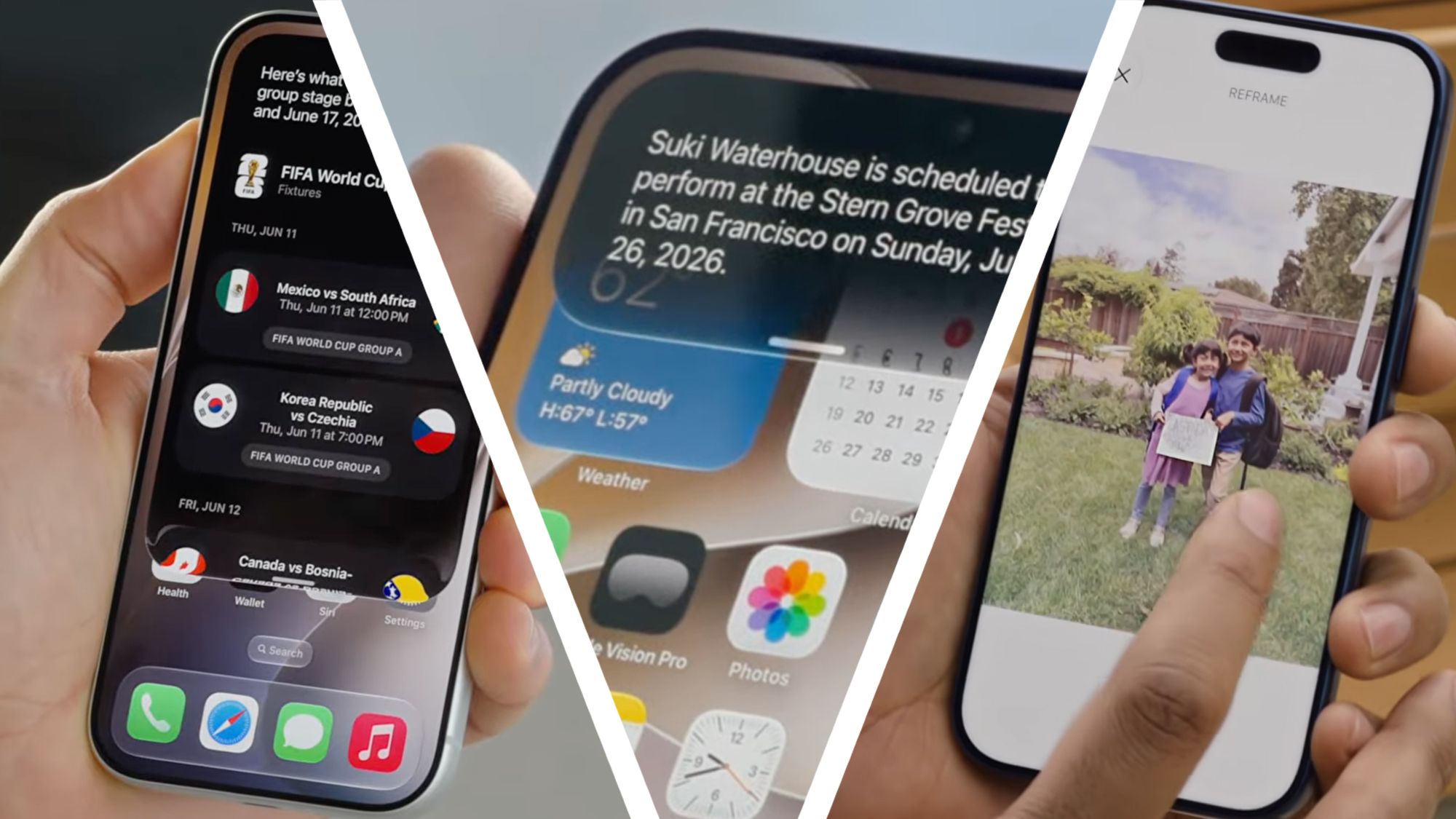
Apple's iOS 27 Screen Time update, unveiled at WWDC 2026, introduces new child safety controls, but Google's Android 17 Pause Point has captured more enthusiasm from at least one longtime Apple fan.
The Core Difference: Restriction vs. Reflection
Screen Time relies on app timers that users can easily override. The author, Thomas Deehan, notes that despite setting limits on apps like Instagram, he repeatedly ignored them and eventually removed all restrictions on his iPhone 16. The feature works best when parents control a child's device, but is less effective for self-regulation.
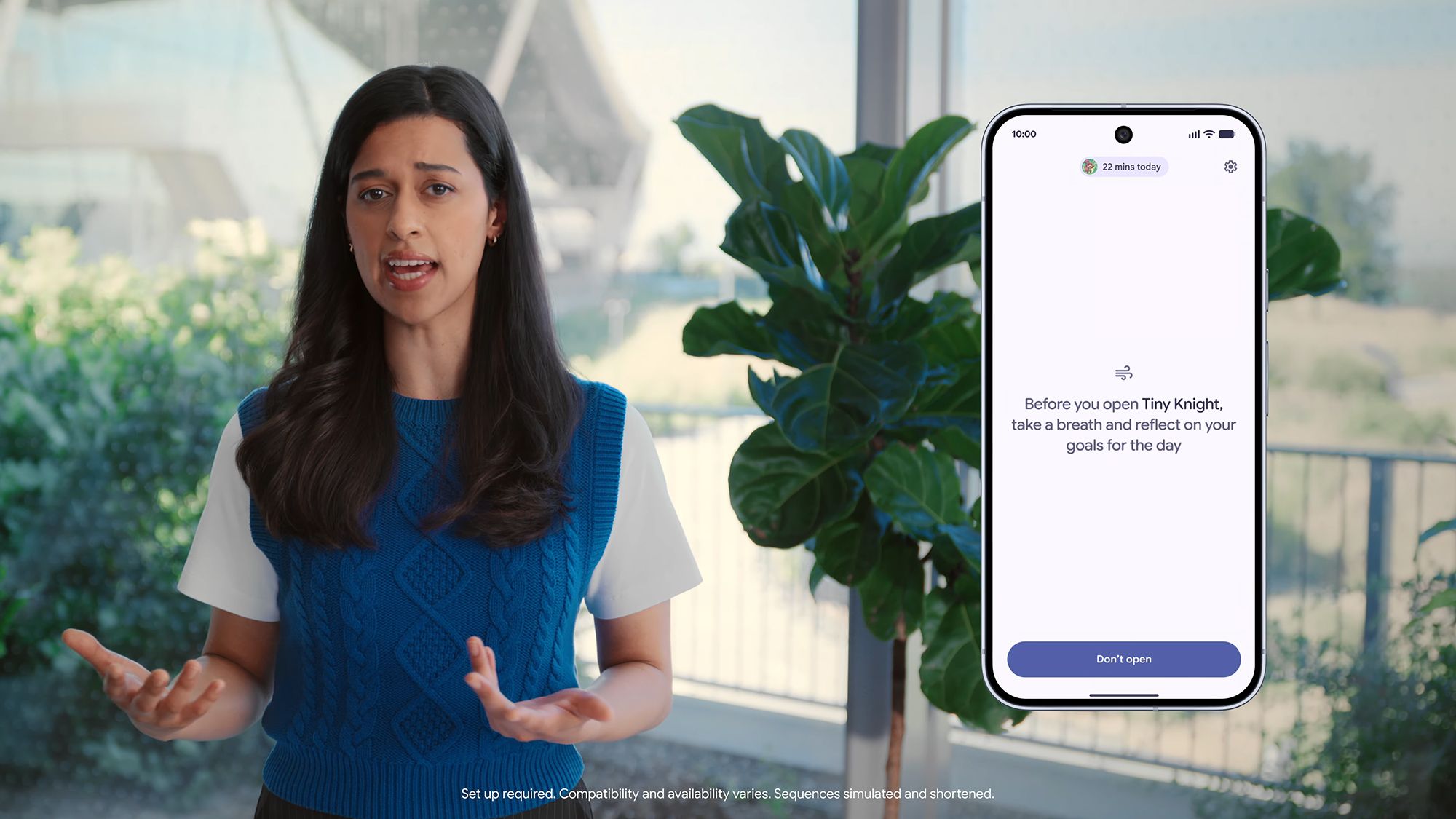
Pause Point, shown at The Android Show 2026, takes a behavioral approach. When a user opens a time-sink app, a barrier appears prompting a 10-second breathing exercise and a question about why they need to use the app. If the user decides they genuinely need access (e.g., to reply to a message), they can set a quick timer to avoid overuse.
| Feature | iOS 27 Screen Time | Android 17 Pause Point |
|---|---|---|
| Primary mechanism | App timers, child controls | Breathing exercise, reflection prompt |
| Bypass difficulty | Easy for device owner | Requires active decision |
| Alternative suggestions | Not a core feature | Suggests Play Books, Mellow Mindspace |
| Target audience | Parents managing children | Self-regulating adults |
Why Pause Point Resonates
Deehan, a father, worries about his daughter mimicking his phone habits. He previously used the Calm app for meditation and finds the breathing exercise helpful for breaking autopilot scrolling. Pause Point's suggestion of more fulfilling apps like Play Books and Mellow Mindspace (a meditation app) offers a positive alternative, turning smartphones into tools for self-improvement rather than just time sinks.
Apple already has Apple News+ as a premium reading service, but Deehan believes Google's approach has a psychological edge by addressing the root behavior.
Implications for Mindful Tech
The contrast highlights two philosophies: Apple enforces limits externally, while Google aims to change internal habits. For users who struggle with self-control, Pause Point's friction may be more effective than Screen Time's easily dismissed timers. The success of either feature will depend on whether users embrace mindfulness or continue to find workarounds.
What to watch: Whether Apple adds similar reflective prompts in future iOS updates, and how Android 17's Pause Point performs in real-world usage after its release.
Sources: