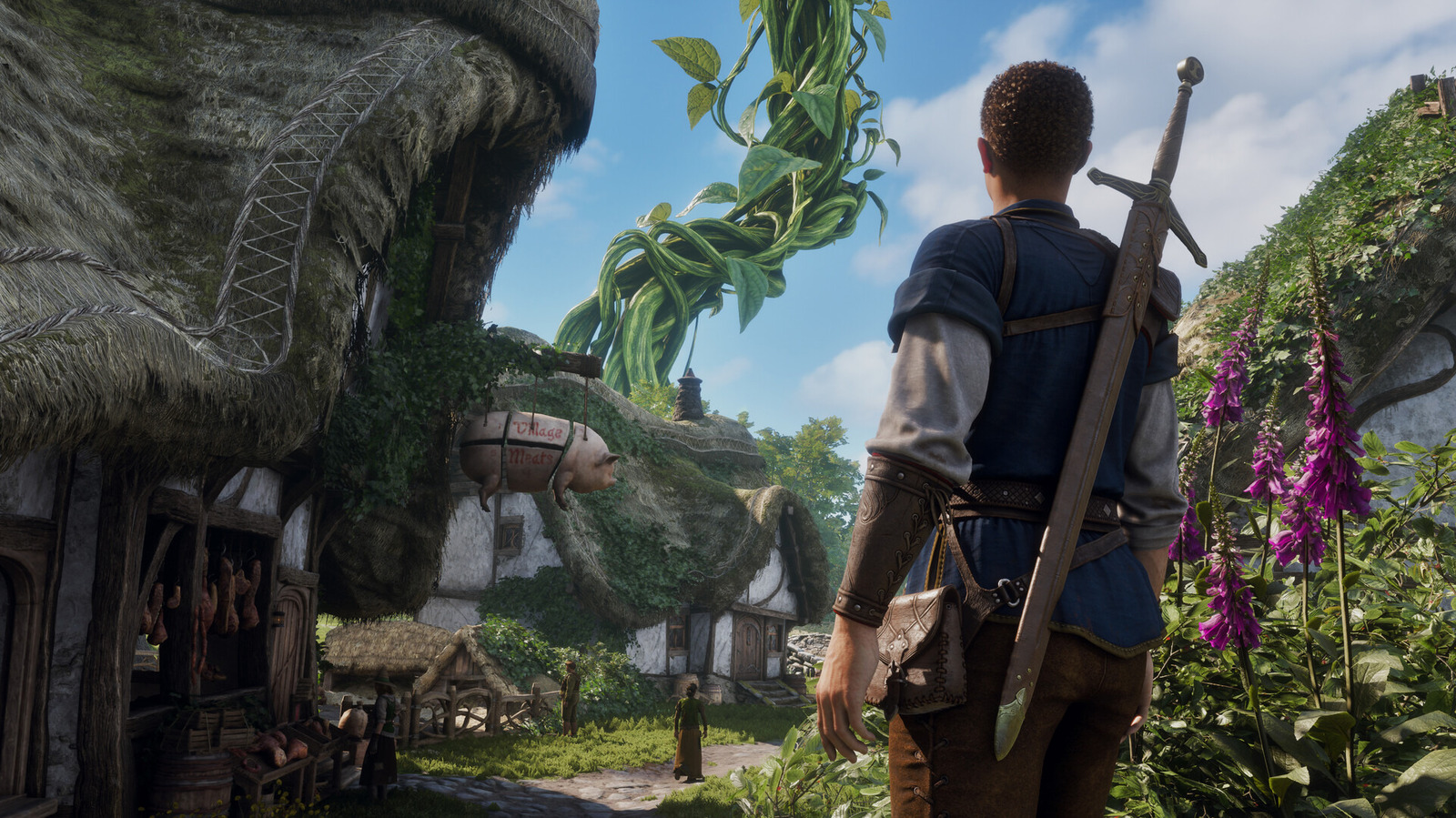
Capcom has finally announced a major expansion for Dragon's Dogma 2: Dark Arisen, much to the delight of fans who have been eagerly awaiting new content. The expansion will be available on PS5, Xbox Series X, Xbox Series S, PC, and the upcoming Nintendo Switch 2. Set to launch on October 9, 2026, this expansion introduces a new region called Norgan, along with new armor, weapons, skills, and enemies.
Quality-of-Life Update
In preparation for the expansion, Capcom has released Title Update 3.1, which is now available. This update includes numerous quality-of-life improvements, bug fixes, and gameplay adjustments. Another update is expected in August to further address player feedback and enhance the gaming experience.
Historical Context
The name Dark Arisen is familiar to fans, as it was also used for the first game's expansion, which similarly brought quality-of-life improvements. This pattern of updates and expansions shows Capcom's commitment to refining and expanding their games based on player feedback.
Fan Reactions and Expectations
The announcement came as a surprise to many, given Capcom's silence on the franchise since the game's 2024 release. However, some fans anticipated this move due to Capcom's activity on Steam's backend and hints in anniversary posts. The expansion announcement has validated these theories, exciting the fanbase.
Capcom's Recent Successes
Capcom has been on a roll with successful releases such as Monster Hunter Wilds, Resident Evil Requiem, and Pragmata. The company continues to build on its success with upcoming releases like the story expansion for Requiem and Onimusha: Way of the Sword. This consistent output highlights Capcom's robust development pipeline and its ability to deliver engaging content.
Capcom's announcement of Dragon's Dogma 2: Dark Arisen and the accompanying updates demonstrate their ongoing commitment to enhancing player experience and expanding game content.
For technology decision-makers in the gaming industry, Capcom's approach to updates and expansions can serve as a model for maintaining player engagement and extending the lifecycle of a game. By listening to player feedback and continuously improving the game, companies can ensure sustained interest and satisfaction among their user base.
Sources: