
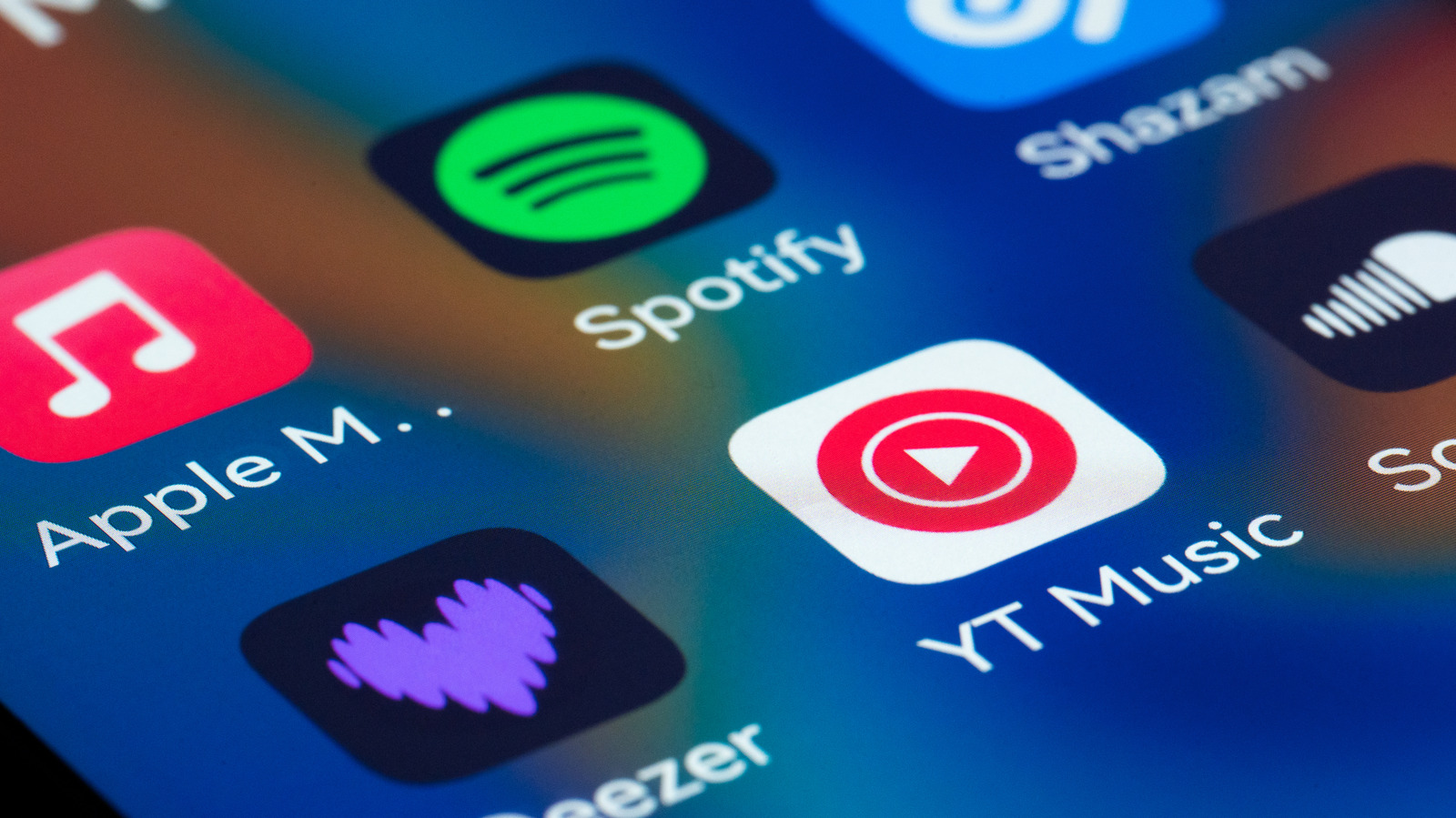
For enterprise technology leaders evaluating subscription bundling strategies, the recent evolution of YouTube Premium offers a compelling case study. According to Engadget, a full-fat YouTube Premium subscription, which costs $16 at the time of writing due to a recent price hike, now includes unlimited access to YouTube Music. This bundling effectively allows heavy YouTube users to replace separate music streaming subscriptions such as Spotify or Apple Music.
The Subscription Calculation
Engadget reported that YouTube Music does not have a high-resolution library, even though that feature has become basic table stakes for competition. Spotify, which dragged its feet on high-res for years, finally added its own lossless capabilities last year (it's not bit-perfect lossless). However, lossless audio is a relatively niche feature that you can't truly take advantage of without audiophile-grade playback equipment. As Engadget noted, "If you listen to music on your AirPods via an iPhone, you're not getting lossless playback in the first place."
YouTube Music tops out at 256kbps in resolution, compared to 320kbps offered by other services before tipping into lossless quality. According to Engadget, the bottom line is that if you already listen to music on YouTube and haven't had an issue with the sound quality, YouTube Music will suit you just fine in that regard.
Organizational Differences
Other differences between YouTube Music and Spotify or Apple Music become more subjective. Engadget explained that whereas those services allow you to build a more traditional music library, YouTube Music organizes things much in the same way as the video streaming side of the platform. You subscribe to artists rather than following them, and subscribing to an artist on YouTube also subscribes to them on YouTube Music. Playlists also carry over between both sides of the house.
For those who want their taste in video content to affect their music recommendations, and vice versa, this can be a boon. But if you prefer some separation, it's a massive headache. As Engadget put it, "Just because you watched a video about the Drake and Kendrick beef doesn't necessarily mean you want songs from all three of Drake's unlistenable new albums piped into your ears during a jog."
| Feature | YouTube Music | Spotify / Apple Music |
|---|---|---|
| Audio resolution | 256kbps | 320kbps |
| High-resolution lossless | No | Yes (Spotify added in 2025) |
| Library organization | Subscribe to artists; playlists from YouTube | Traditional music library |
| User-uploaded content | Extensive user-uploaded library | Limited |
Niche Features
Engadget highlighted that the logic of YouTube gives YouTube Music one major edge: its user-uploaded library. In addition to most of the same major label music available on competing services, YouTube Music includes a vast catalog of user-uploaded content, including live performances, covers, and rare tracks that are often unavailable elsewhere. This can be a significant draw for certain users.
Strategic Implications for Enterprise Subscription Management
The trade-off isn't right for everyone. Whether YouTube Music is fit for your needs depends largely on how much you value the features it lacks compared to the competition, as well as how willing you might be to let the platform logic of YouTube dictate the music you listen to. For CTOs and digital transformation leaders, this case illustrates how bundling can increase perceived value and reduce churn, but only if the combined product meets user expectations. The decision ultimately hinges on user priorities: sound quality, library organization, and the value of a single subscription.
Sources:
