India's agricultural export sector marked a significant milestone in FY26 by entering 1,821 new markets, contributing an additional $202 million in exports, according to Sanjay Kumar of The Hindu Business Line. This expansion was driven by sectors such as marine products, pulses, and agri-processing. Despite these gains, India's agricultural exports rose only 2.8% to $52.55 billion, reflecting underlying logistical challenges.
Supply Chain Challenges
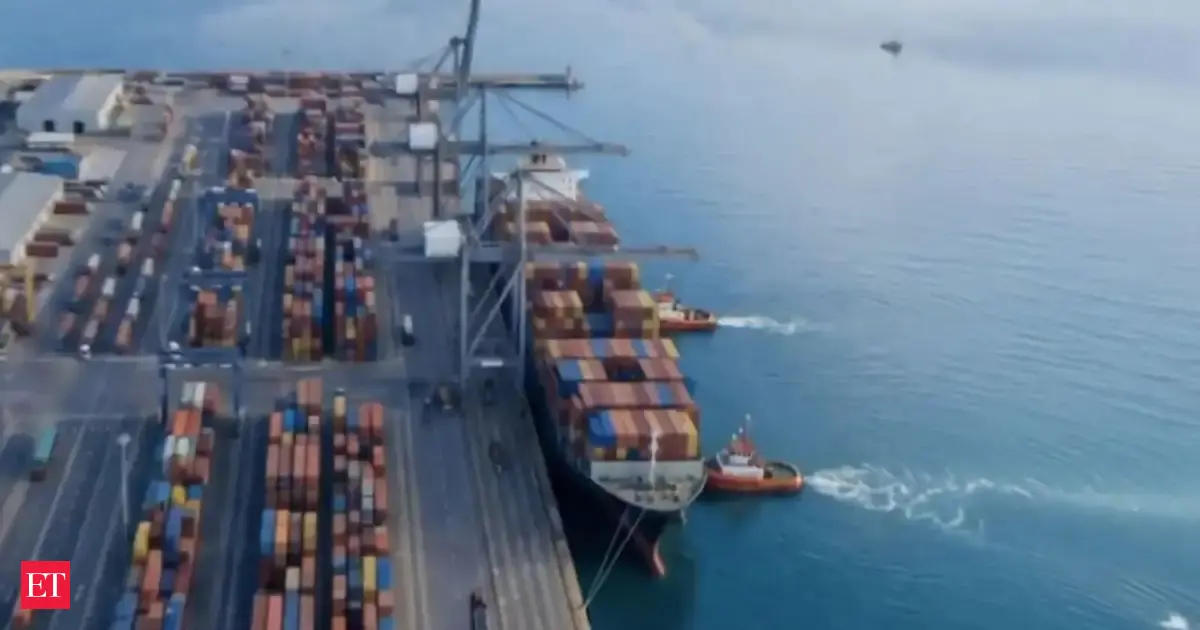
India's agricultural export growth is hampered by logistical inefficiencies, fragmented cold-chain systems, and high wastage levels. Approximately 15-20% of agricultural produce is lost annually due to inadequate infrastructure. This is particularly critical for perishable goods like seafood and dairy, where international buyers demand consistency and traceability.
Climate Change and Global Trade
Climate change poses additional risks to global trade flows. Heatwaves, unpredictable monsoons, and geopolitical conflicts, such as recent turmoil in West Asia affecting rice shipments, underscore the need for a cohesive supply chain. India must invest in cold-chain facilities and decentralized storage hubs to mitigate these risks.
Technological Integration
Digitization of the supply chain is essential. Technologies like AI-powered demand prediction and blockchain-enabled traceability can enhance transparency and reduce wastage. These advancements will help Indian exporters, especially MSMEs, compete in premium markets.
Value Addition and Policy Coherence
Promoting value addition is crucial for long-term profitability. Processed foods and specialty agricultural products offer higher returns than raw commodities. Additionally, policy coherence between agriculture, logistics, and export sectors is vital. Quick clearance at ports and multimodal transport corridors can provide a competitive edge.
India stands at a pivotal moment, with opportunities to realign food value chains and diversify food sources. The future of agri exports hinges on effective supply chain reforms, transforming India from a large agricultural producer to a trusted global food supplier.
Sources: