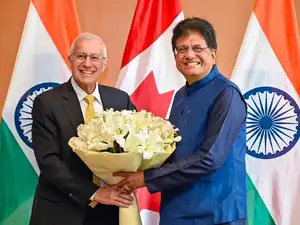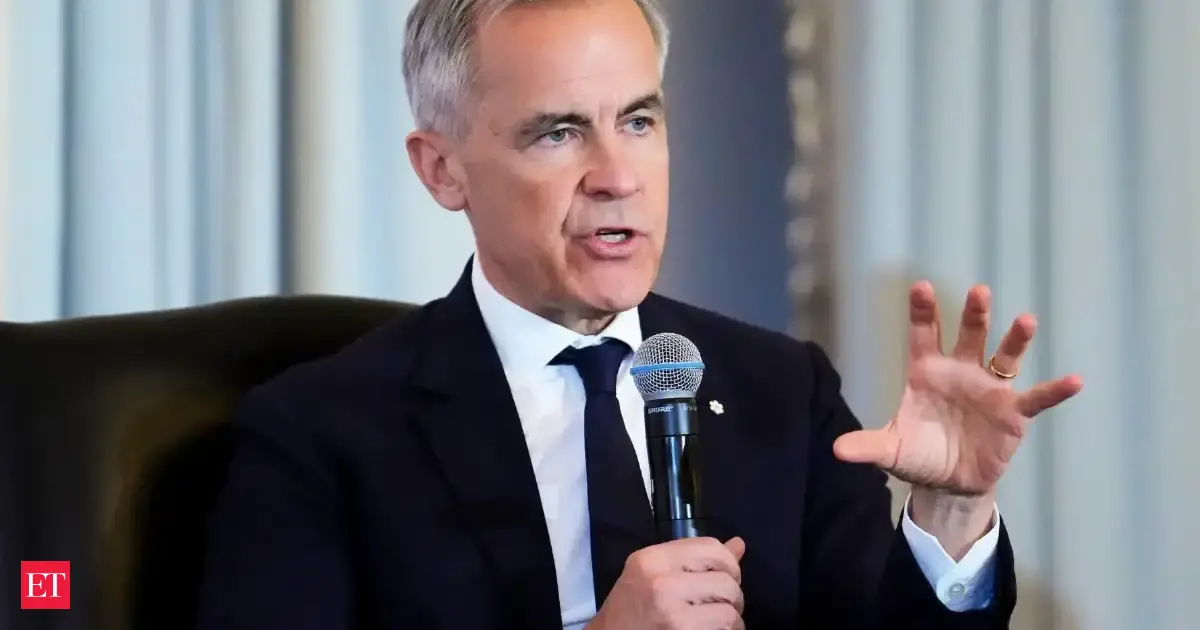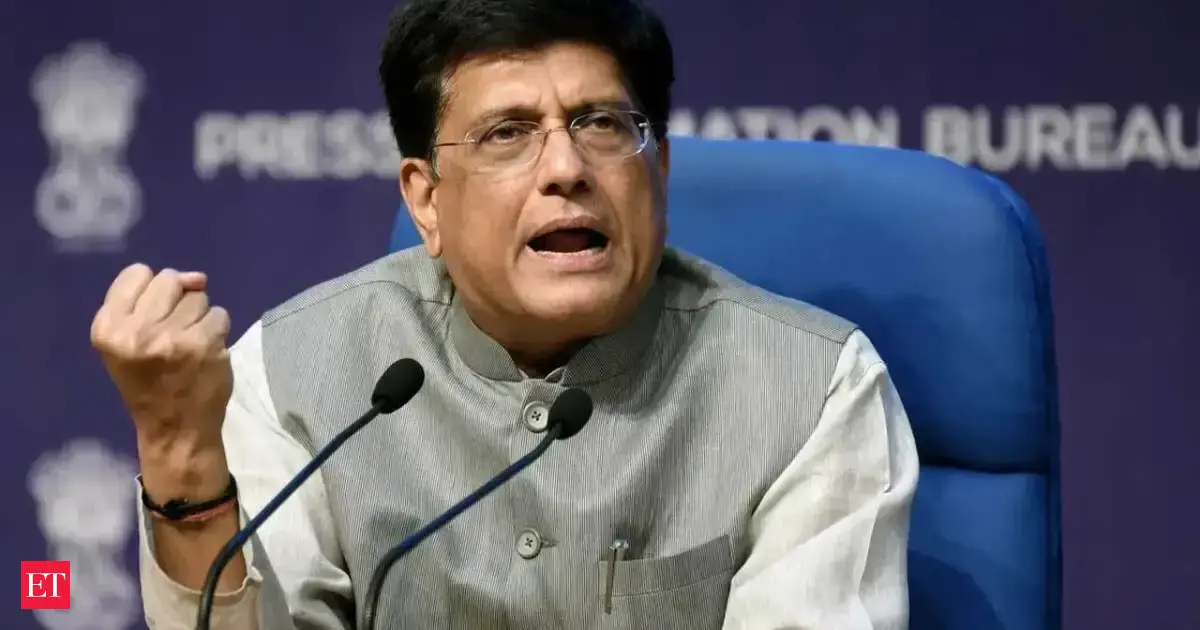
India and Canada are advancing their Comprehensive Economic Partnership Agreement (CEPA) negotiations by strategically excluding sensitive sectors from discussions. Piyush Goyal, India's Minister of Commerce and Industry, emphasized the importance of focusing on areas of convergence during his visit to Canada.
Strategic Exclusions
The decision to leave out sensitive sectors such as agri-commodities and dairy aims to streamline negotiations. Goyal stated, "Let's capture the low-hanging fruit. Let's look at areas of convergence."
- Agri-commodities and dairy are notably excluded.
- Focus is on sectors like AI, cleantech, agritech, and deep tech.
Investment Opportunities
Goyal highlighted India's robust startup ecosystem and digital infrastructure as attractive investment opportunities for Canadian firms.
- India has the third-largest startup ecosystem with approximately 2.3 lakh registered startups.
- Discussions with Jo Taylor and John Graham focused on investments in infrastructure, renewables, and digital economy.
Bilateral Cooperation
The talks underscore potential cooperation in technology and innovation sectors.
"The digital public infrastructure is another area where India has demonstrated tremendous capabilities," Goyal noted.
| Sector | Potential for Cooperation |
|---|---|
| AI | High |
| Cleantech | High |
| Agritech | High |
| Deep Tech | High |
Future Prospects
The ongoing negotiations in Ottawa mark a significant step in strengthening bilateral trade relations. Both countries aim to finalize the CEPA by focusing on mutually beneficial sectors while respecting each other's sensitivities.