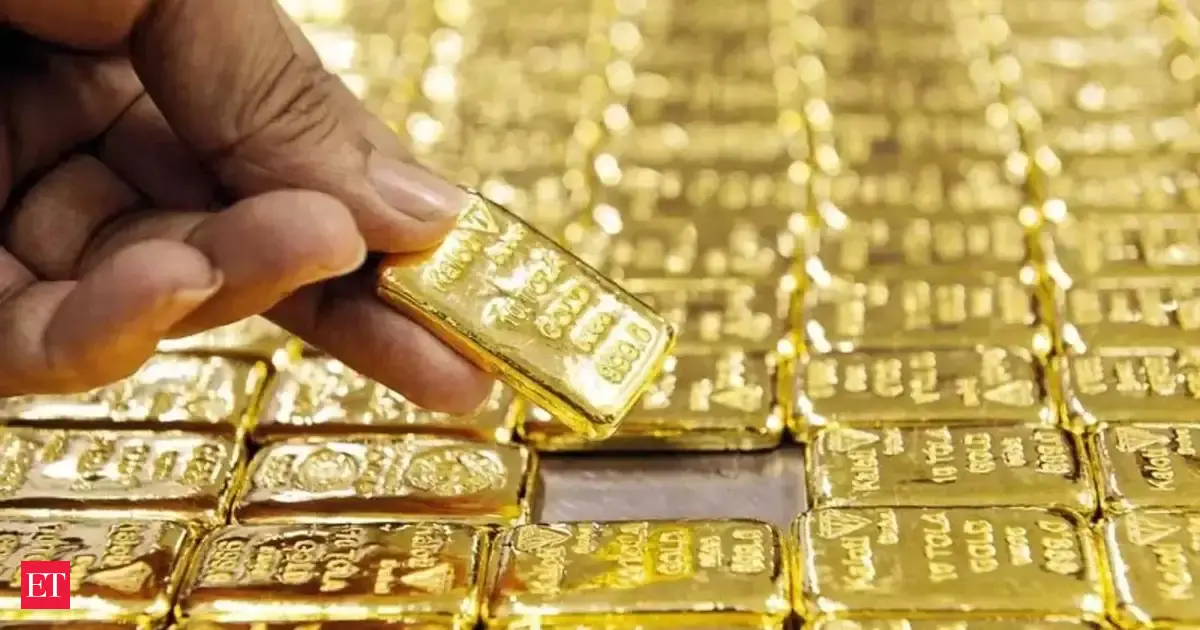
India's recent increase in gold tariffs has sparked a significant rise in smuggling activities, according to a report by the Economic Times. The grey market is offering discounts exceeding $200 per ounce, making it difficult for legitimate importers to compete.
Smuggling Surge
The Economic Times reports that illegal gold imports could surpass 100 tons in 2026. At current market prices, this volume represents approximately $14.35 billion, resulting in an estimated $2.65 billion loss in tariffs and sales tax. This resurgence follows a decline in smuggling from 156.1 tons in 2023 to just 20.4 tons in 2025, attributed to previous duty cuts.
Impact on Legal Trade
The tariff hike has severely impacted legal gold trade. In April, India imported 45.6 tons of gold, but imports may have halved in May as banks and refiners reduced purchases due to deep discounts in the grey market. James Jose, managing director of CGR Metalloys, highlighted that domestic discounts on legal gold have exceeded $100 an ounce, making refining uneconomical.
Challenges for Banks and Refiners
Banks are struggling to offer competitive discounts, with the grey market offering three-digit discounts compared to the banks' inability to offer even a $10 discount. Gold refiners, who typically operate on margins of around 0.65%, find little incentive to import gold dore, a semi-pure alloy, due to the tariff changes.
Economic Implications
The tariff hike and subsequent smuggling surge pose significant challenges for India's economy. The loss in tariffs and sales tax could impact government revenue, while the disruption in legal trade affects banks and refiners' profitability. Importers and exporters in the gold sector must navigate these challenges carefully, considering the competitive pressures from the grey market.
| Year | Smuggling Volume (tons) | Legal Imports (tons) |
|---|---|---|
| 2023 | 156.1 | N/A |
| 2024 | 69.2 | N/A |
| 2025 | 20.4 | N/A |
| 2026 (Projected) | >100 | N/A |
The ongoing situation underscores the need for strategic adjustments by stakeholders in the gold trade to mitigate the adverse effects of the tariff hike.
Sources: