India's ambitious National Green Hydrogen Mission (NGHM), launched in 2023, aims to produce 5 million tonnes of green hydrogen annually by 2030. However, current projections indicate that production may only reach 3 million tonnes by 2030, with the target potentially shifting to 2032. As of February 2026, only about 8,000 tonnes per annum of green hydrogen capacity had been commissioned.
Fertiliser Security as a Strategic Anchor
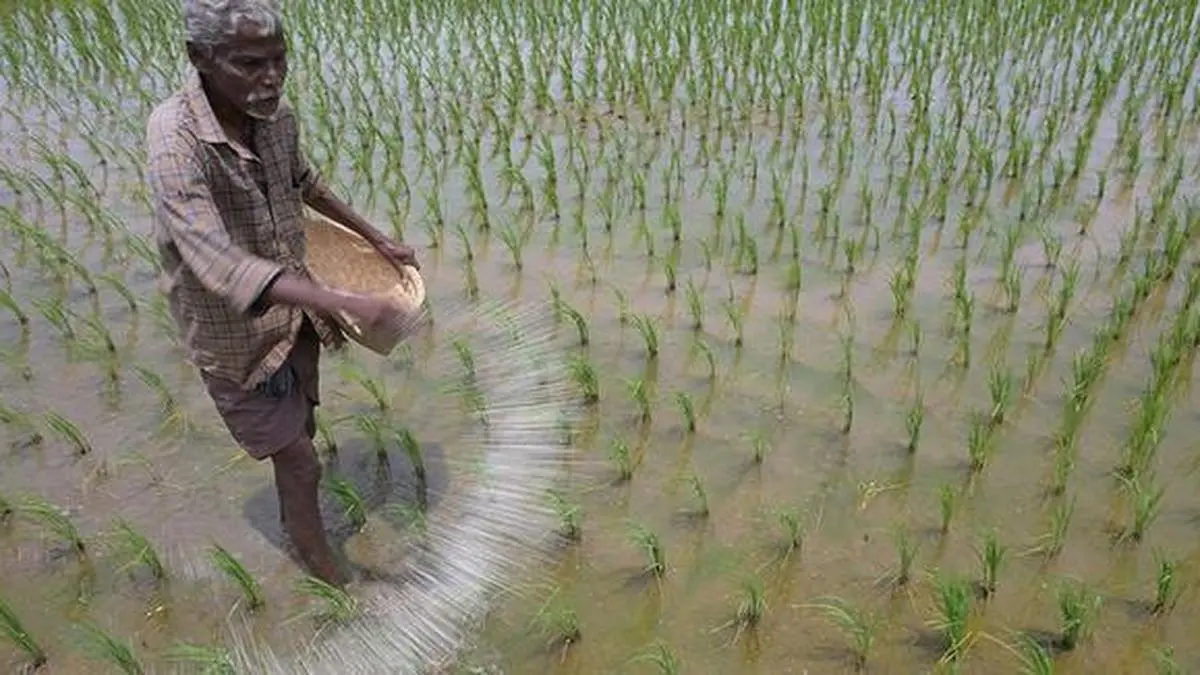
The NGHM's strategy emphasizes fertiliser security as a critical component. Green ammonia, derived from domestic renewable energy, offers a sustainable alternative to natural gas-based ammonia, reducing India's vulnerability to global price volatility and supply disruptions. The Union Budget has allocated ₹1.76 lakh crore for fertiliser subsidies in FY27, highlighting the economic stakes involved.
Policy Support and Development
Policy support is evolving, with the Solar Energy Corporation of India (SECI) issuing a green ammonia tender to produce 724,000 tonnes annually across 13 fertiliser plants under the SIGHT Scheme. The Ministry of New and Renewable Energy has also notified a green ammonia standard to support certification and market development.
"Green ammonia will not displace conventional inputs overnight, but it can seed a domestic alternative in a sector where the strategic stakes are high."
Building Domestic Capabilities
Future tenders and incentive structures should focus on developing domestic capabilities, including local manufacturing content, technology transfer arrangements, and supplier development. The green premium remains a challenge, but building a robust domestic industry is essential for long-term energy security.
| Year | Green Hydrogen Capacity (tonnes) | Fund Utilisation (₹ crore) |
|---|---|---|
| 2024 | 8,000 | 0.11 |
| 2026 | 8,000 | 203.8 |
Conclusion
India's green hydrogen strategy, anchored in fertiliser security, aims to reduce import dependence and enhance energy security. By focusing on domestic manufacturing and policy support, India can position itself as a leader in the emerging low-carbon economy.