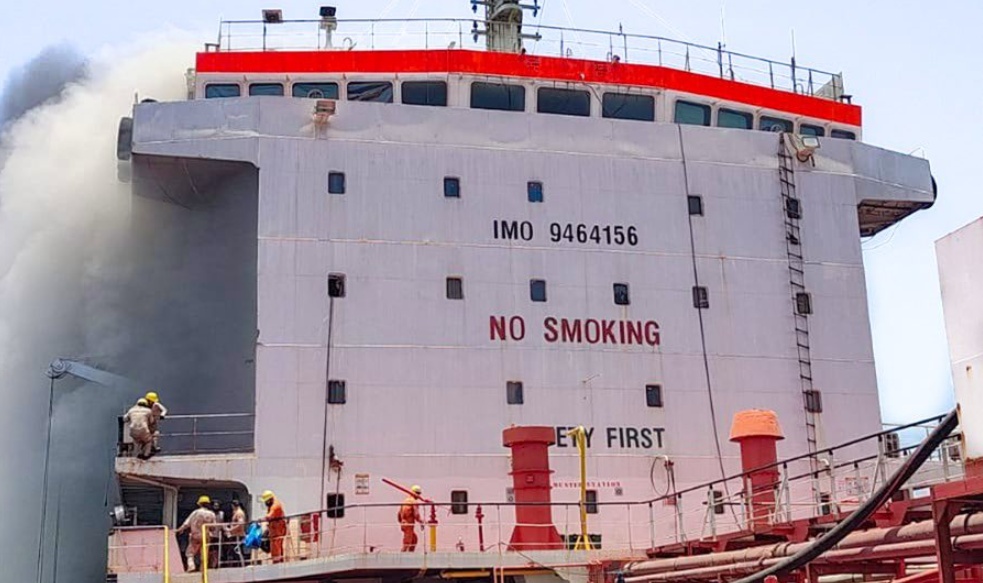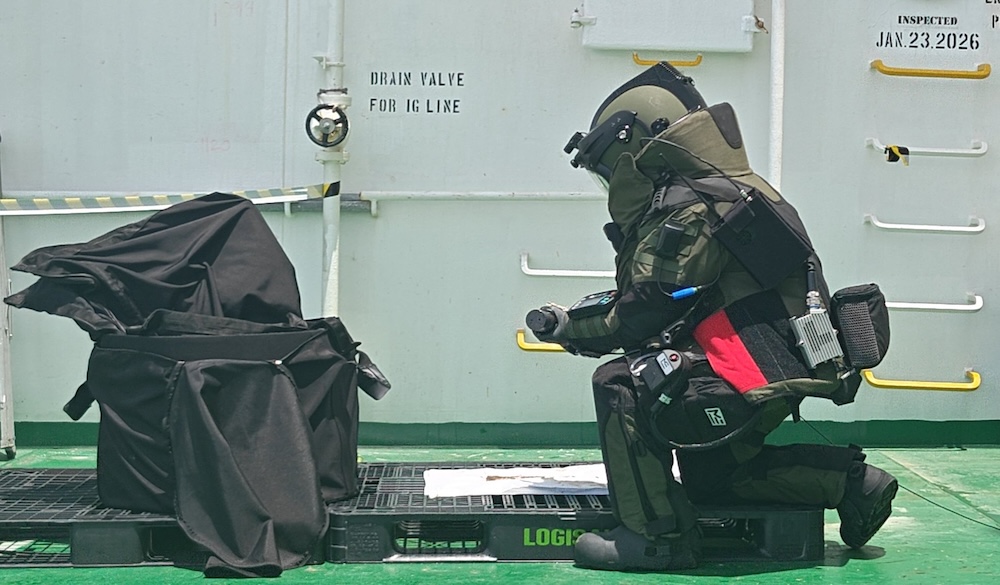
The volatile Hormuz shipping crisis dominated headlines this week as fresh attacks between the US and Iran and tanker strikes off Oman killed three seafarers, according to Splash247. Hopes of a near-term resolution rose after President Trump suggested a US-Iran peace deal could be signed as early as this weekend, though Tehran stated it had yet to make a final decision. In a striking development, images emerged of the Indian Navy extracting an unexploded missile warhead from the VLCC Olympic Life, which was en route from the UAE to Kochi when it was struck.
First Ammonia-Powered Vessel Delivered
Belgian gas shipowner Exmar took delivery of what is being billed as the world's first oceangoing vessel powered by a dual-fuel ammonia engine, Splash247 reported. The 46,000 cu m midsize gas carrier Antwerpen was handed over by South Korea's HD Hyundai Heavy Industries. This milestone represents a significant step in decarbonizing maritime transport, directly relevant to importers and exporters monitoring fuel technology shifts.
Maritime AI and Crew Cost Insights
Hrvoje Mihovilović, founder and CEO of ELNAV.AI, was this week's featured Maritime CEO interview. He warned that AI designed mainly for remote monitoring, scoring, or blame-by-replay can damage trust and weaken just culture, according to Splash247. Separately, Niklas Weidmann, managing director of Tilla, offered practical advice on cutting crew travel costs, which he described as typically the second-largest cost after salaries in crewing budgets.
Container Port Performance Index
A deep dive into the latest Container Port Performance Index (CPPI) and so-called burst congestion published by the World Bank and S&P Global Market Intelligence formed the basis for the latest edition of the Splash Wrap podcast. The CPPI provides critical benchmarking data for trade logistics professionals assessing port efficiency.
Implications for Trade Professionals
The Hormuz crisis directly threatens shipping lanes critical for oil and containerized trade, raising insurance premiums and transit risks. Customs brokers and import/export managers should monitor US-Iran negotiations, as a potential peace deal could rapidly alter risk assessments. Meanwhile, the ammonia-powered Antwerpen signals a shift toward alternative fuels that could affect future vessel chartering and fuel supply chains. The CPPI insights offer actionable data for port selection and supply chain planning, as congestion remains a key cost driver.
Sources: