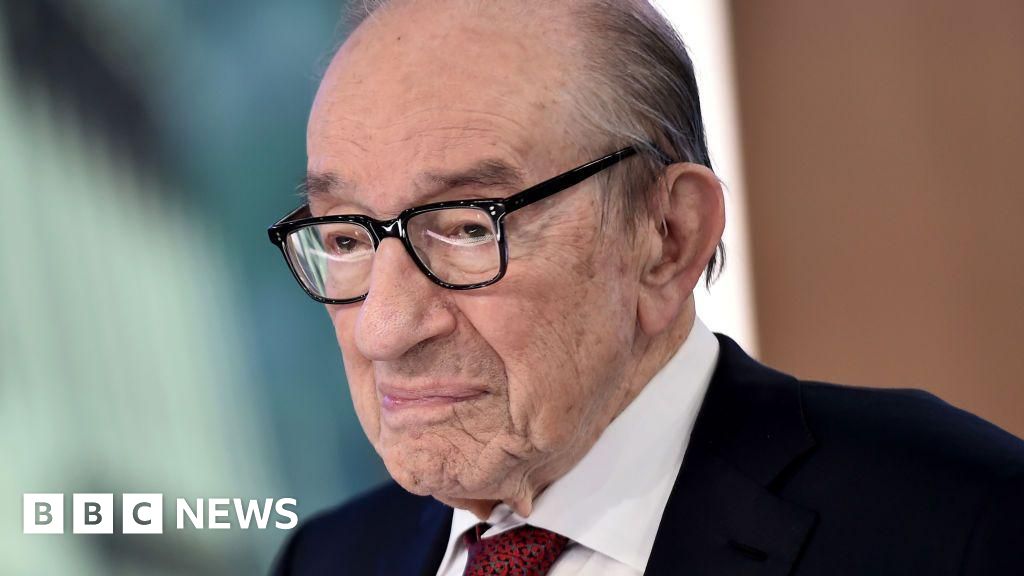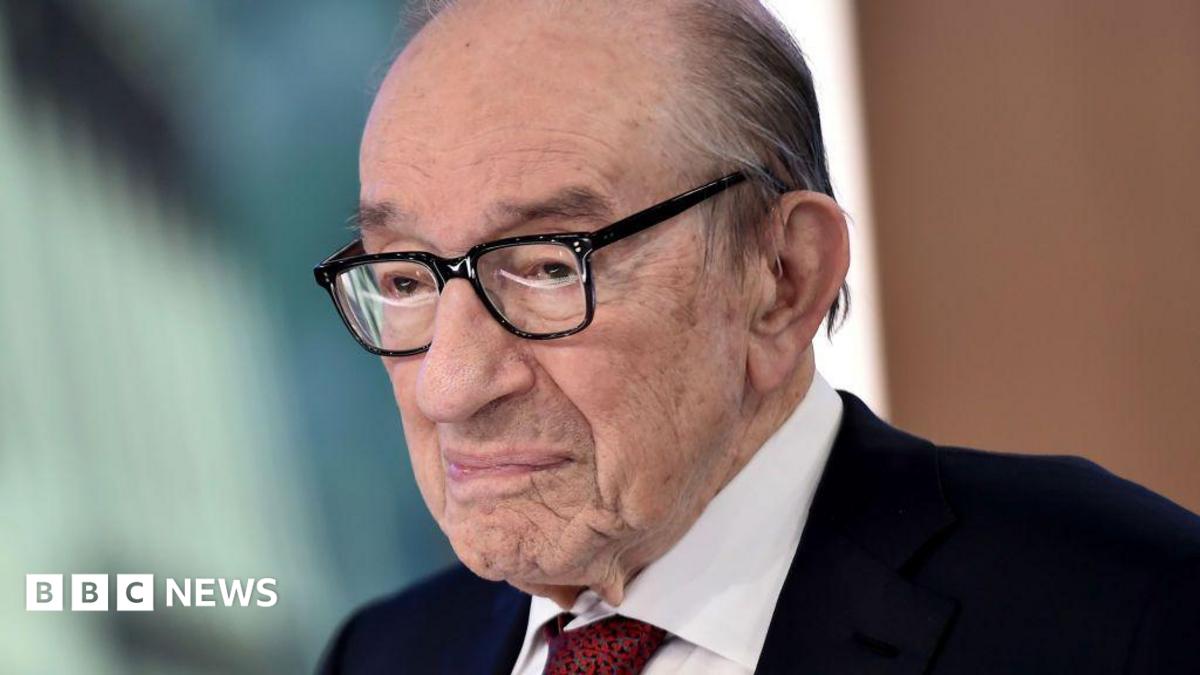
Alan Greenspan, the former Federal Reserve chair who dominated US monetary policy for nearly two decades and was both celebrated for overseeing a prolonged economic expansion and blamed for fuelling the dot-com bubble and the 2008 financial crisis, died on 22 June 2026 at age 100, according to his wife, NBC News correspondent Andrea Mitchell. She said in a statement that Greenspan died from complications of Parkinson's disease and called him 'a giant of a man who helped shape the US economy for decades under presidents of both parties, but was always honest in acknowledging his mistakes'.
Early life and career
Greenspan was born in New York City on 6 March 1926 and raised by his mother, who worked in a furniture store. He initially studied clarinet at the Juilliard School of Music and played with Stan Getz before touring with the Henry Jerome Band, which he credited with giving him a practical insight into US business. At 19 he enrolled at New York University to study economics, becoming an apostle of the free market. He later worked as an economic consultant and served on the board of JP Morgan.
In 1952 Greenspan met novelist and philosopher Ayn Rand, whose libertarian views deeply influenced him. She nicknamed him 'the undertaker' because of his dark suits. In a 1966 article he wrote that 'the welfare state' was 'nothing more than a mechanism by which governments confiscate the wealth of the productive members of a society'.
Federal Reserve chair
President Richard Nixon gave Greenspan his start in government, and President Ronald Reagan appointed him chairman of the Federal Reserve in 1987. He served until 2006, a tenure described as the second most powerful position in the country after the presidency. According to the BBC, the media and money markets hung on his few public statements, and a sign in his office read 'the buck starts here'.
The Fed said in a statement that Greenspan's policies and economic thinking 'left a lasting mark on this institution, on the broader field of economics, and on the country'. The central bank added that he 'brought rigorous analytical discipline to monetary policymaking and helped establish the credibility that remains one of the Federal Reserve's most important assets'.
Criticism and legacy
While Greenspan presided over the longest sustained period of US economic growth in a generation, critics argue that his reliance on easy credit fuelled the dot-com bubble of the late 1990s and triggered the subprime mortgage crisis of 2008. The Fed's statement noted that his legacy lives on through the economists he mentored.
Personal life and death
Greenspan married Andrea Mitchell, an NBC News correspondent, in 1997. He died at home aged 100. The BBC reported that he declined all interviews during his Fed tenure but was known for his distinctive economic philosophy blending free-market principles with practical policymaking.
| Period | Role | Key fact |
|---|---|---|
| 1926 | Born | New York City, 6 March |
| 1945 | Education | Juilliard, then NYU economics |
| 1952 | Meeting | Met Ayn Rand, became 'the undertaker' |
| 1987-2006 | Fed chair | Appointed by Reagan, longest growth period |
| 2008 | Crisis | Blamed for subprime mortgage crisis |
| 2026 | Death | Aged 100, Parkinson's complications |
Greenspan's death marks the end of an era in which the Fed chair wielded outsized influence over global markets. For business leaders and investors, his legacy underscores the debate between regulation and free markets that continues to shape corporate strategy.
Sources: