iGEN
Visit IGEN World Explore IGEN Expo
EXPLORE UPGRADE PLANS
BREAKING
Industrial Products Drive U.S. Rail Freight Gains in Late July, AAR Reports US Federal Reserve Holds Rates Steady as Kevin Warsh-Led FOMC Maintains 3.5-3.75% Range Tur Importers Seek Government Nod to Expand Sourcing Network to Brazil and Australia Jailbreaking Frontier AI Models Is Cheap and Easy, New Report Warns Enterprise Users US Interest Rates Held for Fifth Consecutive Meeting as Fed Votes 9-3 Oil Prices Jump Over 7% as Middle East Chaos Flares Up, Brent Crude Back at $90 What India should do to respond to emerging global challenges, high oil prices: FinMin outlines Cotton imports likely to rise to a record 60 lakh bales in 2025–26 season: CAI NCDEX launches NCDEX Nidhi to distribute mutual funds to rural India via FPO network Vinted taps DHL's Germany collection points to expand second-hand marketplace Industrial Products Drive U.S. Rail Freight Gains in Late July, AAR Reports US Federal Reserve Holds Rates Steady as Kevin Warsh-Led FOMC Maintains 3.5-3.75% Range Tur Importers Seek Government Nod to Expand Sourcing Network to Brazil and Australia Jailbreaking Frontier AI Models Is Cheap and Easy, New Report Warns Enterprise Users US Interest Rates Held for Fifth Consecutive Meeting as Fed Votes 9-3 Oil Prices Jump Over 7% as Middle East Chaos Flares Up, Brent Crude Back at $90 What India should do to respond to emerging global challenges, high oil prices: FinMin outlines Cotton imports likely to rise to a record 60 lakh bales in 2025–26 season: CAI NCDEX launches NCDEX Nidhi to distribute mutual funds to rural India via FPO network Vinted taps DHL's Germany collection points to expand second-hand marketplace
Home ›› Business ›› Economy ›› US Federal Reserve Holds Rates Steady as Kevin Warsh-Led FOMC Maintains 3.5-3.75% Range

US Federal Reserve Holds Rates Steady as Kevin Warsh-Led FOMC Maintains 3.5-3.75% Range

The Federal Open Market Committee, led by Chair Kevin Warsh, voted to maintain the federal funds rate at 3.5-3.75% following its July 28-29 meeting. The decision reflects persistent inflation above the 2% target, geopolitical uncertainties from the Middle East conflict, and volatile oil prices. The Fed's statement noted solid economic expansion but highlighted supply shocks and tariff-related pressures.

iG
iGEN Editorial
July 29, 2026
US Federal Reserve Holds Rates Steady as Kevin Warsh-Led FOMC Maintains 3.5-3.75% Range

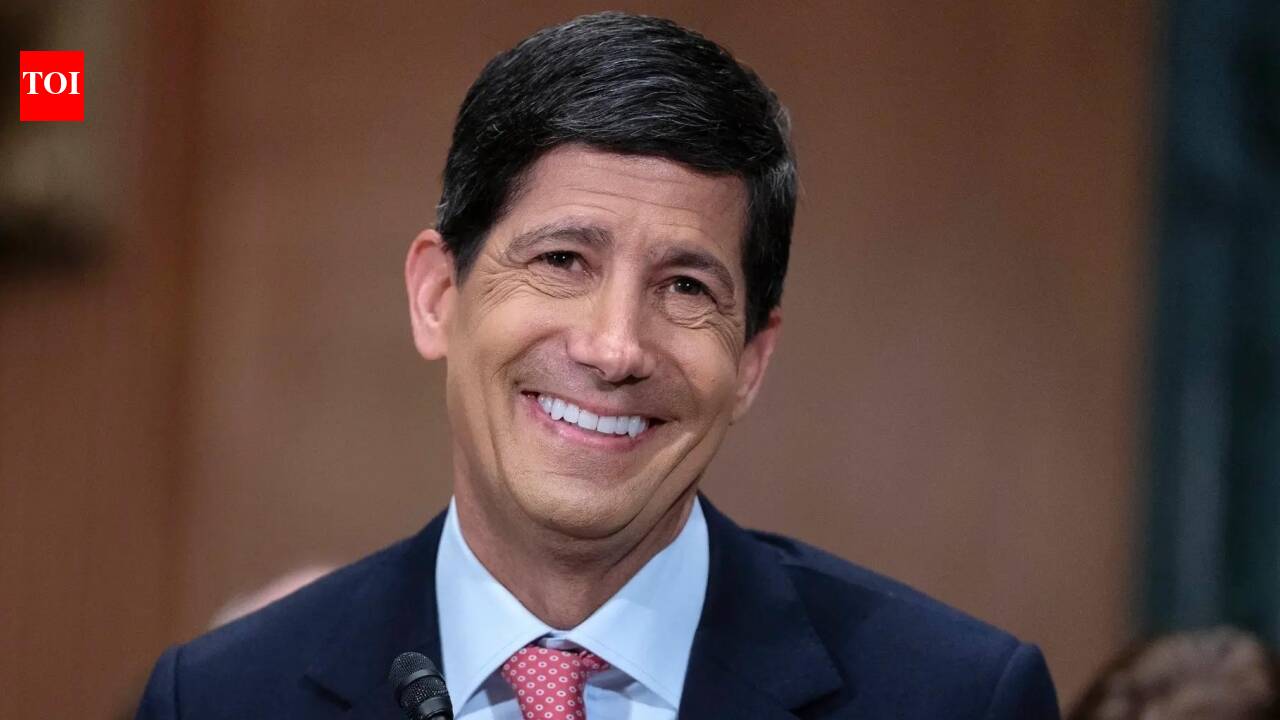
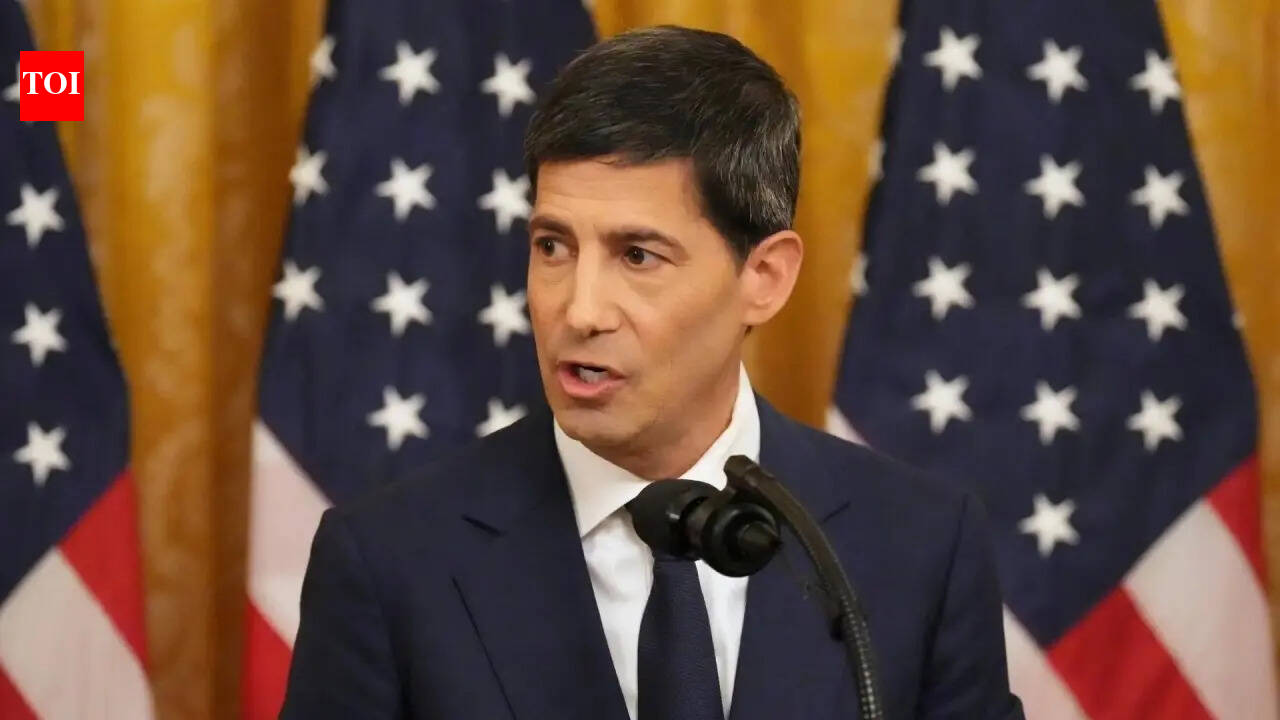
The Federal Open Market Committee (FOMC), chaired by Kevin Warsh, decided to keep the benchmark interest rate unchanged in the 3.5-3.75% range after its two-day policy meeting that concluded on July 29, 2026, according to the Federal Reserve's official statement. This marks the second monetary policy meeting under Warsh's leadership, coming after he told Congress earlier this month that he had "no tolerance" for persistently high inflation.

Economic Assessment

The FOMC statement described economic activity as expanding at a solid pace despite elevated uncertainty linked to the conflict in the Middle East. "Productivity growth and capital investment are strong. Job gains have kept pace with the workforce, and the unemployment rate has changed little," the committee noted. However, inflation remains elevated relative to the 2% goal, partly reflecting supply shocks that have driven price increases in certain sectors, including energy.

The decision to hold rates was widely expected by markets, as inflation has stayed above the Fed's target for more than five years. After peaking at just over 9% in mid-2022, inflation gradually eased following 11 rate hikes during 2022 and 2023, but progress has largely stalled since then, according to the report.

"The Committee decided to maintain the target range for the federal funds rate at 3-1/2 to 3-3/4 percent, in support of the Federal Reserve's dual mandate. The Committee is continuing its policy of maintaining ample reserves in the banking system." — FOMC statement

Inflation Pressures and Tariffs

Inflationary pressures have been driven by several factors, including President Donald Trump's tariffs on imported goods and a surge in investment in AI-focused data centres, which increased demand for computer chips, equipment, and electricity, the source article from Business Today reported. Core inflation, which excludes food and energy prices, moderated in June partly because rental inflation slowed and petrol prices temporarily declined. Even so, several Federal Reserve officials have argued that further interest rate increases may be required to bring inflation back to the 2% target.

Oil Price Volatility and Geopolitical Risk

The Middle East conflict has contributed to sharp fluctuations in oil prices. Brent crude fell to as low as $72 per barrel earlier this month before surging to $102 last week amid uncertainty over whether the United States and Iran could reach an agreement to restore free movement of oil tankers through the region. These swings reignited concerns that inflation could accelerate again, just as price pressures had begun easing faster than economists anticipated.

Implications for Investors and Corporate Strategy

Higher interest rates help contain inflation but can also slow economic growth and weigh on stock prices and other financial assets, the report noted. Expensive growth stocks are particularly sensitive to higher borrowing costs, and investors have become increasingly cautious about semiconductor companies and other firms that have benefited from the artificial intelligence boom. For corporate executives and investors, the steady rate signals continued tight monetary policy, with potential for further hikes if inflation does not moderate. The next milestone will be the FOMC's subsequent meeting, where the committee will reassess economic data and decide on the path of rates.


Sources: Business-Today
Keep Reading

Recommended Stories

Kevin Warsh-led FOMC Keeps Rates Unchanged, Projects Hike by Year-End, Raises Inflation Forecast Finance

Kevin Warsh-led FOMC Keeps Rates Unchanged, Projects Hike by Year-End, Raises Inflation Forecast

The Federal Reserve, under new chair Kevin Warsh, kept its benchmark interest rate unchanged in the 3.5% to 3.75% range. The Summary of Economic Projections showed 18 of 19 officials expect at least one rate increase by year-end, while the central bank raised its inflation forecast, projecting PCE inflation at 3.6% by end-2026. Inflation currently stands at 4.2%, a three-year high, driven by fuel costs.

June 17, 2026
From Inflation to Mortgage Rates: Key Movements in the US Economy's Weekly Report Card Business

From Inflation to Mortgage Rates: Key Movements in the US Economy's Weekly Report Card

The US economy saw mixed signals this week: inflation accelerated to a three-year high, consumer spending slowed, but GDP growth beat expectations and layoffs remained low. Apple raised prices on Mac and iPad models due to AI-driven memory chip shortages. Mortgage rates ticked up slightly, while jobless claims fell below forecasts.

July 8, 2026
Why the US economy keeps defying the odds: corporate investment and energy resilience drive outperformance Business

Why the US economy keeps defying the odds: corporate investment and energy resilience drive outperformance

The US economy continues to grow at a steady pace despite global shocks such as trade tariffs, immigration changes, and Middle East conflict. Corporate capital expenditure remains high at 13.9% of GDP, productivity has risen, and energy independence from fracking has reduced vulnerability to oil price spikes. Cultural attitudes toward risk-taking and structural differences with Europe further explain the divergence.

June 14, 2026
Ex-RBI Governor Raghuram Rajan and Two Other Indians Join US Federal Reserve Policy Review Panels Finance

Ex-RBI Governor Raghuram Rajan and Two Other Indians Join US Federal Reserve Policy Review Panels

The US Federal Reserve has appointed former RBI governor Raghuram Rajan, Harvard economist Raj Chetty, and Microsoft executive Asha Sharma to separate task forces reviewing its monetary policy framework. The panels, announced by Chairman Kevin Warsh, will examine balance sheet policy, data quality, productivity and jobs, communications, and inflation frameworks. The appointments signal an effort to incorporate diverse expertise as the Fed reassesses its tools and methods.

July 16, 2026