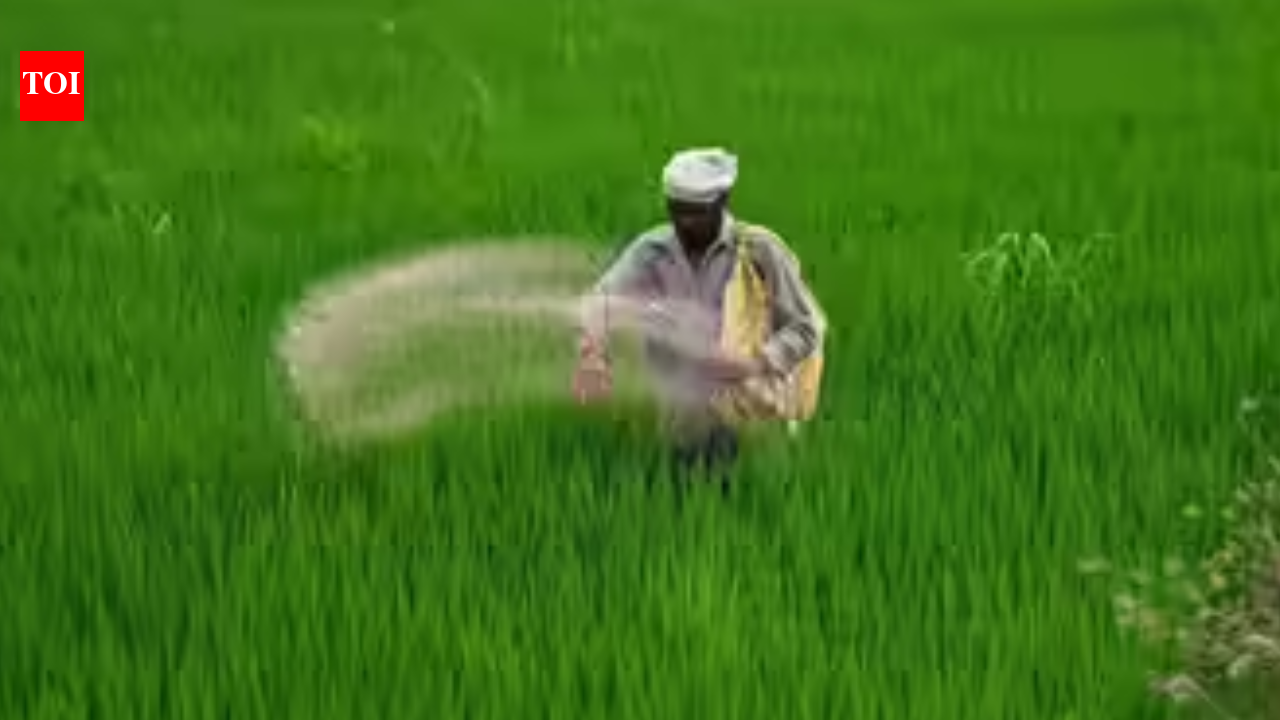
A field study of sugarcane owner-cultivators in Maharashtra reveals a near-universal collapse of farmer health that economists are calling a structural leak in India's $5-trillion economic target. The research, published in The Hindu BusinessLine by Parashram Patil, introduces the farmer health capital (FHC) framework, which treats the agricultural workforce not as a static input but as vital economic infrastructure that is being systematically depleted.
The scale of physical depreciation is stark. The average manual harvester works 10.97 hours a day on just 5.23 hours of sleep, enduring a back and joint pain severity score of 7.73 out of 10. Furthermore, 98% lack access to clean drinking water in the field, leading to chronic dehydration, and 85.3% log zero daily protein intake. This exhaustion drives what the study calls a 'revenue-pain paradox' – econometric testing shows a significant positive correlation between absolute farm revenue and back pain. Under current value chains, a farmer can only generate higher immediate income by physically destroying their own body.
The bioeconomic human infrastructure balance sheet
When a farmer's health capital depreciates, the state pays the price. The FHC framework transforms public health spending from a deadweight budget drain into a high-yielding infrastructure investment. The study maps out four key cost categories:
| Category | Impact |
|---|---|
| Out-of-Pocket Drain | Farmers lose ₹23,233 per season (10.13% of crop revenue) to medical costs, which could circulate in the village economy. |
| Predatory Debt | 60% of households borrow from informal networks for medical emergencies, triggering forced liquidation of land and equipment. |
| State Budget Burden | 92% of farmers delay treatment due to upfront costs, causing severe public hospital congestion. Early on-farm prevention saves public funds. |
| Locked Wealth | 100% of farmers suffer direct yield drops due to illness. Normalising physical wellness unlocks ₹26,597 in new wealth per family via a modest 10% recovery in manual output. |
Why current insurance schemes fall short
The study tests India's flagship public insurance scheme, Ayushman Bharat, and finds a structural mismatch. There is no significant association between scheme registration and reduction of medical treatment delays. Because the insurance focuses primarily on major tertiary hospitalisations, 91% of registered farmers still delay care because they cannot afford upfront outpatient (OPD) doctor fees, daily painkillers, and travel.
Implications for trade and supply chains
For international trade executives and importers of Indian agricultural commodities, the findings signal a vulnerability in supply base stability. The binary logistic regression modeling in the study shows that the Physical Health Score is the single statistically significant predictor of a farmer's confidence to commit to the next crop cycle – with a massive average marginal effect of 1.035 (p < 0.001). Traditional variables like revenue, social status, and crop insurance are entirely insignificant. If the body is broken, the planning horizon collapses. This means that farmers in poor health are less likely to invest in next-season planting, potentially creating supply gaps for export-oriented chains such as sugarcane, rice, and horticulture that depend on smallholder continuity.
Policy prescriptions
To protect what the article calls 'our agricultural frontline', the policy think tank NITI Aayog is urged to implement a bioeconomy policy framework: mandate strict 14-day escrow payment rules on processing mills to stop financial anxiety and meal skipping; legally transition cooperatives into human capital management hubs supplying clean water and ergonomic tools; and restructure public insurance to cover preventative OPD access. Protecting the smallholder's body, argues the study, is 'the most cost-effective strategy available to shield the state budget and defend' India's agricultural output.
What to watch
The next key milestone is whether NITI Aayog incorporates the FHC framework into its agricultural policy reviews, and whether any state government pilots the escrow payment rule for sugarcane mills in Maharashtra. For trade stakeholders, a deterioration in farmer health metrics could signal future supply-side volatility in India's agricultural export volumes.
Sources: