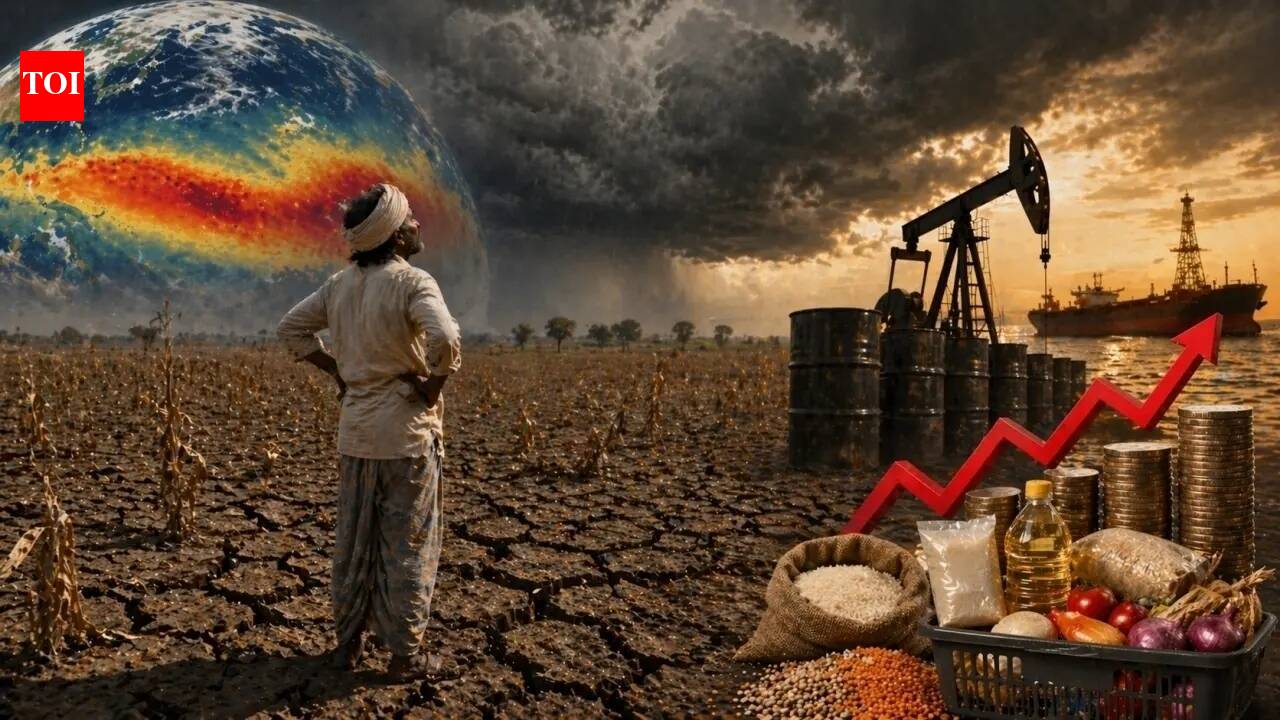
India's economy has navigated the US-Iran conflict with fewer scars than anticipated, as high-frequency indicators for the first quarter of FY2026-27 signal robust momentum. According to Business Today, the economy may even clock 7% GDP growth this year. Yet, a looming El Niño-driven weak monsoon threatens to reignite inflation, posing a new challenge for the world's fastest-growing economy.
Resilience Amid Geopolitical Turbulence
The spike in crude oil prices and its impact on the rupee, foreign flows, and import bills proved transient, Business Today reported. India imports about 88% of its crude oil needs, and the Middle East conflict—which began in late February—exposed this dependency. However, with a tentative ceasefire and reopening of the Strait of Hormuz, economic indicators have bounced back. India's stock market rebounded strongly, and foreign investors have returned to Dalal Street.
Robust Economic Indicators
Key high-frequency data for April–June 2026 shows broad-based strength:
| Indicator | Performance | Year-on-Year Change |
|---|---|---|
| Gross GST Collections | Rs 1.95 lakh crore (June) | +13.9% |
| Q1 GST Collections | Rs 6.32 lakh crore | +8.4% |
| Vehicle Retail Sales | 2.56 million units (June) | +22% (highest ever) |
| Passenger Vehicle Dispatches | June data | +24% |
| UPI Transaction Volumes | June data | +23% |
| Electricity Consumption | 166.5 billion units (June) | +11.6% |
| Industrial Production | May 2026 | +5.1% (vs 3.4% last year) |
Manufacturing and services PMIs dropped in June—manufacturing hit a 3-month low, services a 17-month low—but remain in expansionary terrain. The RBI Pulse survey found nearly half of firms surveyed saw an increase in selling prices. Consumption of petroleum products declined, while industrial fuels moderated in May.
Monsoon and El Niño: The New Threat
Despite the positive run, a poor monsoon linked to El Niño is painting a grim picture for inflation, according to Business Today. Retail inflation has risen steadily but remains within the RBI's comfort zone. If crude oil prices stay below $80, retail inflation may moderate, but food inflation pressures could persist due to weaker monsoon rains.
The report flags that while the worst of the Iran war impact may be over, the El Niño risk is a domestic wildcard that could spoil the party. The agriculture-dependent economy faces potential output shocks, which could feed into broader inflation and dampen consumer demand.
Outlook and Implications
For C-suite executives and investors, the dual narrative of resilience and risk demands careful monitoring. The strong Q1 data supports near-term growth optimism, but the monsoon season over the next few months will be critical. If El Niño triggers a severe drought, the RBI may face tougher trade-offs between growth and inflation. On the positive side, a lasting peace in the Middle East would keep crude prices subdued, bolstering India's external position.
Sources: