Ten years after the UK voted to leave the European Union, Northern Ireland's economy has outperformed the UK average on some key measures, according to BBC News. The region's unique Brexit deal grants it closer economic ties to the EU than other parts of the UK, but the practical impact on businesses is sharply divided.
The Brexit Deal and Dual Market Access
Northern Ireland's post-Brexit arrangement, most recently modified by the Windsor Framework in 2023, keeps the region inside the EU's single market for goods. This gives manufacturers dual market access: goods from Northern Ireland enter the Republic of Ireland and the wider EU without new checks, while the UK government guarantees they can also enter Great Britain without new barriers. Then-Prime Minister Rishi Sunak described Northern Ireland as "the world's most exciting economic zone," BBC reported.
However, the deal also created a new trade border for goods coming into Northern Ireland from other parts of the UK. Customs paperwork is now required, and food products are regularly checked at ports. These measures took effect in January 2021 and have been modified several times.
Business Winners and Losers
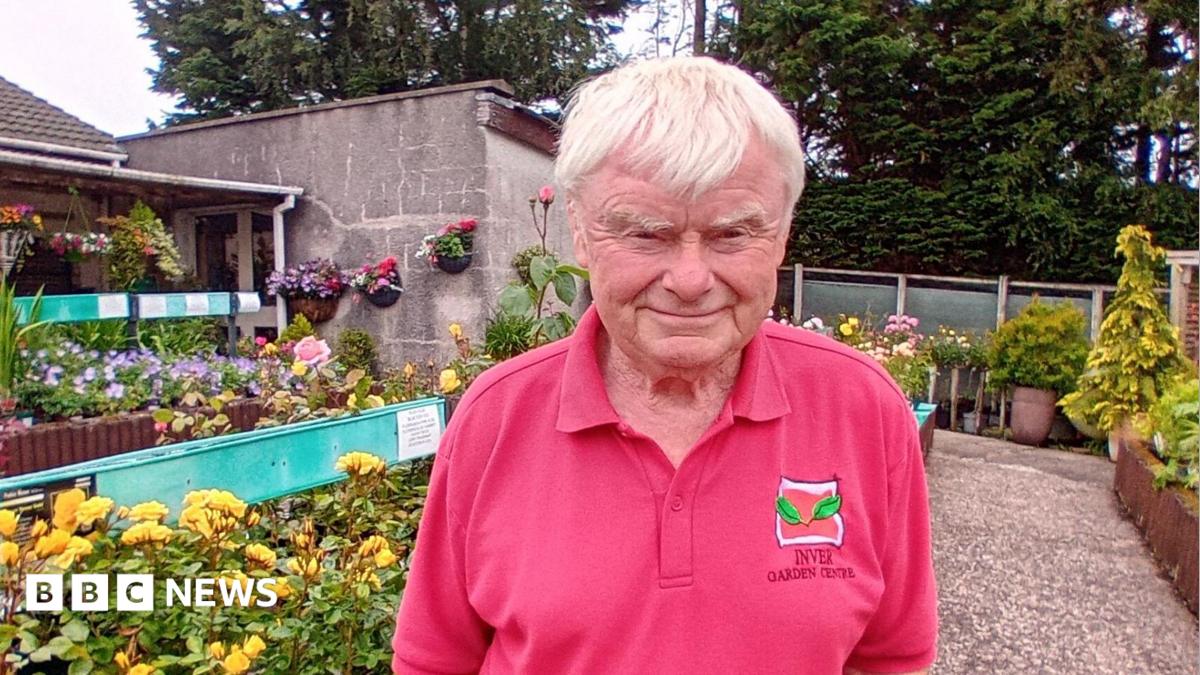
The BBC highlighted contrasting experiences in two port towns. In Larne, garden centre owner John Shannon must now pay a £387 "export charge" just to bring in roses from Great Britain. He often drives his own van to England to pick up stock and avoid paperwork frustrations faced by hauliers.
In Warrenpoint, food manufacturer Brian Reid has seen a different reality. "Off the back of the Brexit vote, we picked up a lot of customers who wanted to source on the island of Ireland," he told the BBC.
| Business | Location | Brexit Impact |
|---|---|---|
| John Shannon (Garden centre) | Larne | £387 export charge on goods from GB; increased paperwork |
| Brian Reid (Food manufacturing) | Warrenpoint | Gained customers sourcing on the island of Ireland |
Economic Performance and Underlying Factors
BBC reported that Northern Ireland's economy has outperformed the UK average on some key measures over the decade since the referendum. It cautioned against attributing this solely to the special deal, noting that part of the story is a delayed recovery from a deeper and longer recession following the 2008 financial crisis and property crash.
Political and Structural Challenges
Brexit set the tone of Northern Ireland's politics for years, leading to the suspension of devolution between 2022 and 2024. BBC described the impacts as "divisive and contested." The new trade border remains a source of friction for businesses reliant on supply chains from Great Britain, while those with cross-border operations on the island of Ireland have benefited.
The BBC's report underscores that Northern Ireland's economic divergence from the rest of the UK is not purely a Brexit story but reflects a complex interplay of trade policy, historical economic shocks, and political instability. For corporate strategists and investors, the region offers both opportunities and risks: dual market access can lower trade costs with the EU, but the administrative burden and political uncertainty may offset gains for firms with significant GB exposure.
BBC reporting by John Campbell.
Sources: