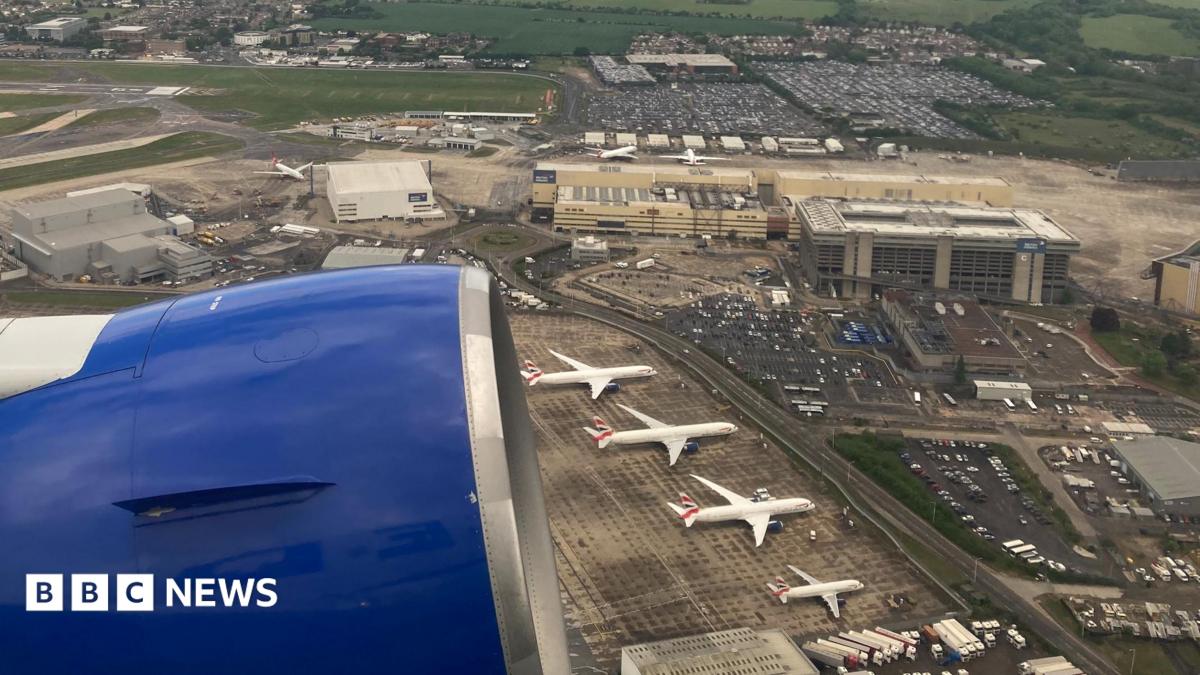
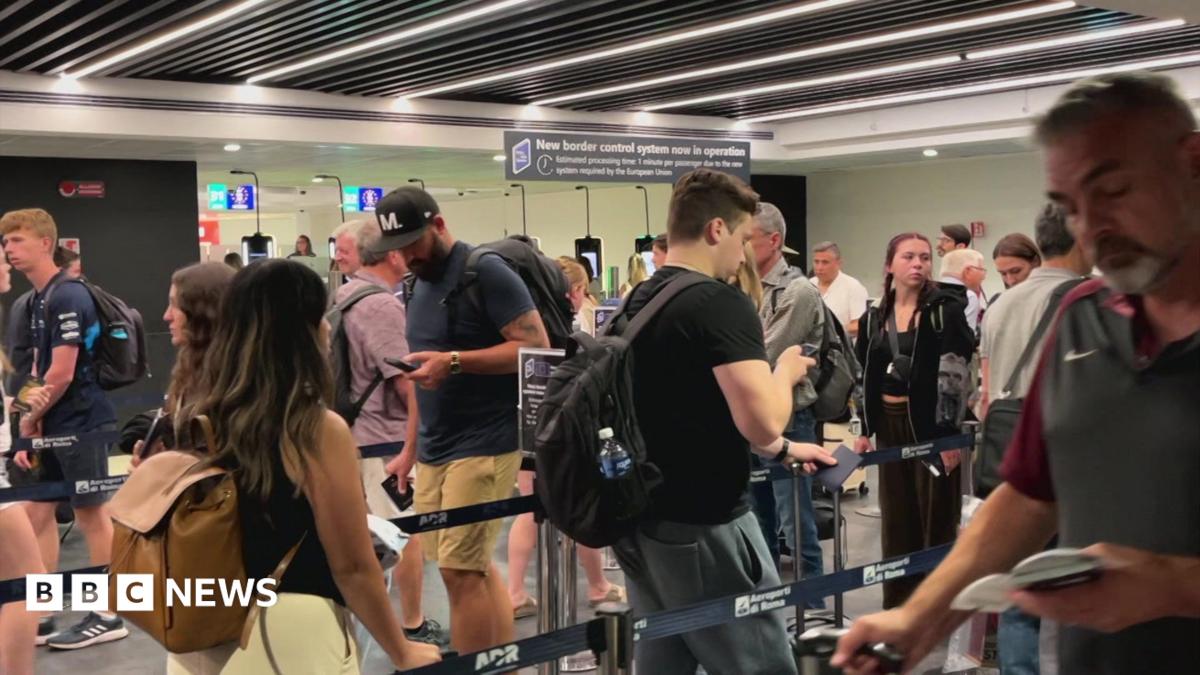
Package holidays to Dubai and Egypt have become significantly cheaper this summer as tour operators slash prices to lure UK tourists spooked by the war in Iran, according to data from TravelSupermarket compiled for the BBC. At the same time, popular European destinations such as Spain, Portugal, and Greece have seen prices creep up by 3-5%.
Price Drops for Middle East and North Africa
The average cost of an all-inclusive seven-night family stay in the United Arab Emirates (UAE) this August has dropped by 25% compared with last year, the data shows. Similarly, a package holiday to Egypt is 8% cheaper. Other destinations have also seen price declines: Morocco is down 6.5%, Tunisia 2.5%, and Turkey 1.6% cheaper than last summer.
| Destination | Year-on-Year Price Change |
|---|---|
| UAE (Dubai) | -25% |
| Egypt | -8% |
| Morocco | -6.5% |
| Tunisia | -2.5% |
| Turkey | -1.6% |
European Destinations Continue to Rise
While Middle Eastern and North African holidays have become more affordable, European package deals have edged higher. The cost of an average all-inclusive seven-night family stay this August to Spain is up by 4% to £155 per person. Portugal has risen 3%, and Greece has seen a 5% increase. For a family of four, the extra cost for a Spanish holiday could be up to £160 compared to last year, bringing the total to as much as £4,340.
The figures are based on online searches made on TravelSupermarket from 18 April to 17 June for all-inclusive seven-night stays.
War in Iran Drives Travel Behaviour
The price shifts are directly linked to the war in Iran, which has made UK holidaymakers reluctant to travel to countries near the conflict or through Middle Eastern airspace, instead choosing to stay in Europe. Mollie Hitchen, assistant manager of Marple Travel Hyde, said customers were more nervous this year about going anywhere near the Middle East or getting stuck abroad because of fuel shortages. "People will ask questions, but we just reassure people that there is absolutely no problems with those destinations," she told the BBC.
Last month, the Foreign Office dropped its advice against travelling to Dubai after the US and Iran reached an agreement to stop the war, but warned British citizens that "the situation remains unpredictable" in the region.
Consumer Impact
Tim Harris and his wife Natalie from Swansea had booked a holiday to Dubai with their two teenage daughters this summer, but when the Iran war broke out they cancelled and lost their deposit. They later booked a package for £6,400 to Mexico. "We did manage to find a package for £6,400 for all-inclusive in Mexico which we've booked," he said.
Flora Badger, who is taking three teenage girls on their first holiday abroad, shared her frustrations watching prices fluctuate. She initially considered booking in April to avoid expensive summer months but held off due to the Middle East situation and fears of getting stuck. She ended up booking a trip to Lanzarote in September. "Price was a huge, huge issue," she said. "It's very frustrating how much it increases in the school holidays."
Implications for Travel Industry
The pricing dynamics highlight the sensitivity of package holiday demand to geopolitical risks. Tour operators have responded by discounting destinations perceived as riskier, while European resorts benefit from captive demand. For investors, the data suggests that companies with significant exposure to Middle Eastern markets may face margin pressure, while those focused on Europe could see revenue gains. TravelSupermarket's data provides a real-time snapshot of consumer search behaviour and pricing trends, valuable for analysts tracking the sector.
The next milestone to watch is the upcoming school holiday booking season and whether further geopolitical developments shift demand patterns.