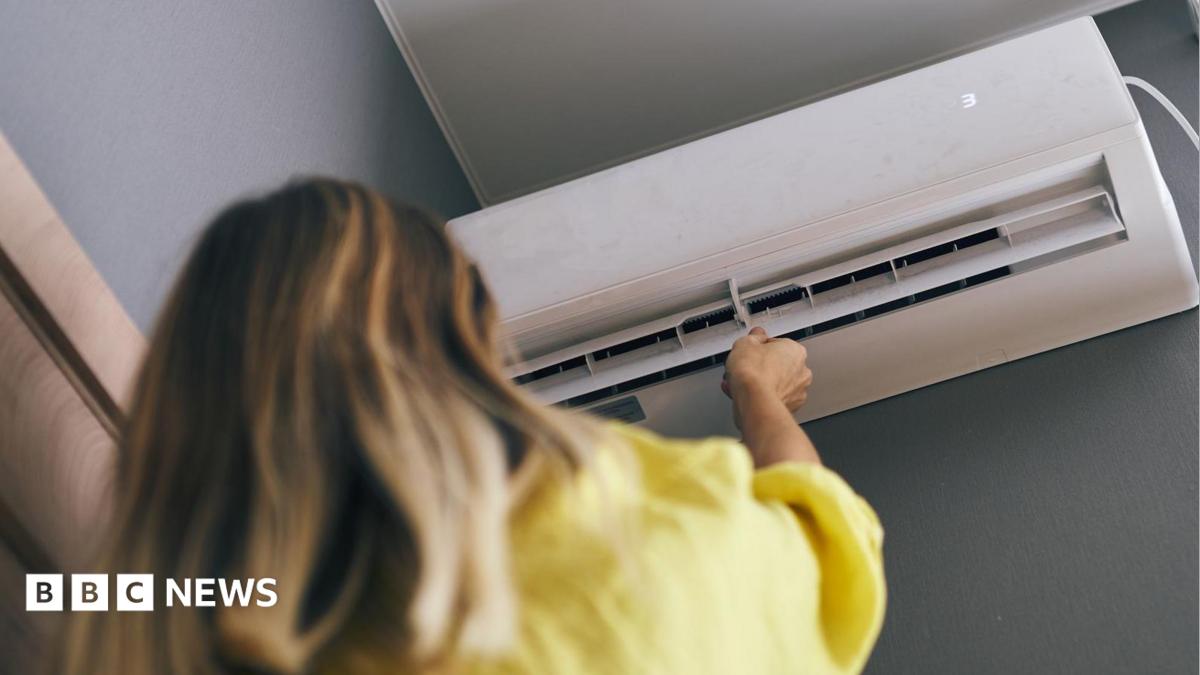
Record temperatures during the current UK heatwave have triggered a surge in home air conditioning inquiries, with installers reporting demand rising as much as 300% over the past six years. Companies are fully booked for weeks, and some staff are working seven-day weeks to meet customer requests for immediate cooling.
According to the BBC, a fifth of homes in the UK currently have air conditioning, though a separate estimate from the University of Reading puts the figure at 4% of homes in England. The discrepancy highlights the rapid adoption of cooling technology in recent years.
Surge in Domestic Inquiries
Aircon Services in Tamworth, a company that specialises in air conditioning installations, reported a 300% increase in domestic inquiries over the last six years. Co-founder Marc Newbold noted that people are no longer willing to tolerate the heat, viewing air conditioning as a necessity rather than a luxury.
“The phone doesn't stop ringing from 08:00 to 20:00 as people look for last minute, same day air-con units,” said Jasheem Benson, who runs Aervue Air Conditioning in Birmingham. His business has seen sales double since March, and staff now work seven days a week, visiting around five homes daily. Benson urged customers to “be patient” as his company is fully booked until the end of August.
| Company | Location | Key Metrics |
|---|---|---|
| Aircon Services | Tamworth | Domestic inquiries up 300% over six years |
| Aervue Air Conditioning | Birmingham | Sales doubled since March; fully booked until end of August |
Cost and Long-Term Perspective
Installing air conditioning for a small bedroom costs about £1,500, Newbold said, with customers viewing it as an investment in comfort. The units are designed to last 15 years, making them a long-term purchase rather than a one-year fix. For whole-home systems, Aervue quotes costs up to £6,500.
Both companies also serve commercial clients—hotels, shops, and offices—but the domestic segment is driving the current boom.
Heat Risk and Inequality
The National Housing Federation (NHF) warned that 90% of UK homes will overheat during summer by 2050. Overheating occurs when indoor temperatures exceed 25°C to 27°C. Homes in the UK were historically designed to retain heat, leaving them vulnerable during more frequent heatwaves.
The NHF highlighted that lower-income households are disproportionately affected, as they may not afford cooling measures. Prolonged exposure to high indoor temperatures is linked to heat exhaustion, cardiovascular issues, sleep disturbance, and mental health problems.
As the red extreme-heat warning continues to disrupt schools and transport, the demand for home cooling shows no sign of abating. Installers expect the trend to persist, with Benson advising, “The heat is staying regardless and it will be the same next year, so people need to get prepped and book ahead.”
Sources: