A growing number of US business owners approaching retirement are choosing to sell their companies to their employees, a shift that is reshaping small-business succession. The trend, which some analysts call a "silver tsunami," is driven by the impending retirement of baby boomer owners of about six million American small and medium-sized companies between now and 2035, according to a 2025 report from McKinsey. The consulting firm described this as "a once-in-a-generation wave of ownership transitions."
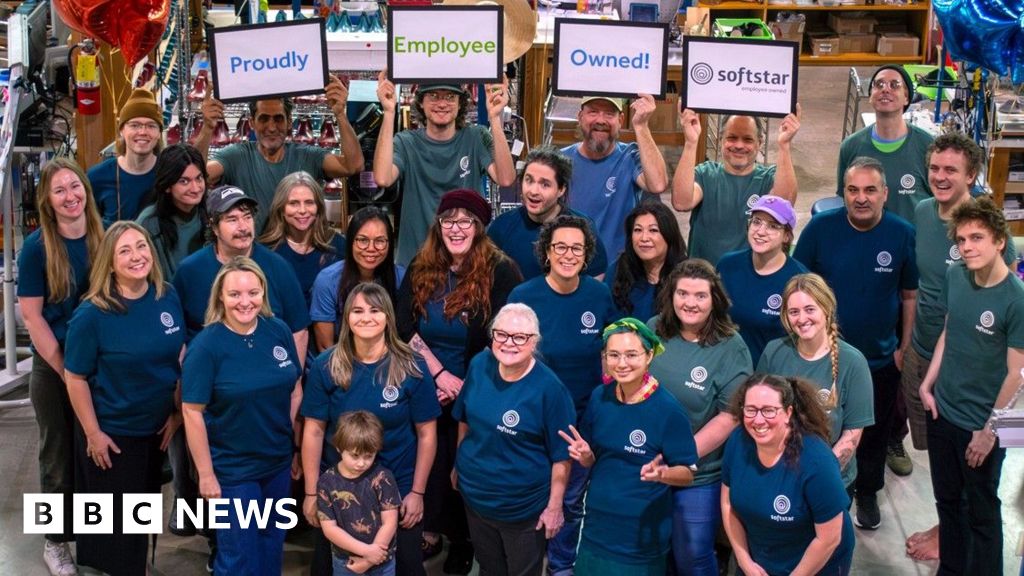
One company that has gone down this path is Softstar Shoes, an Oregon-based artisan shoemaker. In January 2026, its 30-strong workforce became the owners of the business. Former sole owner and chief executive Tricia Salcido, who at age 56 is planning for retirement, sold the company to the employees using an Employee Ownership Trust (EOT). Salcido is staying on as chief financial officer for a few years. "I'm getting personal emails from employees saying, 'well, have you thought about this idea?'" she said. "These are business insights that weren't forthcoming before!"
The Silver Tsunami
The retirement of baby boomer business owners is creating a vast pipeline of companies seeking new ownership. McKinsey’s report notes that this will result in a massive transfer of businesses. Ethan Rouen, associate professor at Harvard Business School, commented: "I don't think a week goes by where I don't talk to an owner who is looking to sell their business." He added that the owners' grown-up children often are not interested in taking over the family venture.
Data from a 2025 study cited in the source indicates that up to 600 US firms are now being sold to their workers per year. Investment funds available to help finance such deals rose 78% to $865m in 2025, up from $500m in 2024, signalling a growing infrastructure to support employee ownership.
Why Sell to Employees?
For many owners, the decision to sell to staff is driven by a desire to preserve local jobs and company culture. Salcido said she was convinced that a sale to a cost-cutting corporate buyer would have resulted in her firm's artisan shoemaking being moved out of the US. "It's something you put your life's work into… most small business owners really care," she noted.
William Stockwell, owner of Philadelphia-based manufacturer Stockwell Elastomerics (founded in 1919 by his great-grandfather), sold to his employees after witnessing what happened to other firms that were bought by outside owners. "The new [outside] ownership might move the business, they might shut it down, or drastically change it in other ways, and the people remaining are stuck," he said.
Research shows that employee-owned companies can be more productive, less likely to make staff redundant, and pay higher wages, according to the source. This aligns with the observations at Softstar Shoes, where staff have shown a "newfound enthusiasm for eking out resources and growing profits."
| Metric | 2024 | 2025 | Change |
|---|---|---|---|
| Investment funds for employee-ownership deals | $500m | $865m | +78% |
| Firms sold to workers per year | – | Up to 600 | – |
| Baby boomer-owned firms to retire by 2035 | – | ~6 million | – |
The Deal Structures
Various schemes exist for employee buyouts. Softstar Shoes used an Employee Ownership Trust (EOT), where a trust takes ownership on behalf of staff, removing the need for employees to buy the business directly from their own pockets. Harvard’s Rouen and his colleagues believe such a switch to employee ownership could help many firms survive, particularly when owners care deeply about their workforce and worry about the consequences of a sale to a larger company or private equity firm.
The trend is still small but accelerating. As more baby boomers retire over the next decade, the number of employee-owned companies is expected to rise, backed by growing pools of dedicated financing.
Sources: