BlackRock, the world's largest asset manager with over $14 trillion in assets under management, has stated that India's equity market has been "over-punished" for lacking a direct artificial intelligence (AI) play and for its exposure to rising oil prices, according to a Reuters report published on Wednesday. The comments come as India, the third-largest oil importer globally, faces headwinds from the Iran war, which has pushed up oil and gas prices, weakened the rupee, and increased concerns over supply disruptions.
Oil Prices and Foreign Outflows: Trade-Weighted Concerns
India's status as the world's third-largest oil importer makes it acutely sensitive to crude price spikes. The Iran war has driven oil and gas prices higher, according to BlackRock, which in turn has weakened the Indian rupee and intensified concerns over broader supply chain disruptions. So far in 2026, the benchmark Nifty 50 and Sensex have declined 11% and 13% respectively, reflecting foreign portfolio outflows that have been described as record-setting.
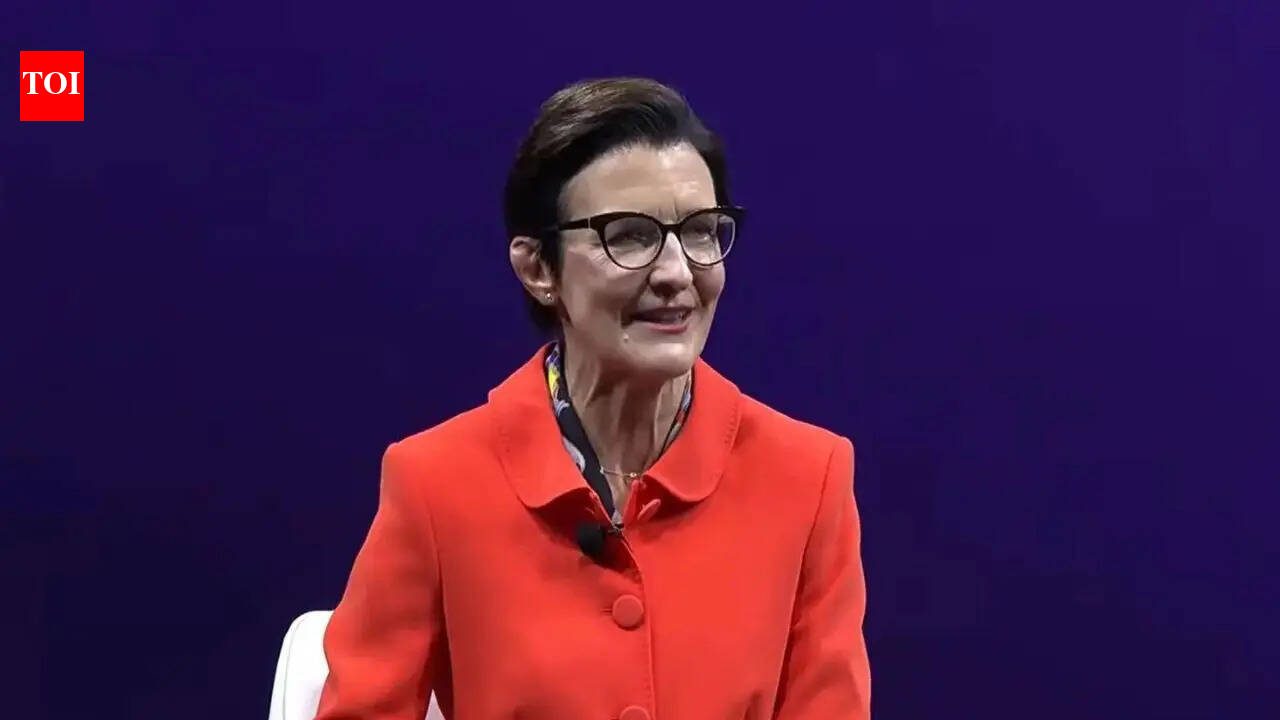
Despite these headwinds, Natasha Sarkaria, BlackRock's EMEA investment strategy lead of wealth, told Reuters that the market rotation away from India has been excessive. "As long as there is momentum behind keeping inflation under control and enough growth to absorb a tougher oil environment, that's okay for us," she said.
| Indicator | Value (2026) |
|---|---|
| India GDP growth (March quarter) | 7.8% |
| RBI FY27 GDP forecast | 6.6%–6.9% |
| Nifty 50 YTD decline | 11% |
| Sensex YTD decline | 13% |
Investor Sentiment as a Proxy for Trade Confidence
Foreign direct and portfolio investment often tracks the same macroeconomic fundamentals that influence trade flows — currency stability, inflation control, and infrastructure development. BlackRock highlighted that India's favourable demographics, infrastructure building, and financial sector strength underpin its medium- to long-term emergence as a top emerging market opportunity, even if direct AI themes are less prominent. "It doesn't mean there are no derivative AI stories in India," Sarkaria added.
The Reserve Bank of India (RBI) has announced measures aimed at supporting the rupee amid rising oil costs and continued foreign fund outflows. Meanwhile, India's economy expanded 7.8% in the fiscal fourth quarter (January–March 2026), beating expectations, though the RBI recently trimmed its FY27 growth forecast to 6.6%–6.9%.
Sectoral Favourites with Trade Relevance
BlackRock remains positive on Indian financials, industrials, materials, utilities, and consumer discretionary stocks. Among these, the financial sector is particularly favoured due to strong domestic credit growth, attractive valuations, and potential support from recent RBI policy moves. These sectors are directly linked to trade: industrials and materials depend on imported raw materials and machinery, while consumer discretionary reflects import demand for finished goods.
Sarkaria cautioned that markets could remain volatile in the near term as higher oil prices, a weaker rupee, and rising input costs affect corporate profitability over the next two quarters. However, BlackRock expects low double-digit earnings growth for the MSCI India index this year.
What to Watch
Trade executives should monitor the trajectory of crude oil prices and the rupee's exchange rate, as these directly impact import costs and export competitiveness. The RBI's ability to stabilise the rupee and the government's fiscal response to the oil price shock will be critical. Additionally, foreign portfolio flows into Indian equities will serve as a leading indicator of investor confidence, which often precedes shifts in trade and investment commitments.
Sources: