SpaceX joined the ranks of the world's most valuable companies after its stock market debut sent its valuation above $2 trillion, according to an ET report. The company raised $75 billion in the largest initial public offering ever and began trading under the ticker SPCX at $150 per share, an 11% premium to its IPO price of $135.
IPO Performance and Market Cap
The stock surged as high as $176.52 during the session before closing at $160.95, a gain of nearly 19% from the offer price. According to Companies Marketcap data, the rally lifted SpaceX into seventh place among the world's most valuable listed companies. With a market value of about $2.1 trillion at Friday's close, SpaceX now sits just behind Taiwan Semiconductor Manufacturing Co. (TSMC), which is valued at $2.9 trillion.
After-hours trading extended the gains, with shares rising close to 3.5% to $166.76 as of 6:30 pm ET, adding another $80 billion to the company's market capitalisation and taking it to around $2.2 trillion.
World's Most Valuable Companies (Market Cap)
The following table shows the top seven most valuable listed companies as of Friday's close, according to Companies Marketcap data:
| Rank | Company | Market Capitalisation (USD) |
|---|---|---|
| 1 | Nvidia | $4.72 trillion |
| 2 | Alphabet | $4.15 trillion |
| 3 | Apple | $4.06 trillion |
| 4 | Microsoft | $2.76 trillion |
| 5 | Amazon | $2.44 trillion |
| 6 | TSMC | $2.9 trillion |
| 7 | SpaceX | $2.1 trillion |
Investor Demand and Trading Frenzy
Investor demand was evident throughout the session. More than 500 million shares changed hands on debut, a figure that approached Facebook's first-day trading volume of about 580 million shares in 2012. The momentum continued after hours, with roughly 16 million shares traded in post-market activity.
The frenzy was fuelled not only by institutional investors but also by retail traders eager to gain exposure to one of Elon Musk's flagship companies. According to a CNBC report, data from VandaTrack showed SpaceX was the most-bought stock by retail traders on a net basis during Friday's session, while it was also among the most-discussed names on Reddit's WallStreetBets forum ahead of the listing.
Despite receiving a smaller-than-expected IPO allocation, retail investors piled into the stock on debut.
Musk Becomes World's First Trillionaire
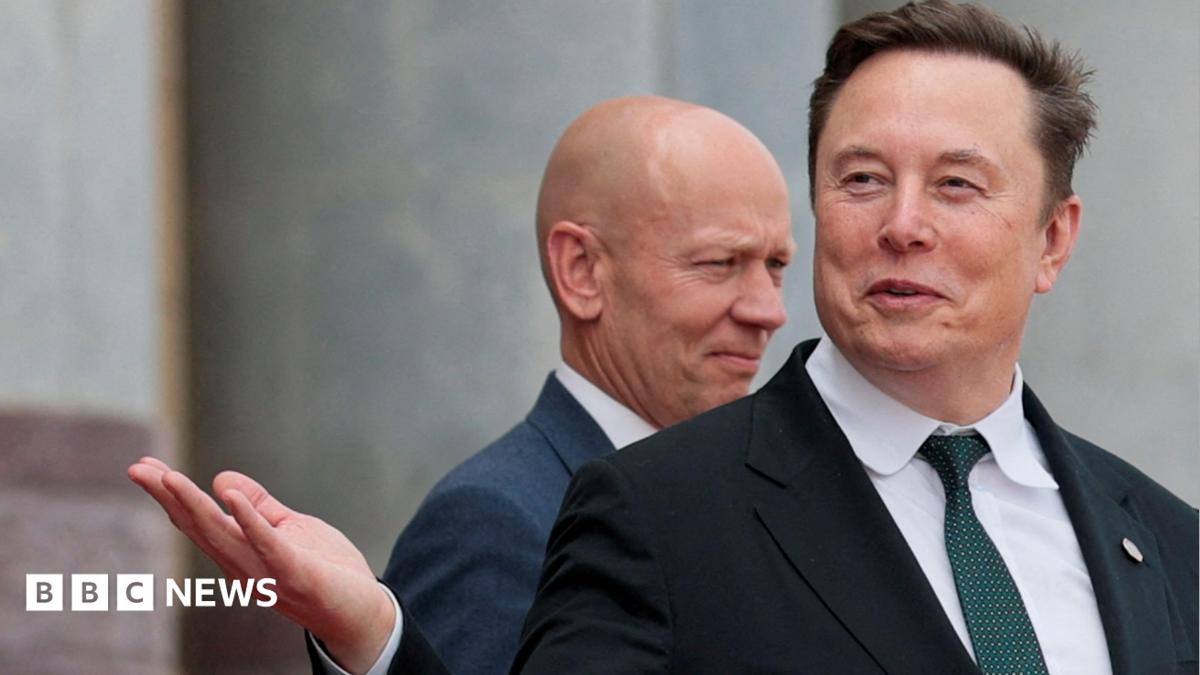
The blockbuster debut also marked a watershed moment for Musk personally. The surge in SpaceX shares pushed his net worth to $1.11 trillion, making him the world's first trillionaire according to the Bloomberg Billionaires Index. Musk's fortune now exceeds the combined wealth of Larry Page, Sergey Brin, Jeff Bezos, and Larry Ellison, whose combined net worth stands at $1.089 trillion.
Loss-Making but Future-Focused
What makes the enthusiasm particularly striking is that SpaceX remains loss-making. The company reported 2025 revenue of $18.67 billion and a net loss of $4.94 billion. Investors, however, appear focused on future opportunities across satellite broadband, launch services, defence contracts, and AI-related businesses rather than current profitability.
Musk is expected to retain effective control of SpaceX following the IPO. Regulatory filings show he will hold about 82.4% of voting rights through Class B shares, which carry 10 votes per share. Public investors will own Class A shares that carry one vote per share.
Implications for Trade Executives
For international trade executives, SpaceX's valuation and massive capital raise signal strong investor confidence in space-related industries, which could drive increased demand for satellite components, launch vehicles, and related services across global supply chains. The company's ability to finance ambitious projects may also influence competition and partnerships in the space sector, potentially affecting import/export patterns for high-tech equipment and materials. While the direct trade data is not yet available, the financial strength of a key player like SpaceX often precedes expanded international contracts and cross-border collaborations.
What to watch: Future quarterly earnings reports and SpaceX's contract announcements for defence and satellite broadband services, which could provide clearer indicators of trade flows in the space economy.
Sources: