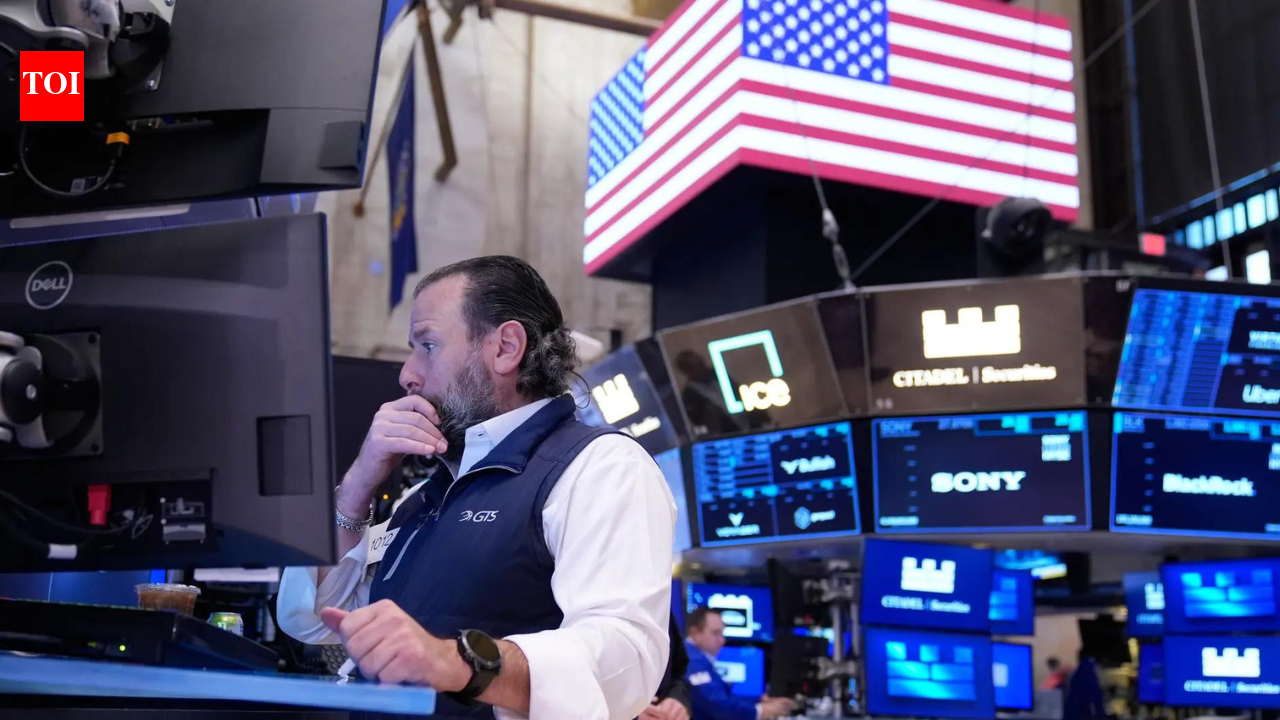
Wall Street staged a broad recovery on Thursday and Friday, powered by a rebound in artificial intelligence (AI) stocks and a sharp drop in oil prices after the US softened its stance on Iran. The S&P 500 rose 0.5% on Thursday and another 0.6% on Friday, while the Dow Jones Industrial Average gained 326 points (0.7%) on Thursday and 480 points (1%) on Friday, according to Business-Today. The Nasdaq Composite added 0.7% on Thursday and 0.4% on Friday.
AI stocks rally but Oracle plunges on $40B debt plan
Technology shares led the rebound. Marvell Technology climbed 5.5% on Thursday, while chipmakers Intel and Applied Materials jumped 7.8% and 7.5%, respectively, Business-Today reported. However, not all AI-linked names benefited. Oracle plunged more than 10% on Thursday after outlining plans to raise nearly $40 billion through debt and equity issuance to fund AI-related investments, despite reporting stronger-than-expected quarterly earnings. The selloff reflects growing investor skepticism about whether massive AI spending will translate into profits and productivity gains, according to Business-Today.
On Friday, Broadcom fell 1%, becoming one of the bigger drags on the S&P 500, while Adobe declined 6.5% despite beating quarterly profit and revenue expectations. Adobe's stock has fallen 42% so far this year. The company also disclosed that its chief financial officer will leave on Monday and is searching for a successor to CEO Shantanu Narayen, who said in March he would step down after 18 years at the helm, Business-Today reported.
Oil prices swing as Iran tensions escalate and ease
Crude oil markets experienced sharp swings. On Thursday, Brent crude slipped 0.5% to $92.64 per barrel, while US crude edged up 0.3% to $90.29 per barrel, amid renewed hostilities after a US Apache helicopter was downed near the Strait of Hormuz. President Donald Trump warned Iran it would be hit "very hard" and said he could assume "total control" of Iran's oil and gas markets, Business-Today reported. Diplomatic efforts between Iranian and European officials continued.
By Friday, sentiment flipped after Trump withdrew his threat to launch strikes on Iran and suggested a potential deal with Tehran could be near. Brent crude tumbled 3.1% to $87.58 per barrel, extending weekly losses. A settlement could reopen the Strait of Hormuz, which had been nearly closed since the conflict began, pushing Brent from roughly $70 per barrel and fueling global inflation, Business-Today reported. Investors remained cautious, noting markets have repeatedly rallied on hopes of a resolution only to reverse when expectations were not met.
SpaceX debut tests AI appetite
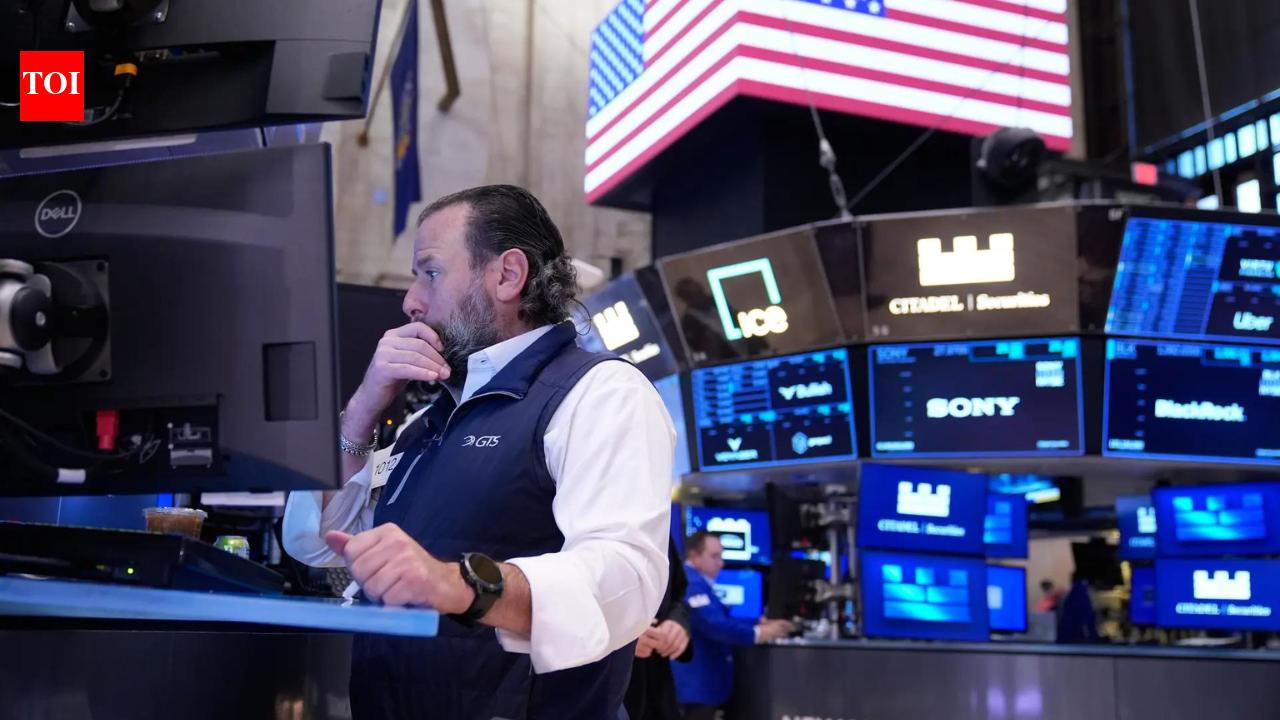
The larger focus for Wall Street was the highly anticipated market debut of SpaceX on the Nasdaq. Elon Musk's rocket company, which also has significant AI investments, had accumulated $29.1 billion in debt as of the end of March. If the stock holds its offering price, SpaceX would command a market value of $1.77 trillion, placing it close to Broadcom and Meta Platforms, the sixth and seventh most valuable companies on Wall Street, according to Business-Today. Some market participants believe money is being rotated out of existing AI stocks into upcoming IPOs like SpaceX.
Central banks and inflation in focus
Markets also digested economic data and central bank decisions. A US wholesale inflation report on Thursday showed producer prices increased more than expected in May, Business-Today reported, citing AP. The European Central Bank raised interest rates by 25 basis points to 2.25% on Thursday — its first rate hike in nearly three years. ECB President Christine Lagarde described the decision as unanimous and said policymakers were not pre-committing to any specific rate path.
Meanwhile, the yield on the 10-year US Treasury note rose to 4.48% on Friday from 4.45% late Thursday, recovering after oil prices dropped. Higher bond yields can weigh on economic activity and pressure valuations, particularly for expensive assets that some critics argue have entered bubble territory, Business-Today noted. Investors expect the US Federal Reserve to keep rates unchanged at its policy