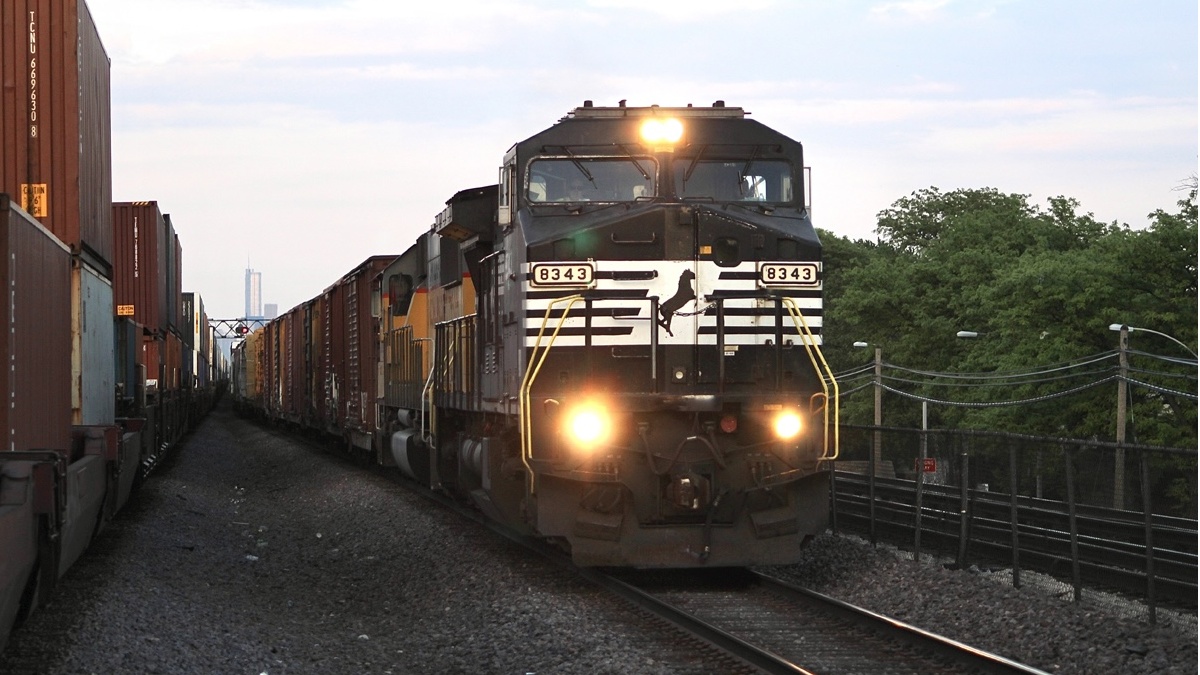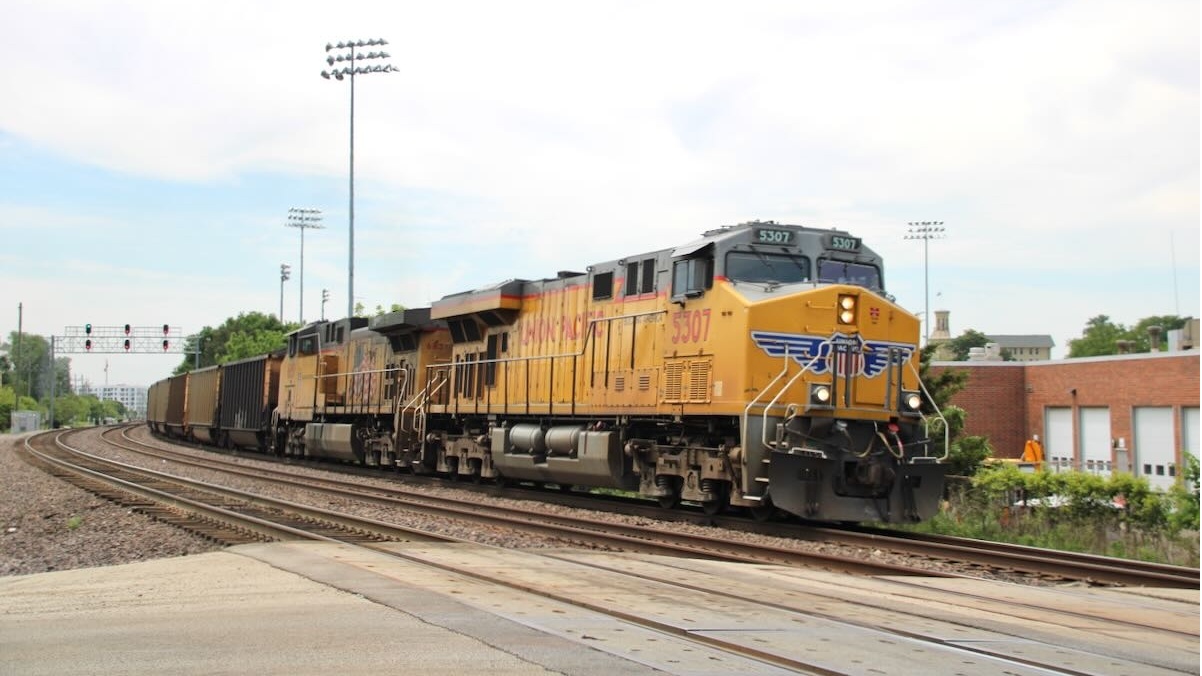
Union Pacific (NYSE: UNP) Chief Executive Jim Vena has flatly rejected the idea of the federal government taking an equity stake in the railroad as part of its proposed $85 billion merger with Norfolk Southern (NYSE: NSC). In an interview with CNBC, Vena stated, “We’re a company that can afford to handle what the price is for this deal, and we do not need anybody’s help to do this.”
Government Investment Possibility Raised by Trump
President Donald Trump had raised the possibility of the government acquiring a stake in the railroad in a May interview with Fortune magazine. Trump discussed his view on having the government take equity stakes in companies essential to the nation, and while he mentioned a railroad merger, he did not name Union Pacific or Norfolk Southern directly, according to FreightWaves.
Vena, however, interpreted Trump’s apparent interest as a positive signal. “I find it comforting that the president of the United States looked at what we’re doing and says, ‘Son of a gun, this is a good business, a good business move, strong, and I’d like to invest,’” Vena said. However, he emphasized he had not had any direct communication with Trump about the government becoming a partner.
US Government’s Recent Equity Stakes
Since January 2025, the United States has invested almost $21 billion across 16 deals involving direct ownership stakes, according to the Council on Foreign Relations. These include:
| Deal | Stake Detail |
|---|---|
| Intel (NASDAQ: INTC) | 10% stake |
| Nippon Steel’s acquisition of U.S. Steel | Golden share with veto rights |
| Westinghouse (nuclear power) | Future IPO trigger and option to buy |
Vena’s Meeting with Trump
Vena met with Trump in September 2025 regarding the merger. The White House said the CEO had offered advice about using the National Guard to fight crime. Trump subsequently announced his support for the merger, according to FreightWaves.
Implications for the Deal
Vena’s rejection of government investment underscores Union Pacific’s confidence in its financial strength and ability to complete the transaction independently. For investors and analysts tracking the railroad sector, the lack of government involvement removes a layer of potential regulatory complexity, but the merger still faces standard antitrust review. The deal, valued at $85 billion, would combine two of the largest U.S. freight railroads, reshaping the competitive landscape. The next milestone is the expected regulatory decision, with both companies aiming for a close in 2027.
Sources: