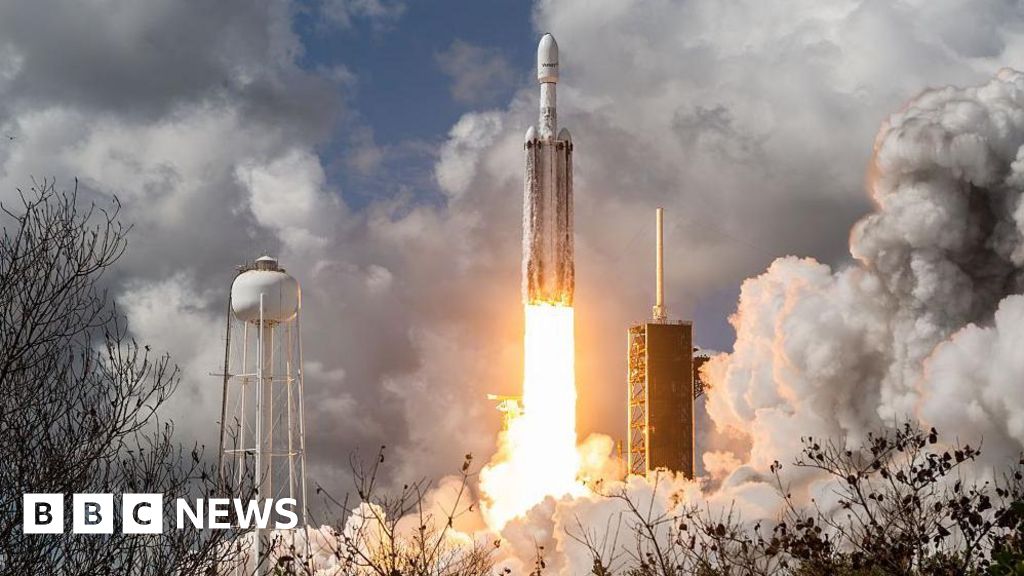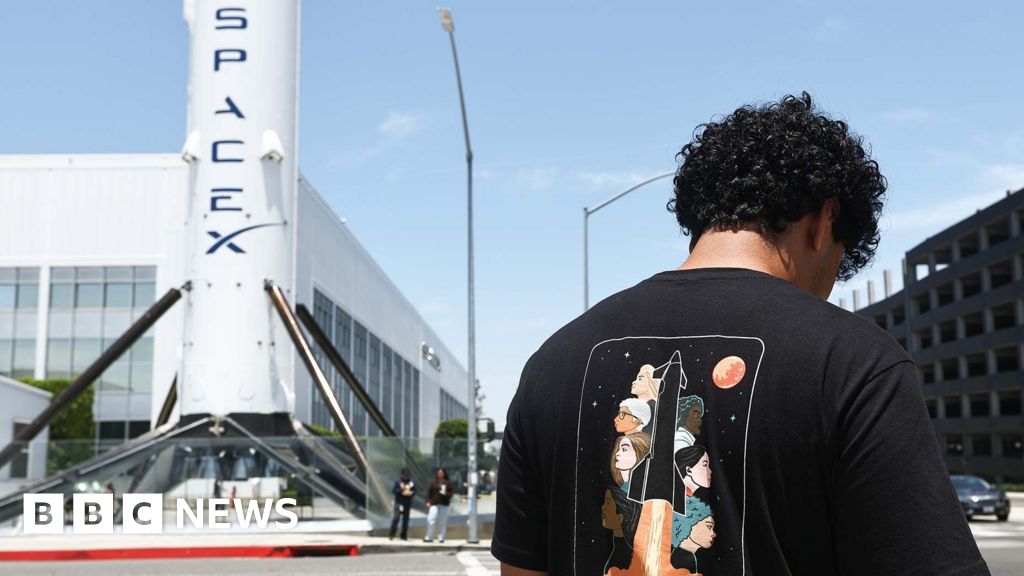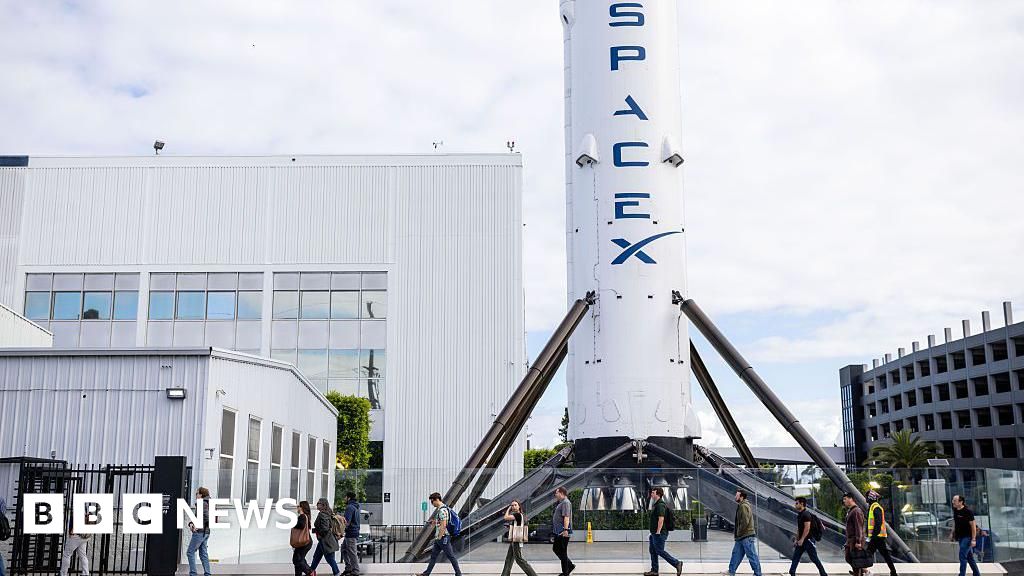
SpaceX, the private aerospace company founded by Elon Musk, is set to make its long-awaited Wall Street debut on Friday in what analysts expect to be the largest initial public offering in history. The company is aiming to raise $75 billion through the IPO, with an offer price of $135 per share, valuing the rocket and satellite company at approximately $1.77 trillion (nearly $1.8tn, according to the BBC).
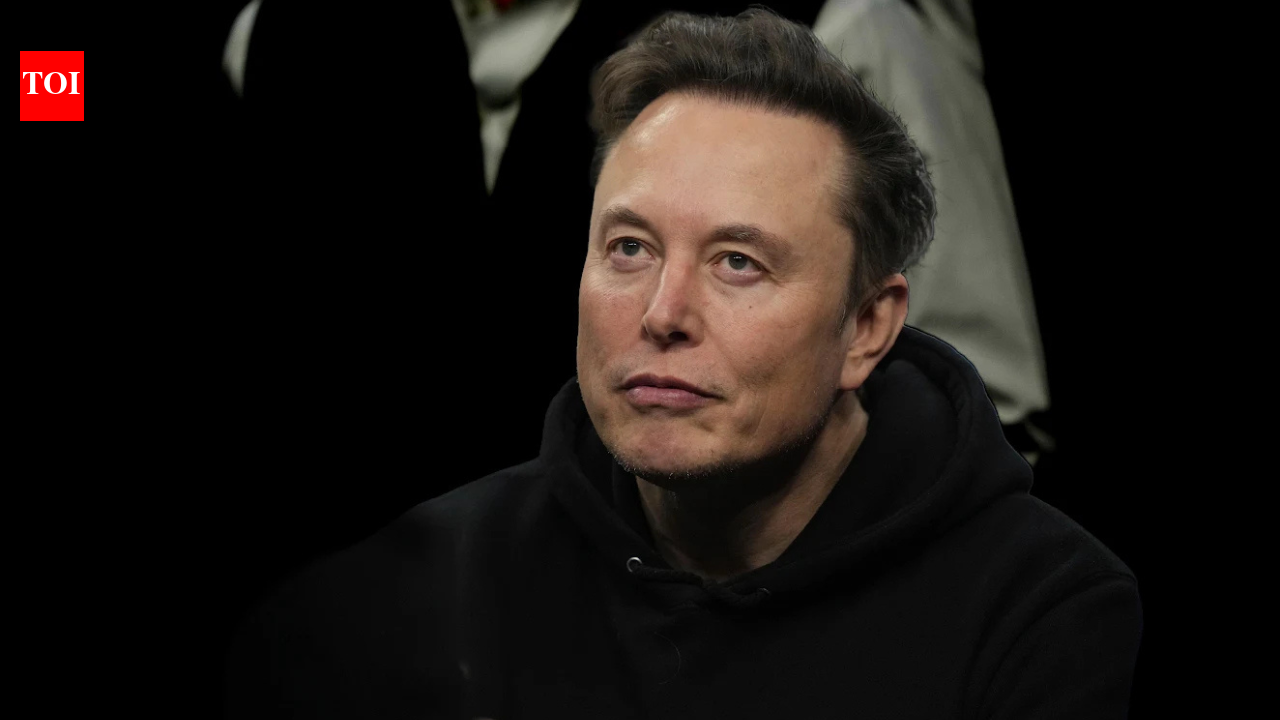
If the listing goes as planned, Musk's personal fortune could surge into territory no individual has ever occupied. According to the Bloomberg Billionaires Index, Musk is currently worth about $716 billion, of which approximately $542 billion comes from his stake in SpaceX. However, the move from private markets to public markets could significantly boost the value of those holdings.
IPO Details and Musk's Controlling Stake
SpaceX, formally known as Space Exploration Technologies Corp, is expected to price the IPO on June 11 and begin trading on June 12, according to Business Today. Regulatory filings show that Musk is not selling any shares as part of the offering and will continue to control the company after it goes public. He will retain about 82.4% of the voting power through a special class of shares.
| Key IPO Metric | Value |
|---|---|
| Funds to be raised | $75 billion |
| Offer price per share | $135 |
| Implied valuation | $1.77 trillion |
| Expected pricing date | June 11, 2026 |
| Expected trading start | June 12, 2026 |
| Musk's voting power post-IPO | 82.4% |
The Path to Trillionaire Status
The biggest catalyst behind Musk potentially crossing the trillion-dollar mark is SpaceX. According to a CNN report cited by Business Today, Musk already owns roughly $273 billion worth of Tesla stock and options. If SpaceX lists at its targeted valuation, his stake in the company could be worth around $841 billion, given that he owns nearly half of the business. Combined, Musk's holdings in SpaceX and Tesla alone could total $1.11 trillion.
Various wealth trackers currently estimate Musk's net worth between roughly $800 billion and $850 billion, far ahead of any rival. To illustrate the trajectory of his wealth, consider the following milestones reported by Business Today:
| Year | Estimated Net Worth |
|---|---|
| 2012 | $2 billion |
| 2020 | $27 billion |
| 2021 | $300 billion (first to cross this threshold) |
| Late 2025 | $600 billion |
| June 2026 | $716B (Bloomberg) to $850B (various trackers) |
Implications for Investors and the Market
The IPO is expected to be the highest-value stock listing in history, according to the BBC. Should shares sell at the suggested price or higher depending on market supply and demand, Musk will become the first trillionaire. The gap separating Musk from other members of the billionaire elite is so vast that he is effectively competing against himself. While other technology founders continue to accumulate wealth, Musk's financial position increasingly resembles a category of its own.
For C-suite executives and equity analysts, the SpaceX IPO represents a landmark event in capital markets. The size of the offering — $75 billion — dwarfs any previous IPO. The valuation of $1.77 trillion places SpaceX among the most valuable companies globally, surpassing many legacy corporations. The success of this listing could also signal investor appetite for high-growth space and technology companies, potentially influencing future IPOs in the sector.
Musk's Journey from Riches to Richest
A decade ago, in 2012, Musk appeared on the Forbes billionaires list with a net worth estimated at around $2 billion. At the time, Tesla was still proving electric vehicles could become mainstream, and SpaceX had only recently begun demonstrating that private companies could compete with government-backed space programs. By early 2020, his fortune had climbed to approximately $27 billion. What followed was one of the most dramatic wealth creation stories in modern history: Tesla's stock surge, the acquisition of Twitter (rebranded X), and private transactions involving SpaceX that boosted its valuation. Even periods of volatility failed to derail the overall upward trend.
As the IPO listing approaches, the question is no longer whether Musk will remain the richest person in the world, but whether he can become the first trillionaire. That possibility is now a tangible outcome dependent on market reception this Friday.
Sources: