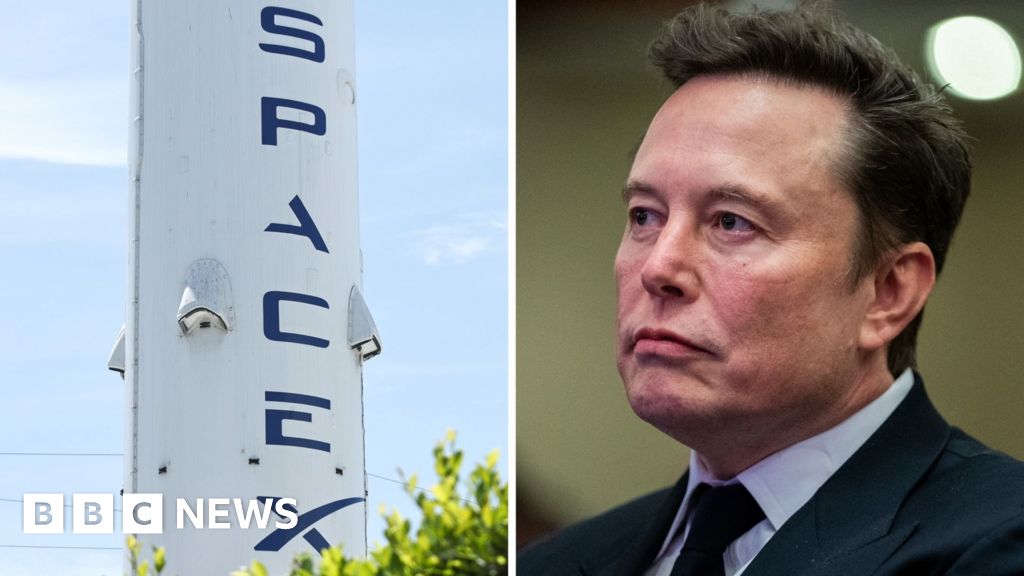
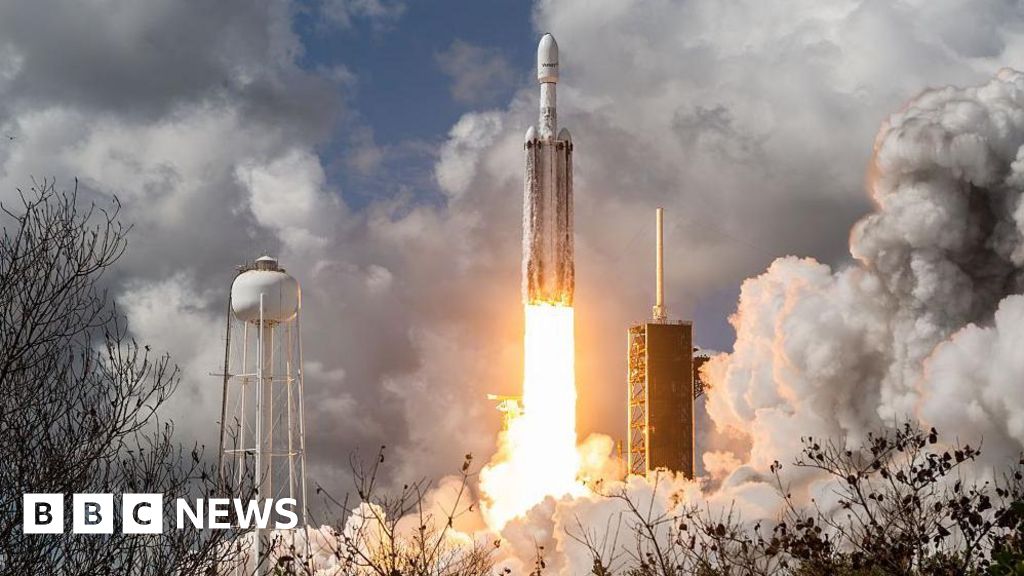
SpaceX raised $75 billion in its initial public offering this week, according to sources familiar with the deal, making it the largest IPO in history by a wide margin. The company, co-founded and led by Elon Musk, was valued at $1.75 trillion — nearly triple the previous IPO record. The offering attracted extraordinary demand, with Bloomberg reporting $100 billion in orders from retail investors alone, and BlackRock submitting a $5 billion order. However, as multiple analysts explained to WIRED, the path to profit for average investors is narrow.
"The system is unfair," says Campbell Harvey, a finance professor at Duke University’s Fuqua School of Business. Harvey and other experts detailed the mechanics of IPO allocations, which heavily favor institutional investors and insiders — even with SpaceX's unusually large retail set-aside.
The Record IPO and the Retail Investor's Reality
SpaceX indicated it would set aside 30 percent of its float — roughly $22.5 billion worth of shares — for retail investors. This is far more than the typical 5–10 percent for most IPOs, according to Fidelity. Additionally, brokers like Fidelity lowered their minimum household asset requirement for participating in the SpaceX IPO to $2,000, down from the usual $100,000 or $500,000. Yet the sheer volume of demand means most individuals will get very few shares.
"The average investor gets the leftovers," says Harvey. He notes that because SpaceX is only selling 4 percent of its available shares, retail investors will ultimately own just over 1 percent of the company after the IPO. "It’s a few crumbs." Matthew Kennedy, senior IPO market analyst at Renaissance Capital, agrees: "You might want to consider this a long-term investment." The IPO price was set at $135 per share, but once trading begins on the Nasdaq, the price is likely to rise, according to Jay Ritter of the University of Florida.
| Aspect | Typical IPO | SpaceX IPO |
|---|---|---|
| Retail allocation | 5–10% of float | 30% of float ($22.5B shares) |
| Fidelity minimum household assets | $100k – $500k | $2,000 |
| Total IPO proceeds | Varies | $75 billion |
| Orders from retail | Underwritten | $100 billion |
| Post-IPO retail ownership | < 1% | ~1% |
"An IPO share price often means getting in at the ground floor. I hesitate to say that for this company," says Kennedy. "A lot of the value has already been baked in and granted for existing shareholders."
Extreme Ownership and Governance: Musk's Unshakeable Control
The IPO also puts a spotlight on SpaceX’s unusual governance structure. Elon Musk holds 85.1 percent of the voting power, and most board members are his long-time allies. The only way he can be removed as CEO is if he votes to fire himself. Skeptical investors have called these provisions "novel and extreme" because they strip shareholders of oversight. The country’s biggest public pension funds urged Musk to surrender some control before the IPO, but he did not comply.

Rob Lalka, a business professor at Tulane University and author of The Venture Alchemists, says, "If you believe in free and fair markets, the will of the people should matter. The concentration of power is saying they know better than public markets." Yet to many inside SpaceX, this structure is the ultimate expression of the company's "extreme ownership" culture.
The Culture That Built SpaceX
"At SpaceX, you really own a product cradle to grave," says a former employee who started in 2009 and spent about six years there. "I knew if software didn’t work, it was my own damn fault." Brian Manning, a former engineer who now runs satellite company Xona Space Systems, recalls his first day: after a one-hour onboarding, he was told to design a small part by the next day. "The way I looked at it is having very clear responsibility, autonomy, and accountability," he says. Manning spent about two years at the company.
Laura Crabtree, who joined in 2009 as one of its first 600 employees and spent a decade there, believes the concept emerged because hires received equity — uncommon in traditional aerospace. "Being part owner made employees more invested," she says. Current job postings call for engineering hires to "demonstrate extreme ownership … from concept to delivery." Tom Mueller, SpaceX’s first employee and now CEO of Impulse, explains, "Responsible engineers own their failures and work with the people they need to work with to find solutions."
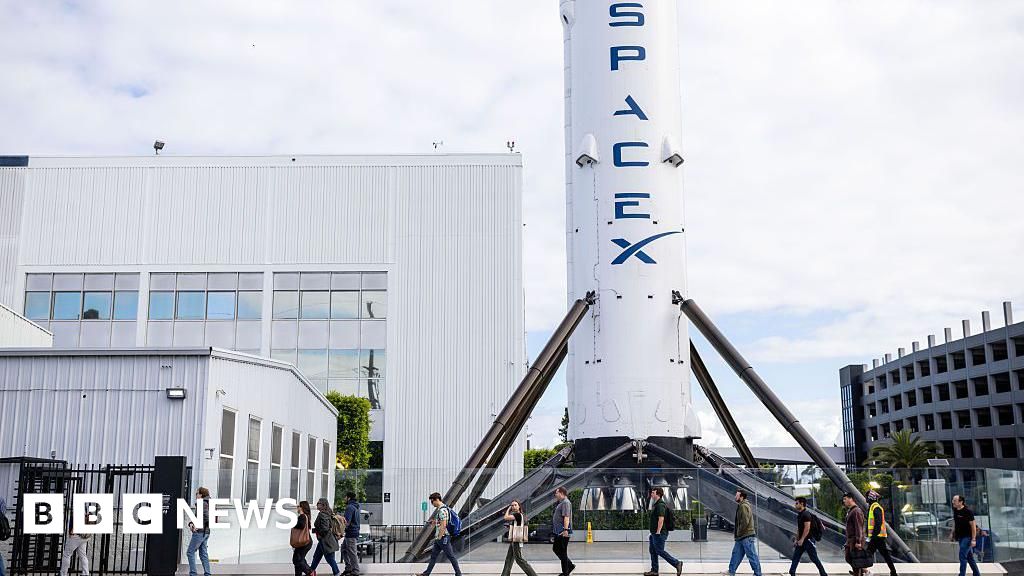
SpaceX now employs over 22,000 people, up from a handful in a Los Angeles–area warehouse in 2002. The culture allowed it to become the world’s most dominant rocket company and leading satellite internet provider, but it comes with risks.
Challenges Ahead
Despite its record IPO, SpaceX faces significant hurdles. Its recent acquisition of Musk's money-losing AI lab xAI has made the overall company unprofitable. The long-term goal of reaching Mars requires a more powerful rocket that has yet to be reliably operated. Greater competition and thornier government regulation are also on the horizon. If anything trips up SpaceX, extreme ownership means Musk will likely only have himself to blame.
What This Means for Investors
For C-suite executives and investors, the SpaceX IPO illustrates the tension between populist retail access and the mechanics of capital markets. While SpaceX has democratized IPO participation more than any preceding company, the reality remains that early employees, Musk, and large institutions will capture the vast majority of gains. The governance structure — with Musk holding near-absolute control — may appeal to those who believe in visionary leadership, but it also carries concentration risk. As the company navigates profitability issues and regulatory scrutiny, shareholders will have little say in how the ship is steered. The next milestone: the first day of trading on the Nasdaq, where the stock's performance will test whether the $1.75 trillion valuation holds.