
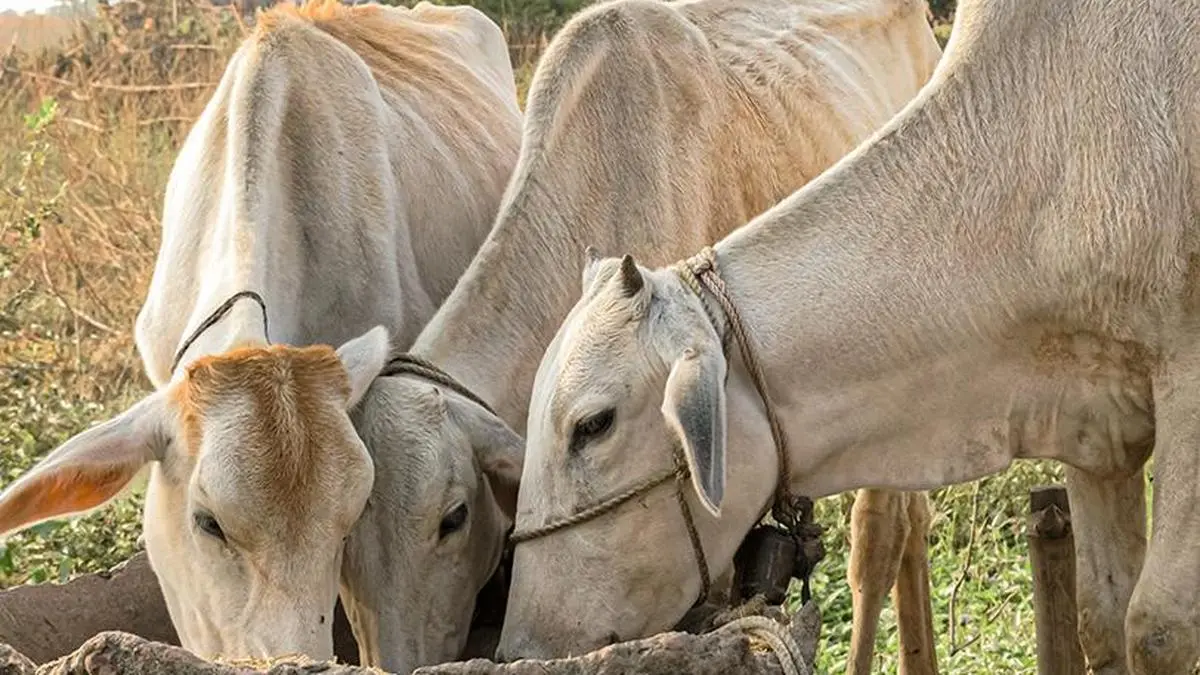
India, the world's largest dairy producer, is grappling with the impacts of extreme heat on its record milk production levels. Milk production reached a record 239 million tonnes in the 2023-24 fiscal year, marking a 64% increase over the past decade. However, rising temperatures are testing the resilience of this growth.
Heat Stress and Production Challenges
During the scorching summer months, temperatures in northern India, including areas near Delhi, have soared above 40 degrees Celsius. This extreme heat has led to significant challenges for dairy farmers like Neeraj Bharadwaj, who witnessed a 30% drop in milk production on his small farm. The National Dairy Research Institute (NDRI) highlights that heat stress reduces feed intake and diverts energy away from milk production and reproduction, particularly affecting high-yield cattle.
Economic Implications for Farmers
Farmers are incurring additional costs to mitigate heat stress. Bharadwaj invested approximately 200,000 rupees ($2,100) in cooling systems and ventilation for his cattle sheds, with annual maintenance costs adding another 50,000 rupees. Larger dairy operators in states like Punjab have adapted more quickly, treating dairy as a commercial business and investing in advanced cooling and feed management systems.
"Milk production falls by nearly 30% during extreme heat," said Bharadwaj, highlighting the economic strain on small-scale farmers.
Demand and Future Outlook
Despite these challenges, demand for dairy in India is expected to grow, driven by rising incomes and population levels. The government estimates that demand could nearly double by 2050. However, the current heatwave underscores the need for adaptation strategies to sustain production levels.
| Year | Milk Production (Million Tonnes) | Year-over-Year Growth |
|---|---|---|
| 2013-14 | 145 | - |
| 2023-24 | 239 | 64% |
Conclusion
The future of India's dairy industry hinges on its ability to adapt to climate challenges. As temperatures continue to rise, the sector must innovate to maintain its position as a global leader in milk production. Upcoming data releases from the USDA and FAO will provide further insights into global dairy trends and potential impacts on the Indian market.


