
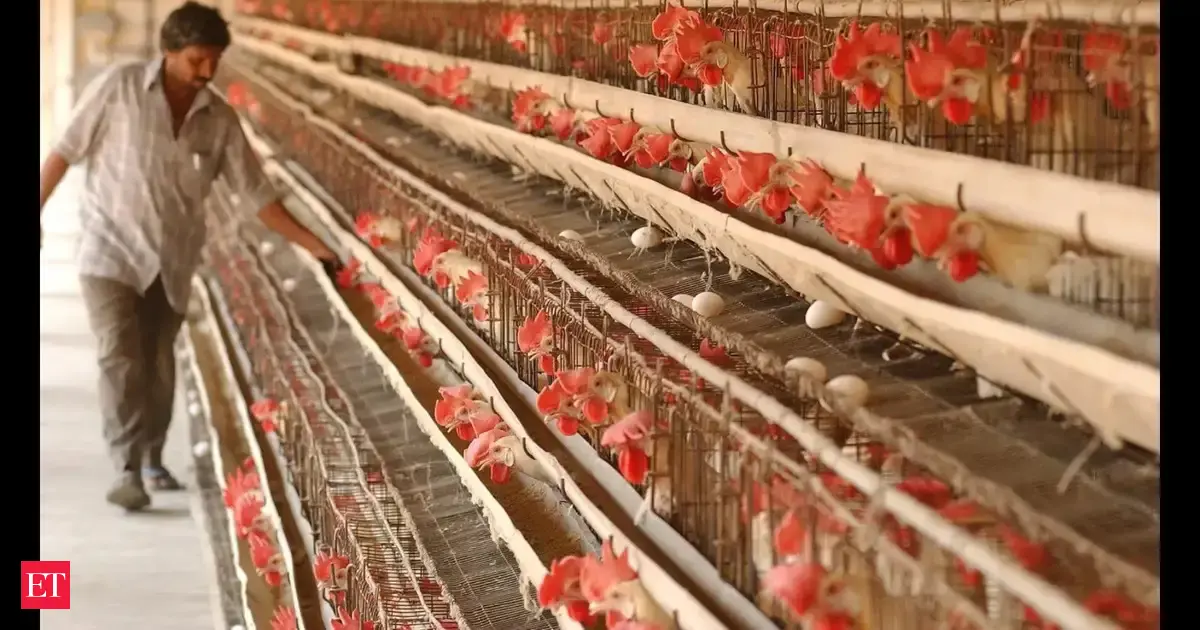
The livestock industry in India is facing a challenging situation as the price of soymeal has surged, prompting calls for increased imports. Soymeal, a crucial feed component for poultry and livestock, has seen its prices rise sharply, impacting the cost structure for producers.
Price Surge and Import Demand
The Compound Livestock Feed Manufacturers Association of India has requested the government to permit the import of 1.5 million tonnes of soymeal. This request comes as domestic prices of soybean and maize have soared, affecting the profitability of poultry farmers. Divya Kumar Gulati, president of the association, highlighted the financial strain on farmers due to these elevated feed costs.
Supply Constraints and Market Dynamics
The price increase is attributed to several factors, including lower local production and rising edible oil prices. Additionally, concerns over El Nino have further exacerbated the situation. Traders have noted that the high prices have made Indian soymeal exports less competitive, leading to increased imports of non-genetically modified soybeans from Africa.
Impact on Domestic Production
The soyabean processing industry in India opposes the import of soymeal, arguing that it could discourage domestic farmers from expanding their planting of the oilseed crop. This tension highlights the delicate balance between supporting local agriculture and meeting immediate market demands.
Global Trade Implications
The demand for soymeal imports is not just a domestic issue but has broader implications for global trade. As Indian supplies become less competitive, the shift towards importing soybeans from Africa indicates changing trade patterns. This situation underscores the interconnectedness of global agricultural markets.
"We have requested the government to allow import of 15 lakh tonnes of soyabean meal on the tariff rate quota basis as poultry farmers are making a loss due to high prices of feed like soyabean and maize," said Divya Kumar Gulati.
Outlook and Future Developments
Looking ahead, the market will closely watch the government's response to the import request and any potential policy changes. Additionally, weather patterns, particularly the impact of El Nino, will be critical in determining future price movements. Stakeholders will also monitor global trade flows and inventory levels to assess the ongoing supply-demand balance.
| Factor | Impact on Prices |
|---|---|
| Local Production | Decrease |
| Edible Oil Prices | Increase |
| El Nino Concerns | Increase |
The coming months will be pivotal in shaping the trajectory of soymeal prices and the broader agricultural market dynamics.


