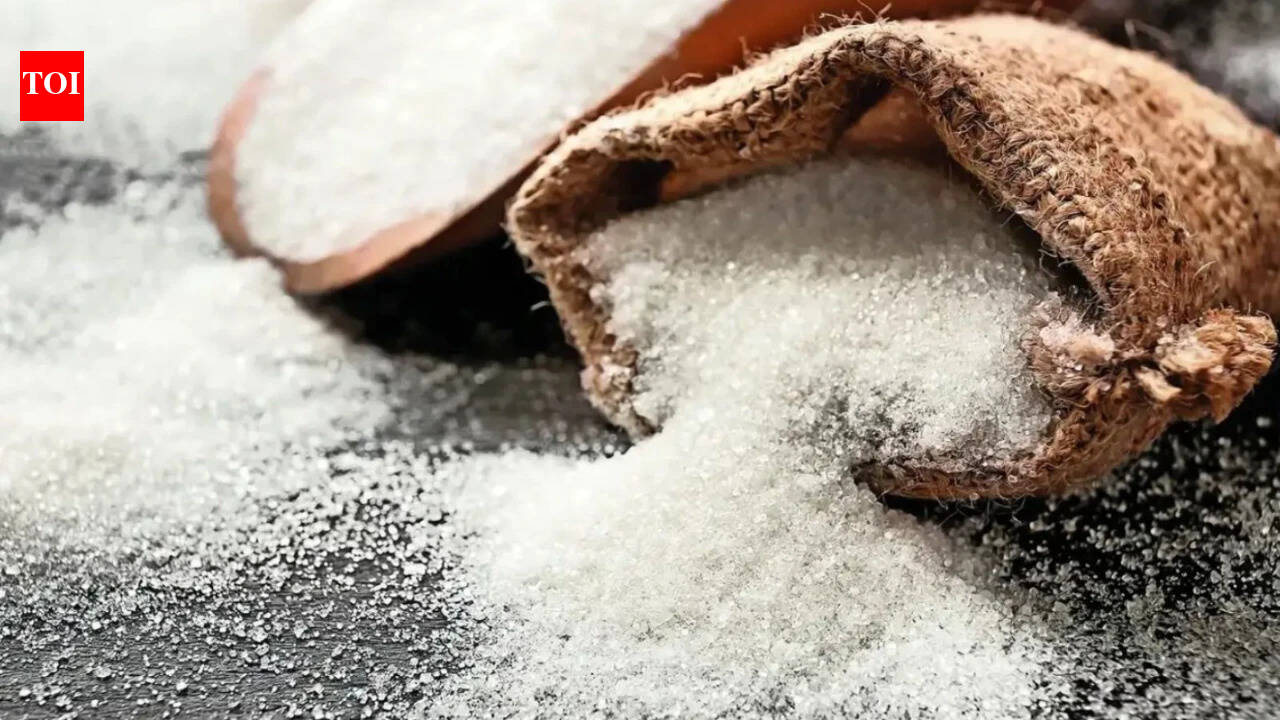
The Indian sugar industry, through the Indian Sugar & Bio-Energy Manufacturers Association (ISMA) and the National Federation of Cooperative Sugar Factories (NFCSF), has jointly urged the government to grant sugar a 100 per cent exemption from compulsory packaging in jute bags during Jute Year 2026–27, according to a joint statement. The millers cited serious public health risks, quality incompatibility, and a mounting economic burden on the industry and over 50 million sugarcane farmers.
Health and quality concerns over jute batching oil
The industry bodies contend that jute is treated with jute batching oil (JBO), a petroleum-based compound whose PAH content is "scientifically and judicially established as carcinogenic," according to the joint statement. "Residues can migrate into sugar, posing a health hazard to consumers, including children and pregnant women," the statement said. They also noted that sugar is highly hygroscopic, whereas jute retains moisture, causing caking, lump formation, and reduced shelf life.
Interim relief: SAC cuts jute packaging share to 15%
Citing these risks, in October 2025 the Standing Advisory Committee (SAC) ordered an independent expert study with representatives drawn from AIIMS, FSSAI, BIS, and the Jute Commissioner's office. Pending the outcome of that study, the SAC reduced the mandatory jute packaging requirement for sugar from 20 per cent to 15 per cent, according to ISMA. The association said the reduction "reflected its considered view that the existing packaging requirements warranted interim reconsideration." Sugar mill owners have also demanded suspension of the mandatory jute packaging for sugar until the independent expert study is completed.
Cost burden on sugar mills
Beyond health and quality, the industry points to a significant cost disadvantage. Jute bags cost 2.5–3 times more than other alternatives, adding an estimated ₹800 crore a year in packaging costs, the statement said.
CACP flags raw jute reservation system
The Commissioner for Agricultural Costs and Prices (CACP) is said to have flagged the compulsory reservation system as leaving insufficient material for diversified, higher-value products such as shopping bags and home décor. Prakash Naiknavare, Managing Director of NFCSF, said exempting sugar from mandatory jute packaging will protect product quality and consumer health, while freeing up raw jute for the diversified, value-added products that can truly secure the jute sector's long-term growth.
Industry bodies seek full exemption
"The scientific and judicial evidence on JBO's carcinogenic content is now overwhelming. Sugar reaches every household, including children, and it cannot continue to be packed in bags treated with a petroleum-based carcinogen while an SAC-directed independent study remains pending."
That is according to Deepak Ballani, Director General of ISMA. Every year, the government decides, based on demand-supply, the percentage of packing materials for sugar bags (jute or PPV) under Section 4 of the Jute Packaging Materials (Compulsory Use in Packing Commodities) Act, 1987. The current demand is for a full 100 per cent exemption during Jute Year 2026–27, beyond the interim reduction already granted.
| Key fact | Figure |
|---|---|
| Mandatory jute packaging for sugar (before SAC order) | 20% |
| Mandatory jute packaging for sugar (pending study) | 15% |
| Jute bag cost premium vs alternatives | 2.5–3 times |
| Estimated additional annual cost | ₹800 crore |
| Sugarcane farmers affected | Over 50 million |
With the SAC-directed study still pending, the mandatory jute packaging share for sugar remains at the interim 15 per cent level, while industry bodies press for a complete exemption.
Sources: