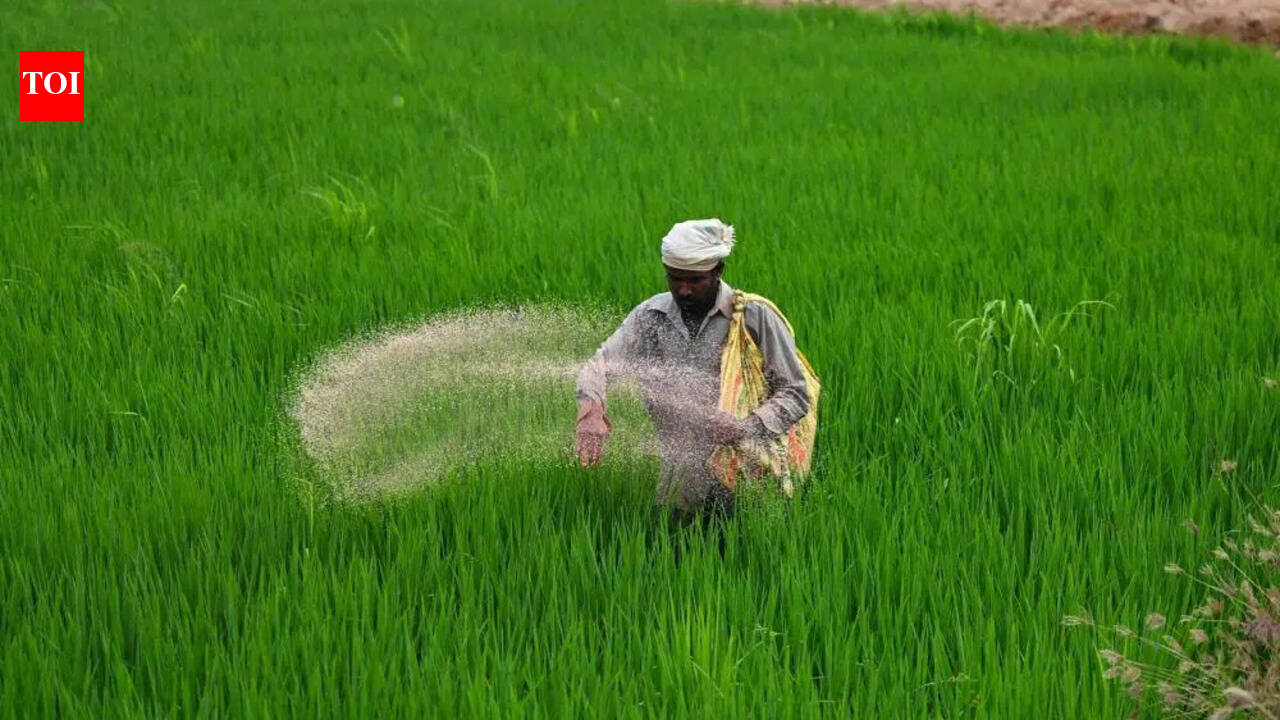
India imported 25.08 lakh tonnes of urea and 7.11 lakh tonnes of di-ammonium phosphate (DAP) during April-June 2025-26 (Q1 of fiscal 2025-26), according to data presented in Parliament by Chemicals and Fertilizers Minister J P Nadda. The total fertiliser production in the quarter stood at 115.72 lakh tonnes, comprising 71.55 lakh tonnes of urea and 9.84 lakh tonnes of DAP.
Supply Diversification Strategy
“The government has undertaken sustained efforts to diversify import sources to mitigate risks arising from global supply chain disruptions,” Nadda said in a written reply to the Lok Sabha. The Department of Fertilizers has engaged with Indian Missions abroad to identify alternative sources and reduce dependence on any single country, including China.
“While China has reportedly withheld exports of specialty fertilisers to India, Indian companies have been actively diversifying and sourcing water soluble fertilisers from alternative suppliers in Belgium, Egypt, Germany, Morocco and USA to offset the shortfall caused by reduced imports from China,” the minister added.
Long-Term Agreements with Saudi Arabia and Russia
To ensure uninterrupted supply, Long Term Agreements (LTA) have been finalised between Indian fertiliser companies and Saudi Arabian companies for the annual supply of about 31 lakh tonnes of DAP to India. Similarly, Indian companies have entered into agreements with Russian suppliers for the import of about 26.50 lakh tonnes of DAP/NPK fertilisers this year.
For muriate of potash (MOP), Indian companies finalised agreements for 4.80 lakh tonnes this year from Russia, Germany and Turkmenistan.
Import and Production Summary Table
| Parameter | Urea (lakh tonnes) | DAP (lakh tonnes) | Total Fertiliser (lakh tonnes) |
|---|---|---|---|
| Production Q1 FY26 | 71.55 | 9.84 | 115.72 |
| Imports Q1 FY26 | 25.08 | 7.11 | – |
| Imports full FY26 | 103.50 | 61.94 | – |
| Production full FY26 | – | – | 517.74 |
Implications for Commodity Markets
The data signals steady domestic demand for key fertilisers. The diversification away from China may affect global trade flows for water soluble fertilisers, with alternative suppliers in Europe, North Africa and North America gaining market share. The long-term agreements with Saudi Arabia and Russia provide price and volume visibility for Indian buyers, potentially reducing spot market volatility for DAP and NPK. Traders and procurement teams should monitor any further developments in Chinese export policy and the execution of these LTAs.
India's fertiliser procurement strategy will remain a key driver for global urea, DAP and MOP markets, given the country's large import volumes. The Q1 figures set the baseline for the remainder of the fiscal year.
Sources: