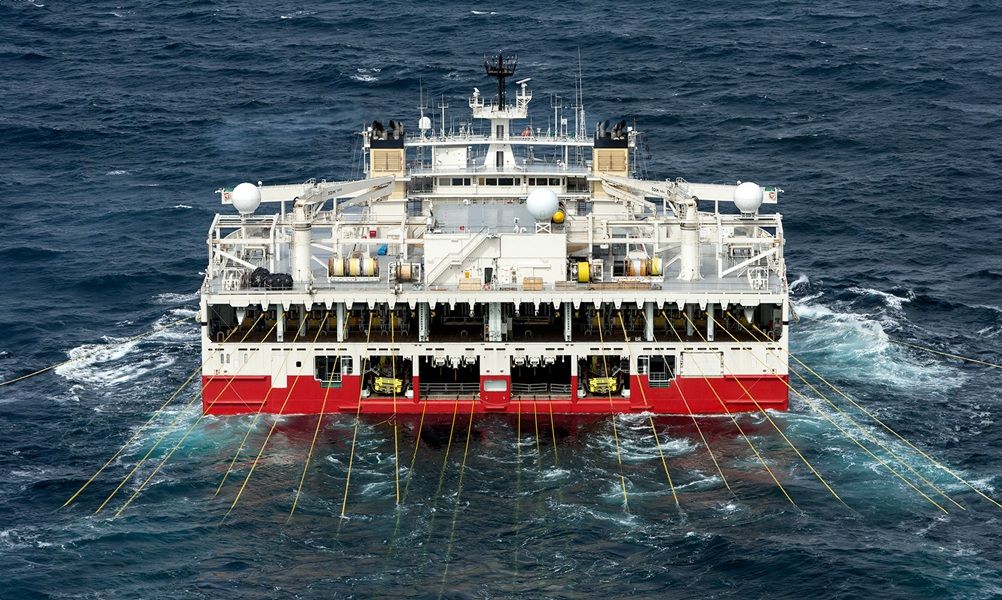
Norwegian offshore seismic vessel player Shearwater Geoservices has been awarded a 4D towed streamer seismic acquisition project for the Mariner field in the UK North Sea by Adura, the new UK-based joint venture between Shell and Equinor, according to Splash247.
Survey Scope and Technology
The one-month survey will commence in July 2026 and deploy Shearwater’s isometrix multi-component streamer technology to deliver time-lapse seismic data. The data is intended to support reservoir monitoring and field management at the Mariner field. The contractual scope includes the potential for an undershoot, which enhances imaging and ensures continuous coverage around field infrastructure.
Strategic Context for North Sea Production
Irene Waage Basili, CEO of Shearwater, stated: “Monitoring reservoirs in existing fields is essential to extending field life, optimising production, and supporting energy security.” The Mariner field is a key asset in the UK North Sea, and Adura’s focus on 4D seismic reflects a commitment to maximising recovery from mature basins.
Industry Implications
The deployment of advanced 4D seismic technology like isometrix allows operators to track fluid movements and pressure changes over time, enabling better decision-making for well placement and reservoir management. For a mature basin such as the North Sea, such surveys are critical to extending the productive life of existing fields. The partnership between Shearwater and Adura underscores the ongoing investment in subsurface imaging to support production efficiency and energy security.
| Aspect | Detail |
|---|---|
| Survey Location | Mariner field, UK North Sea |
| Client | Adura (Shell / Equinor JV) |
| Contractor | Shearwater Geoservices |
| Start Date | July 2026 |
| Duration | One month |
| Technology | isometrix multi-component streamer |
| Purpose | 4D time-lapse seismic for reservoir monitoring |
The survey's results will feed into Adura's field management strategy, potentially influencing future drilling and production decisions. As the North Sea continues to mature, time-lapse seismic data becomes increasingly valuable for optimising recovery rates and managing infrastructure integrity.
Sources: