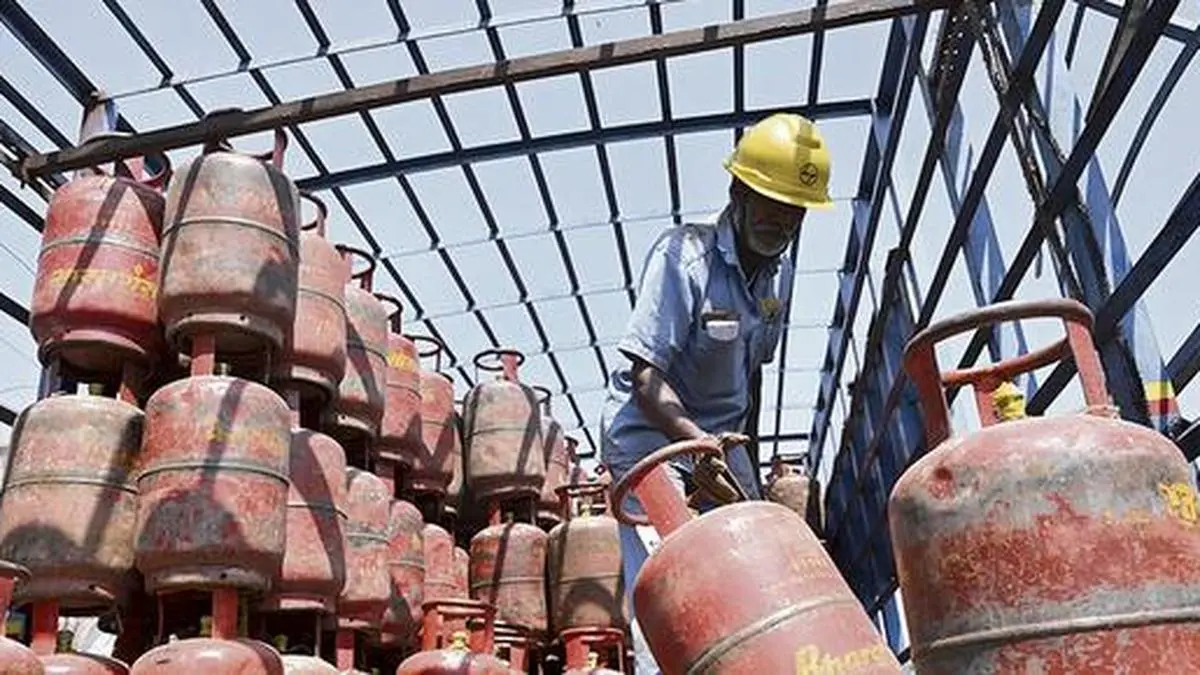
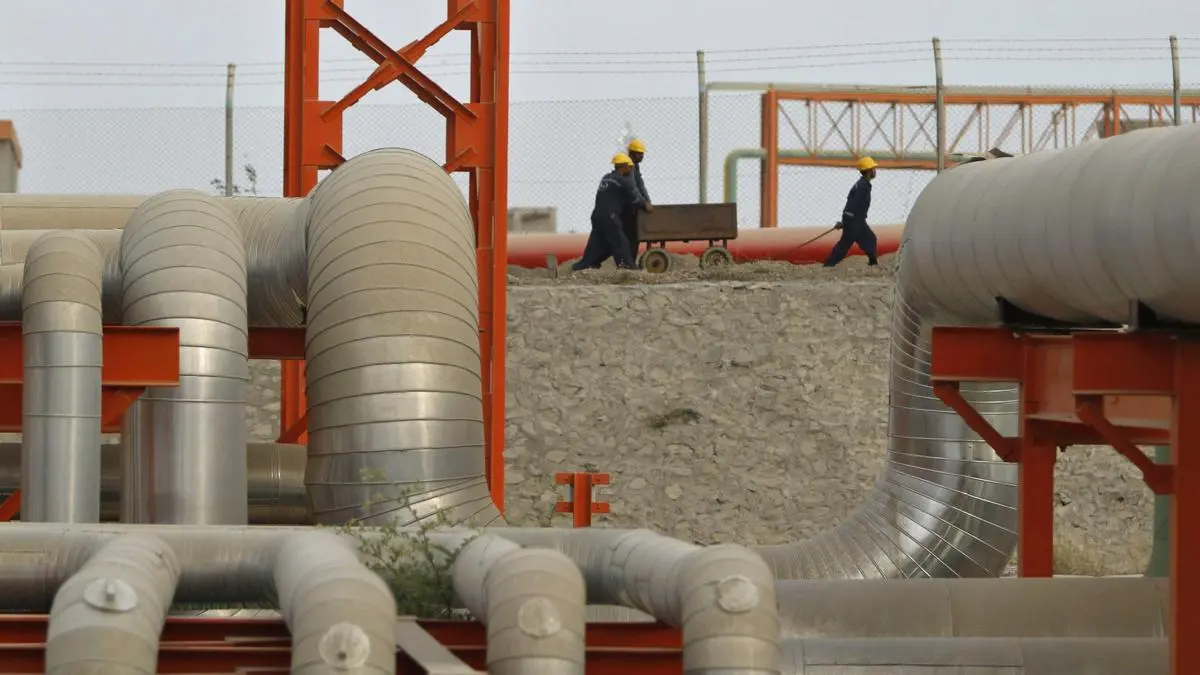
India's Central Government has set a maximum daily production limit of 63,810 tonnes per day (TPD) of liquefied petroleum gas (LPG) for all refiners in the country, including joint ventures and private sector entities, until December 2026, according to The Hindu BusinessLine. The ceiling was fixed by the Ministry of Petroleum & Natural Gas (MoPNG) through a notification effective August 13. It is the first time the government has set a bi-annual maximum LPG production limit for refiners.
The cap follows disruption in supplies to India after the closure of the Strait of Hormuz (SoH), which occurred following the latest West Asia conflict that began on February 28, 2026, the report added. MoPNG will update the production schedule on January 1 and July 1 every year, including adjustments for LPG output from new refineries and upstream companies, or additional quantities from existing facilities due to changes in associated infrastructure, production technology, evacuation, supply, transport or distribution of LPG.
Allocations by refiner and segment
Reliance Industries (RIL) has been allocated the highest quantity at 18,000 TPD, followed by Bharat Petroleum Corporation's (BPCL) Kochi refinery at 4,800 TPD, Mangalore Refinery & Petrochemicals at 4,600 TPD, Nayara Energy at 4,480 TPD and HPCL Mittal Energy at 3,600 TPD, according to The Hindu BusinessLine.
| Refiner / Segment | Maximum LPG allocation (TPD) |
|---|---|
| Reliance Industries (RIL) | 18,000 |
| BPCL Kochi refinery | 4,800 |
| Mangalore Refinery & Petrochemicals | 4,600 |
| Nayara Energy | 4,480 |
| HPCL Mittal Energy | 3,600 |
| All PSU refiners (incl. IOC, BPCL, Hindustan Petroleum Corporation) | 31,470 |
| Private-sector entities total | 25,880 |
| Upstream oil companies total | 6,460 |
Cumulatively, all public-sector oil refining companies including Indian Oil Corporation, BPCL and Hindustan Petroleum Corporation are to produce a maximum of 31,470 TPD of LPG, according to the report. The private sector in total has been mandated to produce a maximum of 25,880 TPD, while upstream companies are capped at 6,460 TPD.
Legal basis and monitoring
The MoPNG notification amends the Petroleum Products (Maintenance of Production, Storage and Supply) Order, 1999, and introduces operational directions specifically for LPG production and supply. It mandates public-sector, joint-venture and private-sector refineries, along with upstream oil companies, to develop and maintain adequate infrastructure for LPG storage, evacuation and transportation corresponding to the specified quantities. The directive also requires refiners to implement technically and economically viable measures to maximise LPG output beyond existing minimum producible quantities. Technologies listed in the notification include naphtha-to-LPG conversion and upgrades of gasoline-based fluid catalytic cracking units into petro-fluid catalytic cracking units.
"Centre for High Technology or any other authorised agency shall monitor the implementation of the directions issued under this clause. Any contravention of directions issued under this clause shall be punishable under the provisions of the Essential Commodities Act, 1955," the notification said.
Scheduled revisions and industry impact
MoPNG said the government may, by itself or through the Centre for High Technology (CHT) or another authorised agency, issue directions to oil refining companies, oil marketing companies and upstream oil companies to ramp up LPG production levels, including compliance with any restrictions on alternative uses of input streams required to produce LPG. The stated objective is to ensure adequate availability, equitable distribution and availability at fair prices of domestic LPG, MoPNG said.
The production schedule will be updated on January 1 and July 1 of every year, including updates for LPG output from new refineries and upstream companies or additional quantities from existing facilities, MoPNG added. For refiners, the cap is tied to infrastructure obligations: storage, evacuation and transport capacity must match the specified allocations, and output-boosting technologies — naphtha-to-LPG conversion and petro-fluid catalytic cracking unit upgrades — are part of the mandated measures. The ceiling applies through December 2026, with the Centre for High Technology or another authorised agency monitoring compliance under the Essential Commodities Act, 1955.
Sources: