
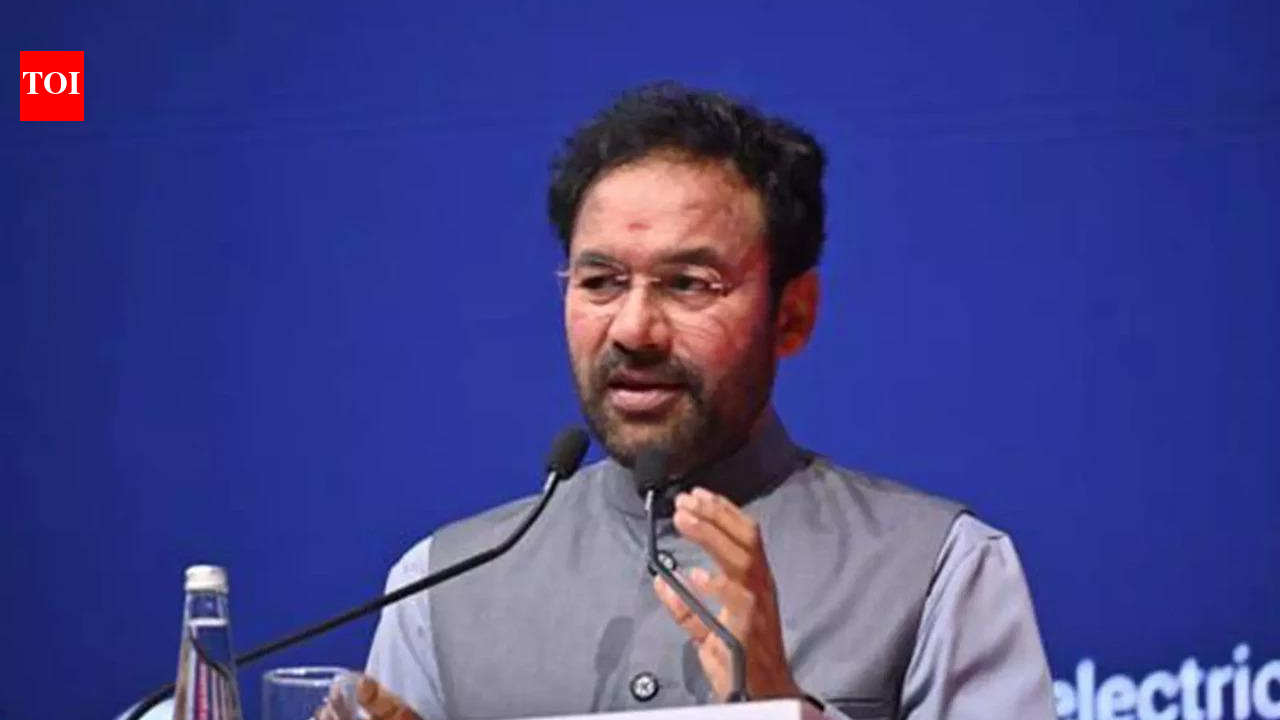
Union coal and mines minister G Kishan Reddy said on Thursday that India can significantly reduce its dependence on imports and strengthen long-term energy security by accelerating coal gasification projects, according to Business-Today. Speaking at a roadshow on the Centre's scheme for promoting surface coal and lignite gasification projects, Reddy outlined the potential of coal gasification to convert the country's vast coal reserves into high-value products.
The Vision for Coal Gasification
Reddy said coal gasification offers an opportunity to convert India's coal reserves into high-value products such as syngas, methanol, hydrogen, ethanol, urea and sustainable aviation fuel. Many of these products are currently imported in large quantities, and domestic production through coal gasification could help save foreign exchange, reduce import dependence and create new industrial value chains across fertilisers, steel, chemicals, transport and clean energy sectors, he added.
India's Coal Reserves and Production
According to Reddy, India has the world's fifth-largest coal reserves, exceeding 400 billion tonnes. The country is the world's second-largest producer and consumer of coal, while Coal India Ltd is the largest coal-producing company globally. He also noted that the Gevra mine in Chhattisgarh ranks among the world's largest coal mines.
| Metric | Value |
|---|---|
| Global coal reserves rank | 5th |
| Total coal reserves | >400 billion tonnes |
| Production/consumption rank | 2nd (global) |
| Largest coal producer (company) | Coal India Ltd |
| Notable mine | Gevra mine, Chhattisgarh |
Energy Mix and Decarbonization
Coal continues to play a dominant role in India's energy system, meeting around 70% of electricity demand and accounting for nearly 55% of India's energy mix, Reddy said. At the same time, the government remains committed to achieving its net-zero emissions target by 2070 through cleaner and more efficient use of domestic coal resources.
Policy Framework and Investment
Referring to the National Coal Gasification Mission, Reddy said the government has set a target of gasifying 100 million tonnes of coal by 2030 and expressed confidence that the incentive scheme would catalyse large-scale investments and faster technology adoption. He added that the draft Request for Proposal (RFP) for the scheme has been placed in the public domain for stakeholder consultations, with feedback being sought to further strengthen the implementation framework.
The roadshow was attended by minister of state for coal and mines Satish Chandra Dubey, coal secretary Vikram Dev Dutt, senior ministry officials, representatives of coal-sector PSUs, industry leaders, technology providers, investors and other stakeholders.
Maharashtra's Role and Investor Invitation
Maharashtra chief minister Devendra Fadnavis, who also attended the event, said India is entering a new era of coal gasification powered by modern technologies. Stressing that energy security is central to the country's economic growth and resilience, Fadnavis said excessive dependence on imports leaves India vulnerable to geopolitical developments and supply-chain disruptions. "Atmanirbhar Bharat is the pathway to Viksit Bharat," he said, while inviting investors and industry leaders to invest in Maharashtra's emerging energy and industrial ecosystem.
Implications for Commodity Markets
The push for coal gasification carries significant implications for commodity traders and procurement teams. Domestic production of methanol, urea, and other chemicals currently imported could alter trade flows and reduce import volumes. The target of 100 million tonnes of coal gasified by 2030 represents a major shift in coal demand and usage, with potential impact on coal price dynamics in both domestic and global markets. The involvement of Coal India Ltd, the world's largest coal producer, underscores the scale of the initiative. As the draft RFP is finalized and investment begins, market participants will monitor the pace of project approvals and their effect on coal consumption patterns and import substitution.
Sources:


