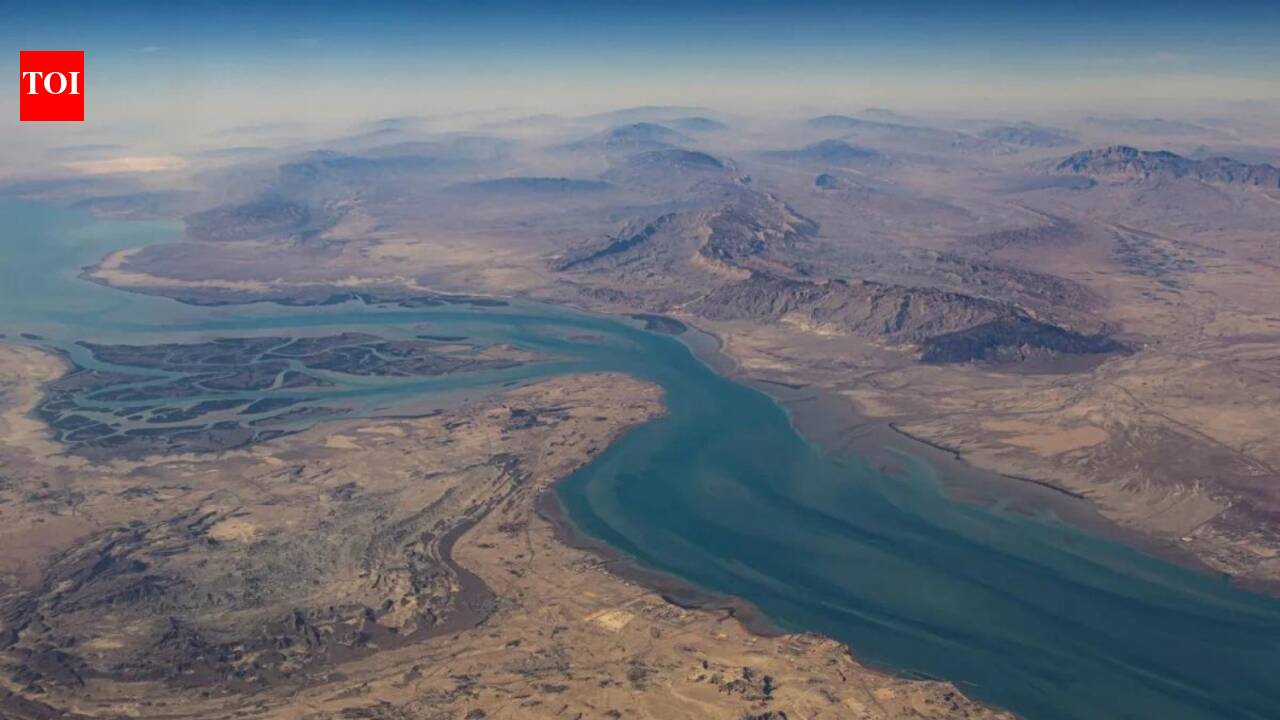
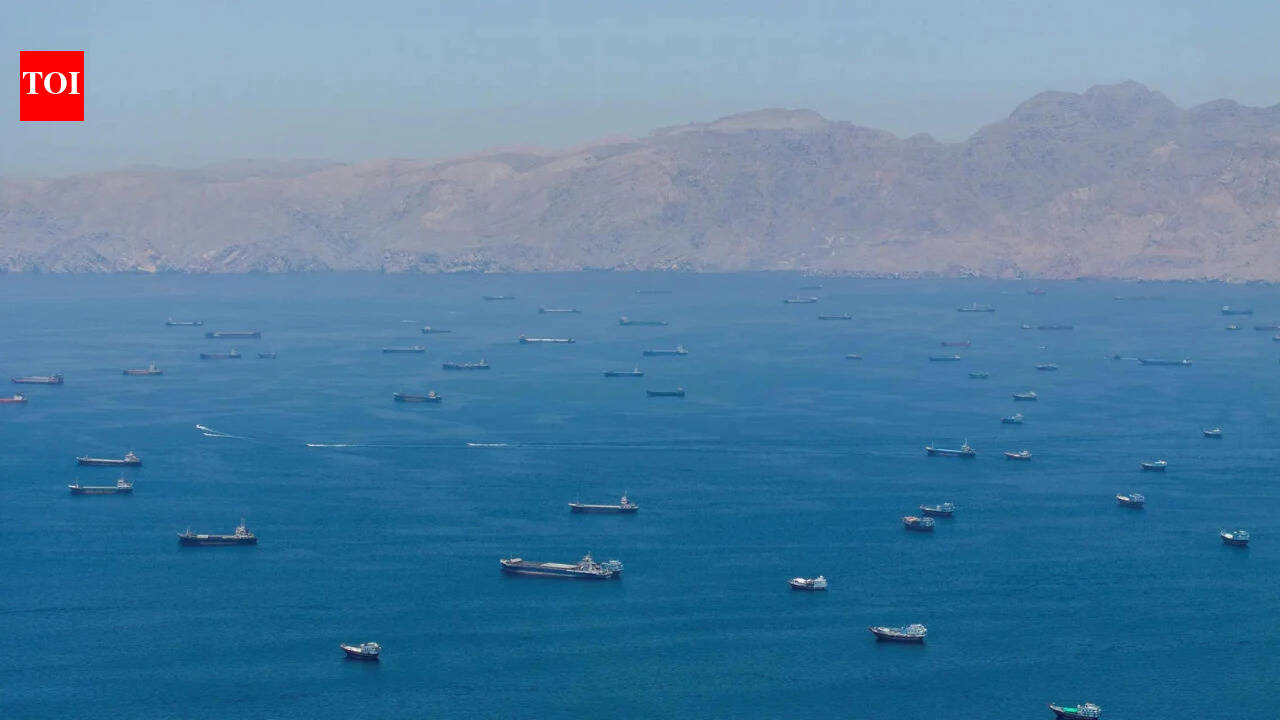
Crude oil futures traded higher on Tuesday morning following reports of attacks on ships in the Strait of Hormuz, according to The Hindu Business Line. At 9.30 am on Tuesday, September Brent oil futures on the Intercontinental Exchange (ICE) were at $72.45, up by 0.64%, while August WTI crude oil futures on the New York Mercantile Exchange (NYMEX) were at $68.93, up by 0.55%. On the Multi Commodity Exchange (MCX), July crude oil futures traded at ₹6,586 during the initial hour, up 0.53% from the previous close of ₹6,551, and August futures traded at ₹6,612, up 0.46% from ₹6,582.
The Incident at Sea
The price move was driven by reports of an attack on a commercial vessel near the Strait of Hormuz. The United Kingdom Maritime Trade Operations (UKMTO) said it received a report of an incident 8 nautical miles east of Limah, Oman. A tanker reported being hit by an unknown projectile on the port side, causing a fire, while travelling southbound. No casualties or environmental impact has been reported, and authorities are investigating. The UKMTO advised vessels to transit with caution and report any suspicious activity.
Quoting two unnamed US officials, an Axios report stated that Iran’s military fired at least two missiles at commercial ships transiting the Strait of Hormuz on Monday night. The reported attacks threaten to unravel a memorandum of understanding signed less than three weeks ago under which Iran agreed to halt attacks in the Strait of Hormuz, according to Axios. The report also said the US is likely to retaliate with strikes against Iranian targets.
Geopolitical Escalation
The situation has drawn direct comment from US President Donald Trump. Speaking to reporters at the Oval Office on Monday, Trump said: “We’re either going to make a deal or we’re going to finish the job. OK. And it won’t be tough to finish the job. I’d rather make a deal, because I don’t want to affect 91 million people. We can knock down their bridges in one hour, we can knock out their energy supply. They don’t have any money now. We haven’t given them any money.” The Hindu Business Line reported this statement on July 7, 2026.
Price Comparison Table
| Contract | Exchange | Price | Change | Previous Close |
|---|---|---|---|---|
| Sep Brent | ICE | $72.45 | +0.64% | — |
| Aug WTI | NYMEX | $68.93 | +0.55% | — |
| Jul Crude | MCX | ₹6,586 | +0.53% | ₹6,551 |
| Aug Crude | MCX | ₹6,612 | +0.46% | ₹6,582 |
Market Implications for Traders
The attack represents a direct threat to the Strait of Hormuz, a chokepoint through which about 20% of the world’s oil passes. Any prolonged disruption could tighten global crude supplies, potentially pushing prices higher. Traders are now watching for any further military response from the US or additional attacks that could escalate the situation. The UKMTO continues to monitor the area, and market participants should expect heightened volatility in energy futures until the geopolitical risk subsides.
The reported attacks underscore the fragility of the recent détente between the US and Iran. The memorandum of understanding, signed less than three weeks ago, had provided a brief period of calm. With Iran allegedly violating that agreement, the risk premium embedded in oil prices is likely to remain elevated. The coming days will be critical as traders assess the potential for a broader conflict and its impact on crude flows through the Strait of Hormuz.
For commodity traders, the key data points to watch include any updates from the UKMTO, statements from Iranian authorities, and the US Energy Information Administration (EIA) weekly inventory report, which could provide further direction. The market is now pricing in a higher probability of supply disruption, and any diplomatic developments—or lack thereof—will drive the next leg of price action.
Sources: