
Topic
strait of hormuz
 Logistics
 Iran Blacklist Threatens Hormuz Shuttle Tanker Lifeline for Gulf Crude
Iran's blacklisting of 12 VLCCs at the core of the Hormuz shuttle trade threatens a workaround moving roughly one-third of Middle East Gulf crude exports. Three Indian refiners and a global energy major plan to stop using the vessels, and Braemar warns remaining Hormuz tonnage will command higher premiums.
 Logistics
 Strait of Hormuz shipping traffic slightly rises amid Iran-Oman talks
Visible commodity vessel transits through the Strait of Hormuz rose to 10 on Wednesday from eight on Tuesday, according to Kpler data reported by Reuters, but remained below the 10-day average of about 15 vessels. Iran and Oman are still working on agreement details, while traffic at the Bab el-Mandeb strait slowed for a second day to 19 vessels.
 Logistics
 Hormuz Shock Sends Jebel Ali Tumbling Out of Global Top 30 Container Rankings
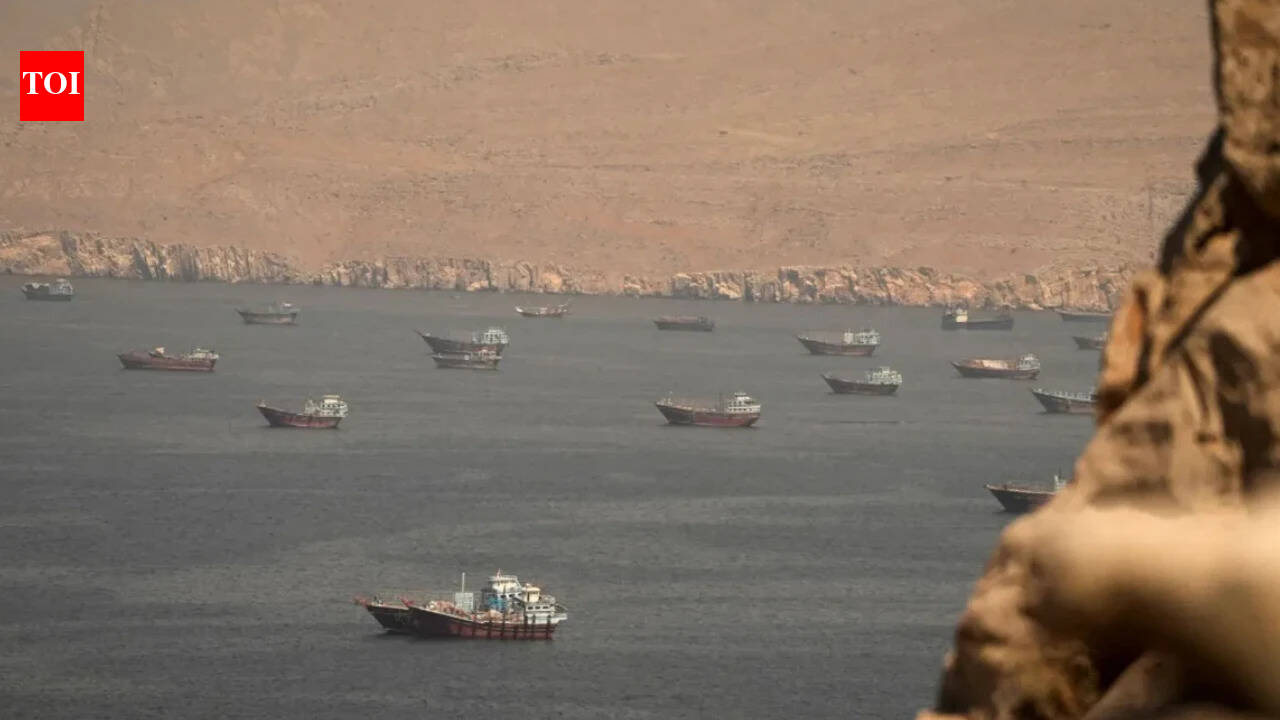
Jebel Ali fell from 10th to 32nd in global container port rankings as the Strait of Hormuz disruption cut H1 throughput to 3.14m teu, less than half of last year's 7.77m teu. DP World shifted 500,000 teu via Gulf road and rail corridors and signed a 50-year deal for a new Fujairah terminal. Ningbo-Zhoushan overtook Singapore for the first time in Alphaliner's half-year rankings.
 Logistics
 Iran blacklists 45 tankers over Strait of Hormuz rules amid fresh US sanctions threat
Iran's Persian Gulf Strait Authority has blacklisted 45 tankers for allegedly violating its rules for transiting the Strait of Hormuz, threatening fines, detention and cargo confiscation. The list includes vessels linked to ADNOC L&S, Navig8 Tankers, Bahri, Klaveness, Stolt Tankers and Sinokor. The move escalates tensions weeks after the US threatened 'the toughest sanctions in history' against Iran.
 Logistics
 Dark Transits Keep Hormuz Oil Flowing as ADNOC Vessels Face New Attacks
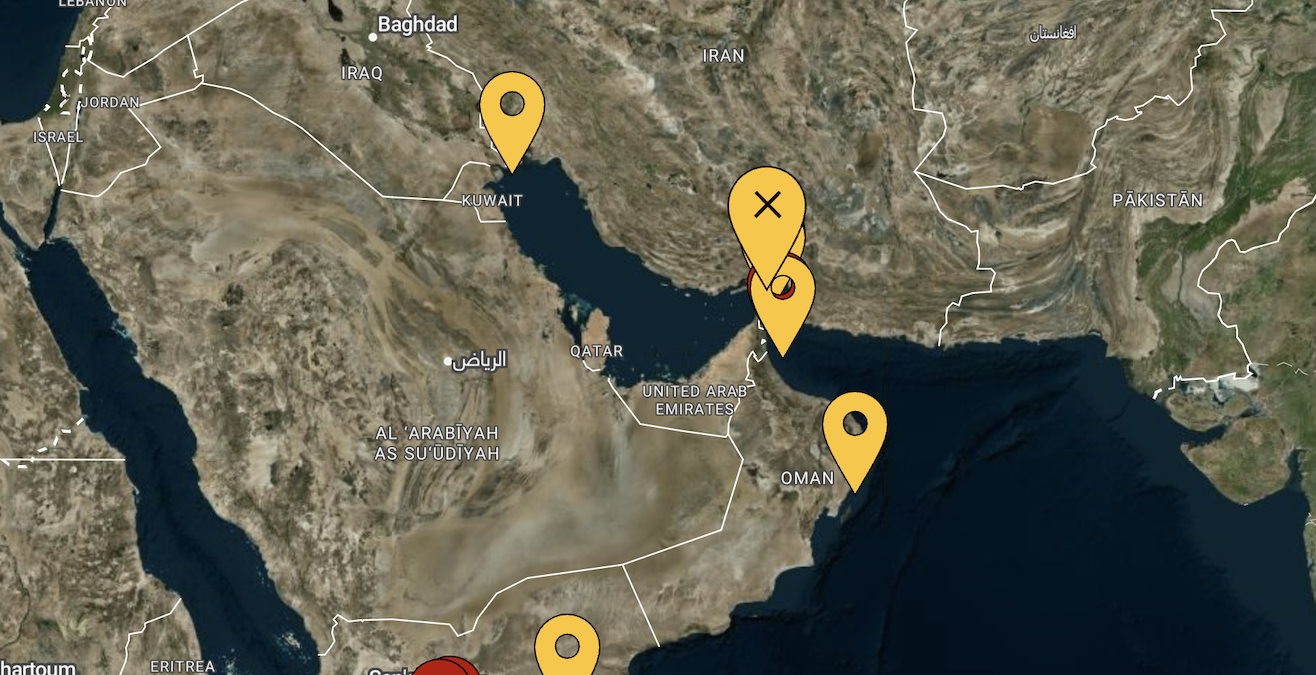
Hormuz oil flows persist near 9 million barrels per day despite fresh attacks on ADNOC ships, as risk-tolerant tankers run dark and transfer cargo to mainstream operators off Oman. Satellite data shows ~150 vessels floating off Oman, up from ~40 in January, while ADNOC reports 19 vessels attacked. The Joint Maritime Information Center rates the threat as severe.
 Commodities
 Domestic Refiners Told to Boost LPG Output as Hormuz Uncertainty Lingers
India has directed private and state-owned refiners to maximise LPG production as uncertainty over the Strait of Hormuz threatens imports, with output already lifted to 54,000 tonnes a day from 36,000 tonnes pre-war. The government set a 63,810-tonne-a-day target, assigning Reliance Industries the largest quota at 18,000 tonnes a day, ahead of the September-November festival season.
Dalal Street outlook: Crude oil, Strait of Hormuz and Fed cues to drive stock market this week
Read the full story for in-depth analysis.
 Logistics
 UAE's Adnoc offers shuttle service for Iraqi oil exports through Strait of Hormuz
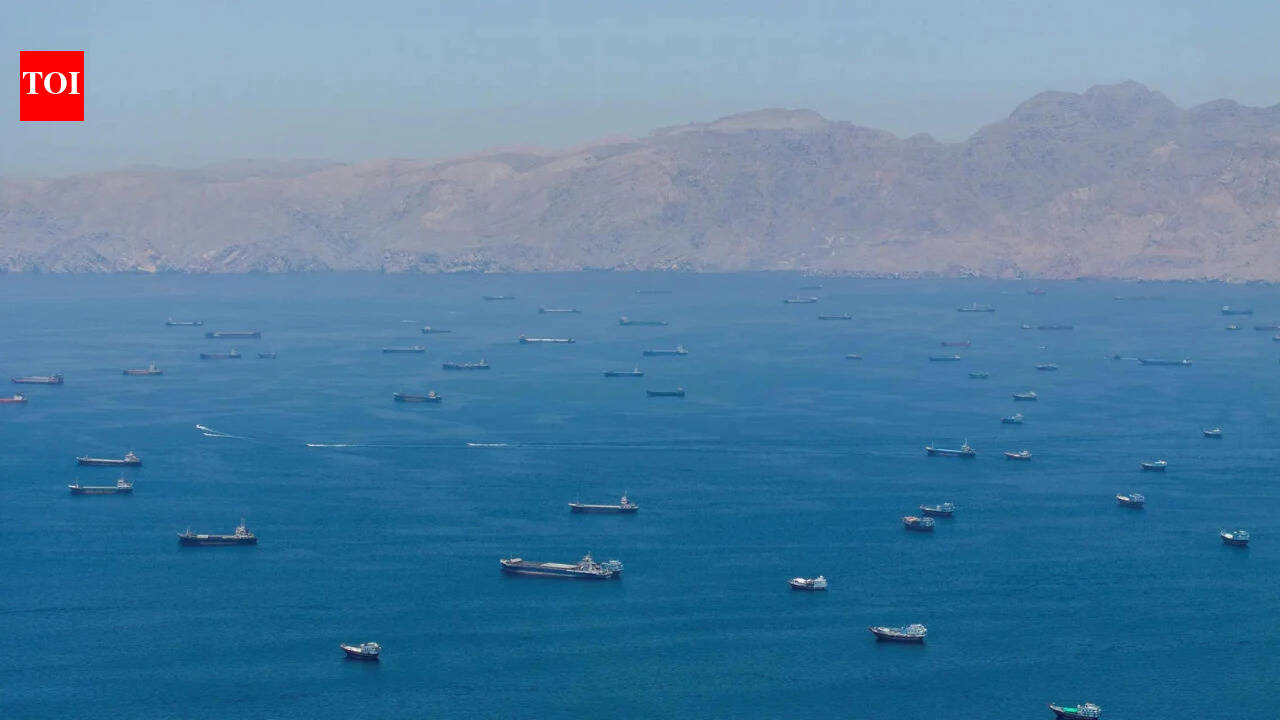
According to Bloomberg, Adnoc is offering to shuttle Iraqi oil exports through the Strait of Hormuz using dark-transit tactics. Iraq's SOMO has cut Basrah Medium prices by $25–$27 a barrel for Hormuz-bound volumes, while exports jumped to about 2 million bpd this month.
 Commodities
 Oil Prices Hold Near One-Week High as Strait of Hormuz Reopening Remains in Limbo
Oil prices held near a one-week high on Tuesday as US-Iran talks stalled over reopening the Strait of Hormuz. WTI crude stood at $82.22 a barrel and Brent at $87.80, after both benchmarks jumped more than 5% in the prior session. Iran demanded an end to sanctions and the US naval blockade before any reopening, according to Business Today.
 Commodities
 Crude Oil Rises as Uncertainty Over Strait of Hormuz Reopening Persists
Crude oil futures rose on Monday as uncertainty persisted over the reopening of the Strait of Hormuz, according to The Hindu BusinessLine. October Brent gained 1.07% to $84.44, while September WTI rose 0.84% to $78.84. Iran's foreign minister said an agreement with Oman is in the final stages but the strait will not reopen until the US meets other conditions.
 Logistics
 Strait of Hormuz Reopening Hinges on Iran-Oman 60-Day Framework Deal
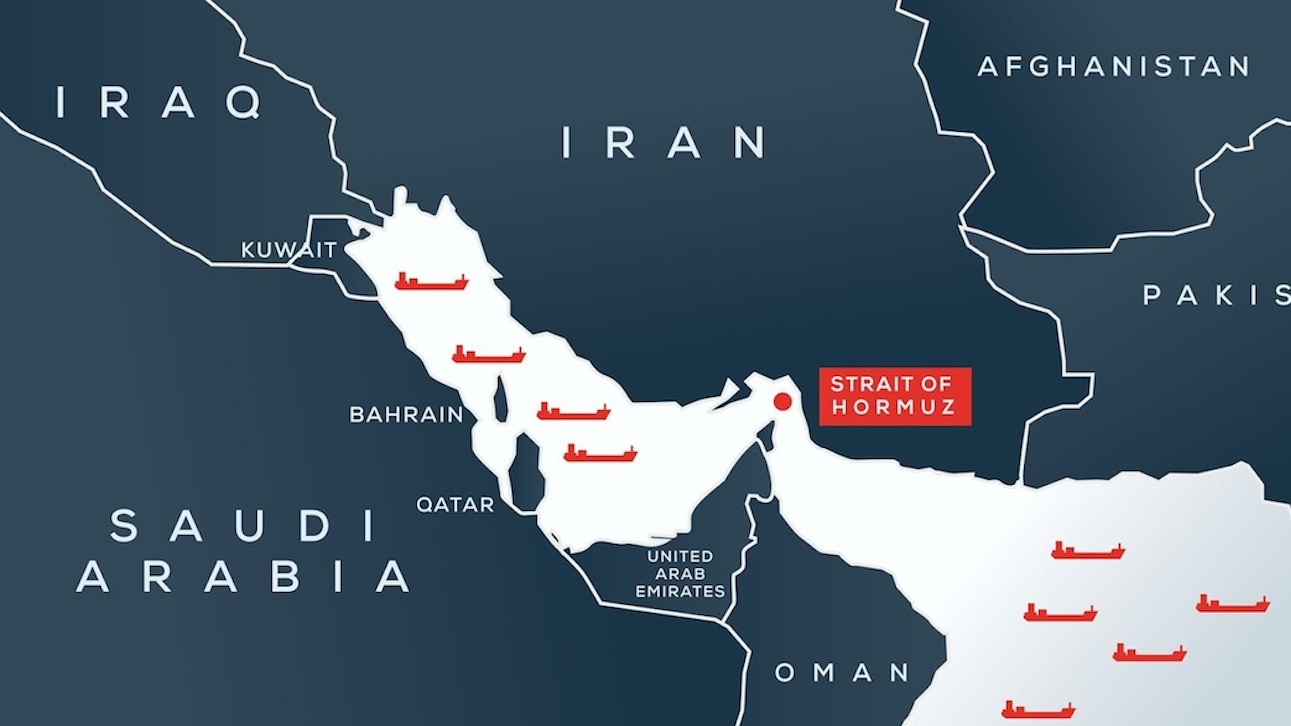
A U.S.-Iran standoff has cut Strait of Hormuz transits to eight vessels on Aug. 5, down from 100-plus daily before the conflict, while Iran and Oman finalize a proposed 60-day reopening framework, according to FreightWaves. The plan would route inbound vessels near Iran and outbound vessels on an Omani-side route with no transit fees, but a return to normal tanker, LNG and container flows requires weeks of incident-free transits, clear routing protocols and a stable U.S.-Iran agreement.
 Commodities
 Gold touches seven-week high on Strait of Hormuz reopening hopes
Spot gold touched a seven-week high above $4,285 per ounce on growing hopes for a Strait of Hormuz reopening, with an Iran-Oman deal seen easing oil prices and rate pressures. Market expectations for a September U.S. rate hike fell to 55%, while traders awaited Friday's nonfarm payrolls report. Silver, platinum and palladium also gained.
 Commodities
 Oil prices fall to three-week low on hopes Strait of Hormuz could reopen
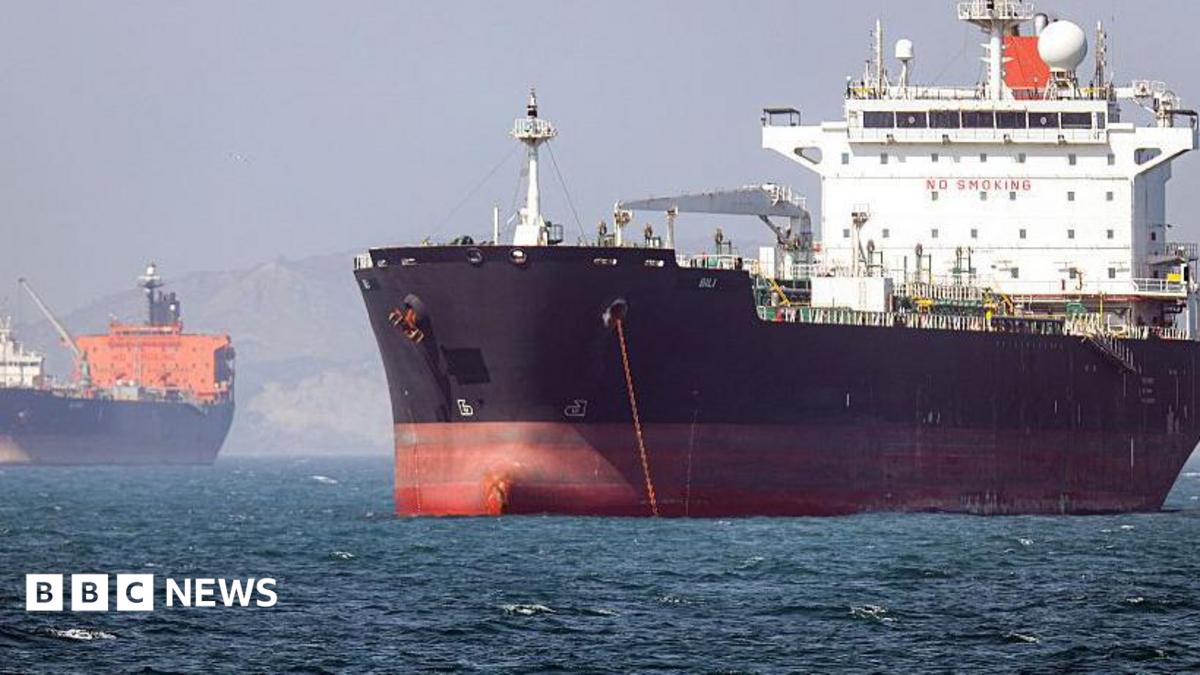
Oil prices fell to a three-week low on Tuesday as US officials said talks with Iran on reopening the Strait of Hormuz had progressed, according to BBC Business. Brent crude dropped almost 5% to under $80 a barrel, while West Texas Intermediate fell more than 5% to $76, with both contracts at their lowest since 13 July.
 Logistics
 Third engineer missing after Greek bulker Minoan Pioneer struck in Strait of Hormuz
Greek-operated bulk carrier Minoan Pioneer was struck by an unidentified projectile in the Strait of Hormuz on Monday, leaving its third engineer missing and the vessel without power, according to Splash247 and Vanguard Tech. The attack is the fourth maritime security incident near Oman's Musandam Peninsula in five days, and UKMTO confirmed the vessel had been struck by an unknown projectile. Military authorities are investigating and no group has claimed responsibility.
Logistics Tankers Face Fresh Hormuz Threats as Diplomacy Resumes, Houthis Deny Bab al-Mandab Tolls
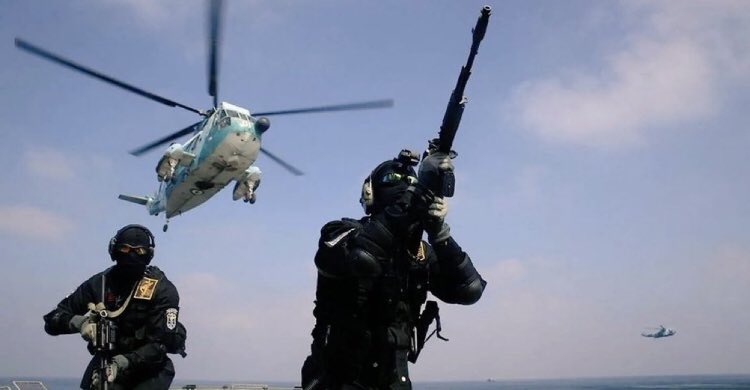
Fresh threats and explosions in the Strait of Hormuz are disrupting tanker traffic, with two Liberia-flagged tankers reporting attacks and an LNG carrier left inoperable. The Houthis denied imposing tolls at Bab al-Mandab, while Gulf exporters accelerate alternative routes and war-risk cover remains uncertain.
 Logistics
 Direct Hits on Tankers Push Hormuz Traffic to New Lows, Brokers Warn
Tanker traffic through the Strait of Hormuz has fallen sharply after a series of direct Iranian attacks on commercial vessels. Outbound movements average just four tankers per day, inbound three, well below previous averages. The pool of willing shipowners is shrinking, and the risk environment is deteriorating rapidly.
 Logistics
 Sinokor Offers Crews Six Months' Pay for Hormuz Round Trips After Tanker Attacks
After two product tankers were abandoned following projectile strikes in the Strait of Hormuz, South Korea's Sinokor Group offered crews six months' additional pay for a one-month round trip. War-risk premiums have climbed to 10% of vessel value, and commercial traffic through the chokepoint has slowed sharply.
 Logistics
 Hormuz transits fall sharply as Iran warns of unsafe waters amid US strikes
Transits through the Strait of Hormuz have dropped sharply after Iran claimed two oil tankers exploded and warned the waterway is unsafe. Clarksons data shows crude tanker transits fell from six to roughly two per day, and total shipping from 36 to about 15, as the US continues airstrikes on Iran.
 Commodities
 US firms sign $60 billion Iraq deals to expand oil exports beyond Strait of Hormuz
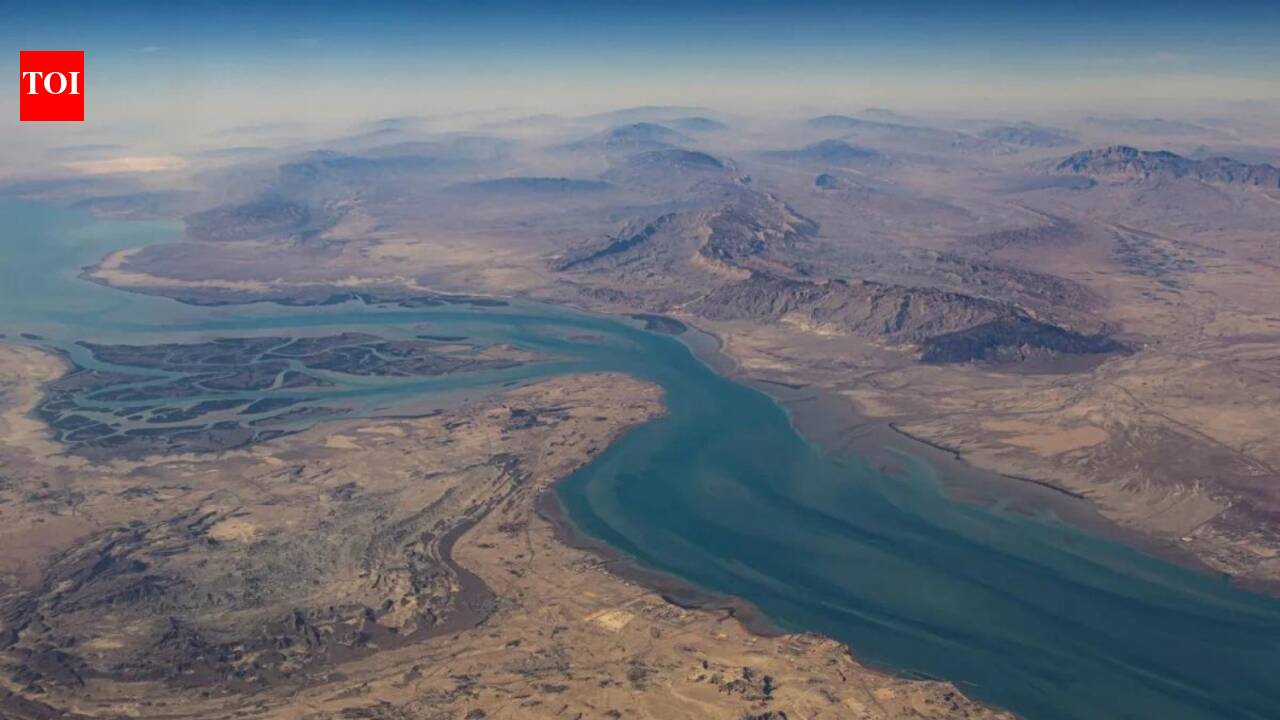
US companies signed roughly $60 billion in agreements with the Iraqi government on Friday, including deals to develop alternative oil export routes beyond the Strait of Hormuz. The agreements come amid the US-Iran war that has disrupted Hormuz shipments and caused oil price volatility. Chevron signed three agreements focused on boosting production and building a new pipeline. Goldman Sachs estimated pipelines could carry 60% of current Hormuz oil by 2028.
 Commodities
 Strait of Hormuz closure: Why crude oil prices haven’t spiralled out of control amid US-Iran conflict
The closure of the Strait of Hormuz caused the biggest oil supply disruption in history, removing 13.6 million barrels per day (13% of global output). Yet crude prices only briefly touched $144/barrel before easing, far below inflation-adjusted levels of previous crises. According to the Asian Development Bank and industry experts, the market's resilience stems from non-OPEC production growth, alternative export routes, US record exports, and China's energy transition.
 Commodities
 IEA warns global energy security at risk if Strait of Hormuz oil flows are not restored
IEA Executive Director Fatih Birol warned on July 17, 2026, that global energy security is at risk if oil flows through the Strait of Hormuz are not restored in the next few weeks. The waterway has been mostly blocked since the conflict began on February 28 with U.S. and Israeli strikes on Iran. Birol highlighted that China's stockpile of over 1 billion barrels and an IEA-coordinated release of up to 400 million barrels have moderated price rises, but these measures cannot last indefinitely.
Logistics Hormuz and Red Sea Risks Converge as US Strikes Iranian-Bound Tanker, Houthis Threaten Bab el-Mandeb
The US military fired missiles into a commercial tanker attempting to reach Iran, while Tehran’s Revolutionary Guard threatened to prevent regional energy exports if Iranian cargoes are blocked. Simultaneously, a senior Houthi official warned that Bab el-Mandeb could be closed if regional fighting escalates, raising the prospect of simultaneous disruption at the Middle East’s two key maritime energy exits.
 Commodities
 Russia, Strait of Hormuz Combine to Drive Diesel Higher After Nine-Week Decline
The benchmark diesel price rose 21.8 cents to $4.796/gallon amid escalating geopolitical risks. ULSD futures soared over 20% from a July 2 low as Russian refining capacity hit 21-year lows and Strait of Hormuz traffic slowed drastically. The spread between Brent crude and diesel widened to $1.84/gallon, one of the highest since the war began.
 Logistics
 DP World plans UAE port and container terminal near Fujairah to bypass Strait of Hormuz: Report
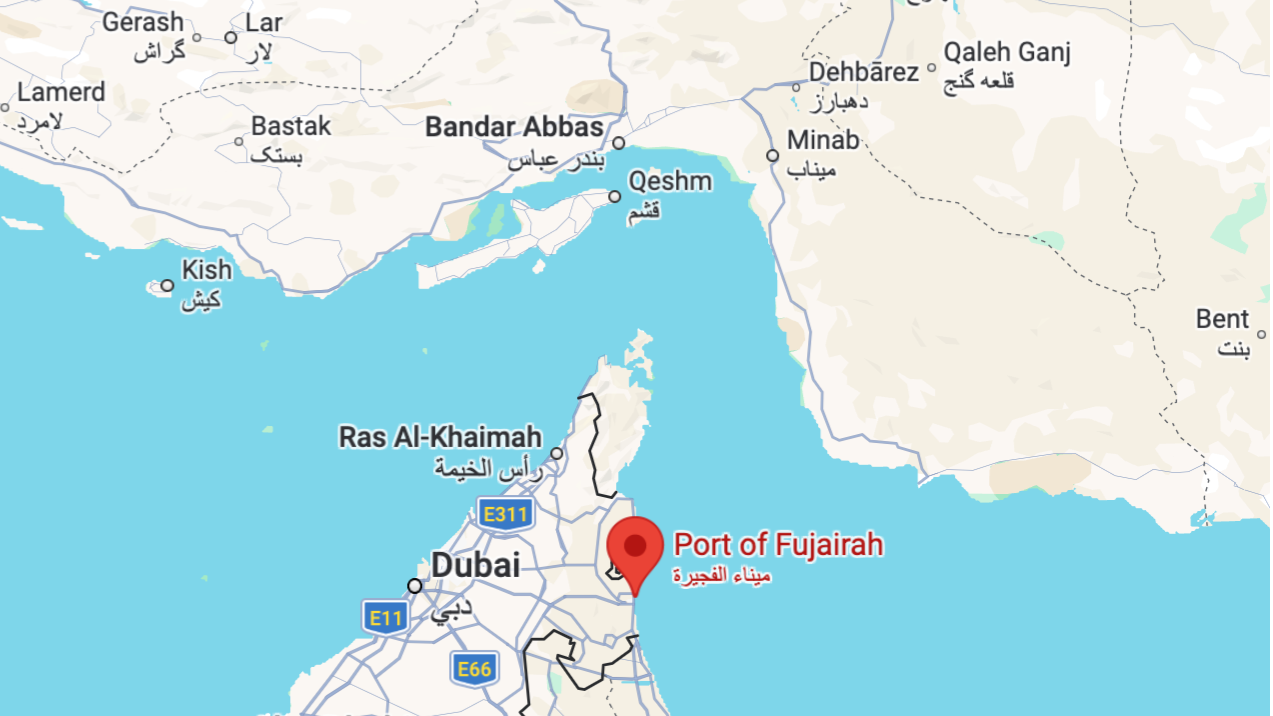
DP World plans to develop a new multipurpose port and container terminal on the UAE's east coast near Fujairah, bypassing the Strait of Hormuz. The project would lessen reliance on Jebel Ali, which has 19 million TEU annual capacity. The plan is early-stage with financing unresolved, according to a Financial Times report cited by FreightWaves.
 Trade
Trade US and Iran Trade Fire as Tensions Rise Over Strait of Hormuz
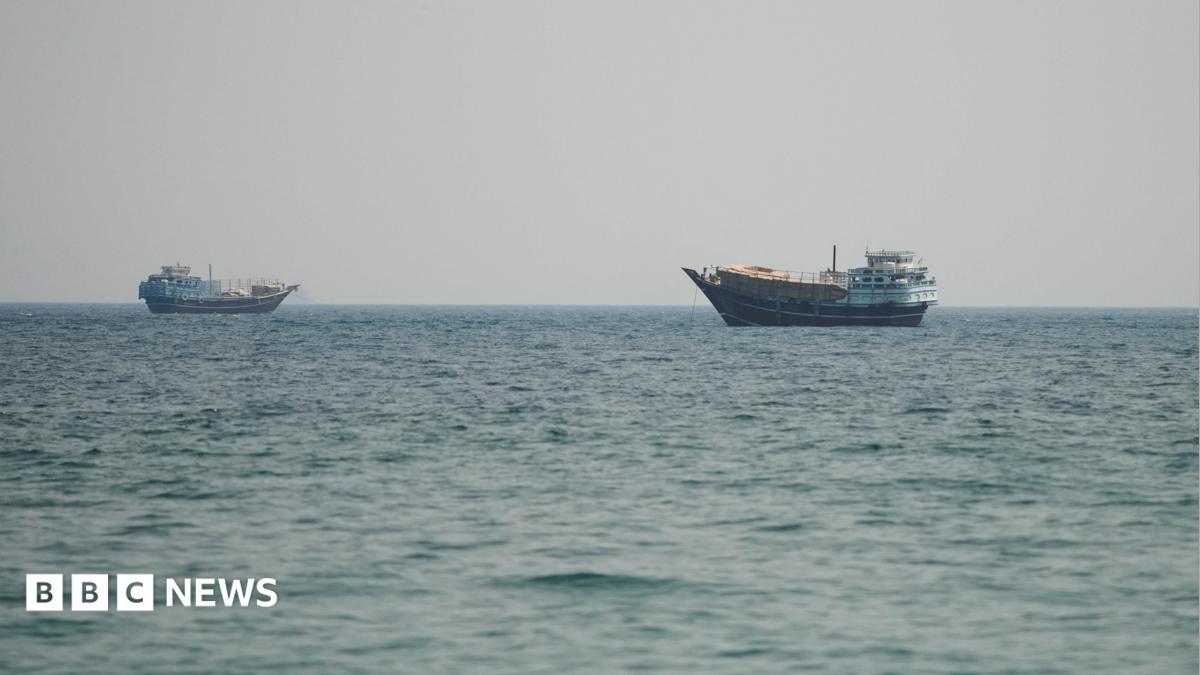
The US launched a new attack on Iran on Sunday evening, killing one person, according to Iranian state media. Iran's Islamic Revolutionary Guard Corps (IRGC) responded by striking US military bases in Kuwait, Jordan, and Bahrain. The Strait of Hormuz remains at the center of conflicting claims—Iran says it is closed, the US insists it is open. Oil prices jumped 4.3% in Asia on Monday, with Brent crude at $79.26 a barrel.
 Logistics
 Container Ship Attacked in Strait of Hormuz as Iran Widens War, Disrupting Global Trade
Iran attacked the container ship GFS Galaxy in the Strait of Hormuz, setting it afire and forcing crew to abandon ship. Iran declared the strait closed to vessel traffic and expanded missile/drone attacks on several Gulf states. Energy prices surged, and Maersk's planned Suez restart is threatened.
 Logistics
 Strait of Hormuz Security Collapses After Boxship Attack; US and Iran Trade Strikes
The security situation in the Strait of Hormuz deteriorated sharply after a 7,000 TEU container vessel operated by Global Feeder Shipping was attacked and caught fire. The US launched further strikes on Iranian targets, and Iran retaliated with missile and drone attacks across the Gulf. Iran declared the strait closed while the US insists it remains open, creating uncertainty for shipping.
 Logistics
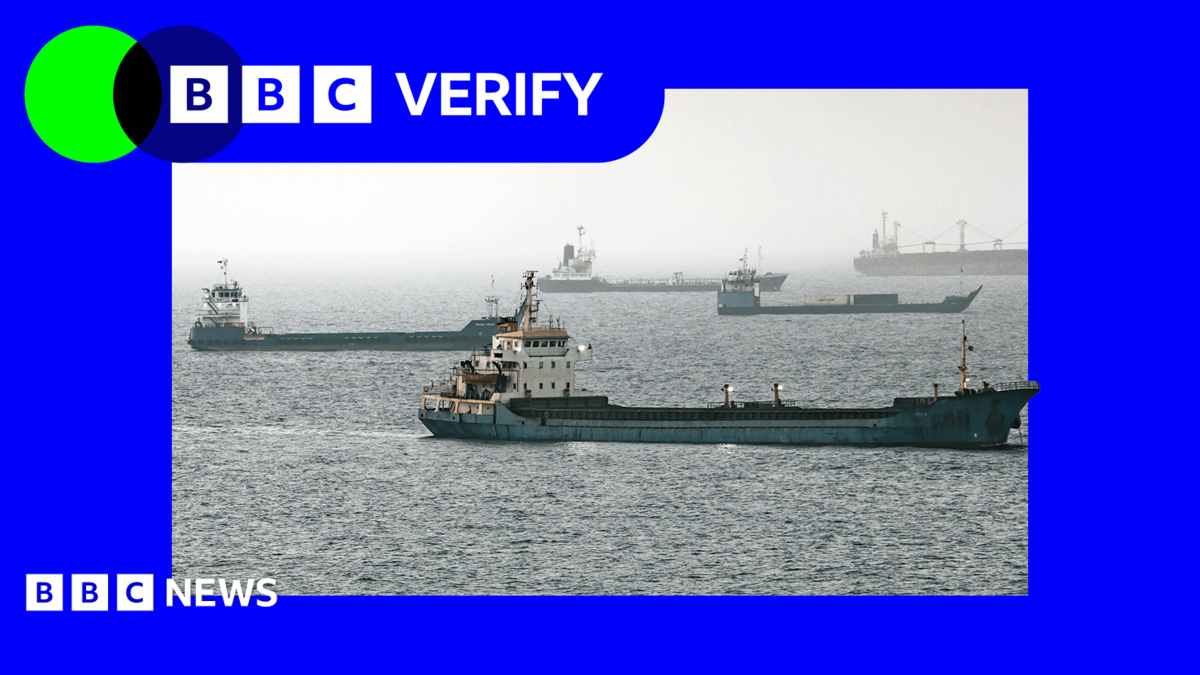
 Strait of Hormuz Ship Traffic Plunges After US-Iran Strikes on Tankers
Traffic through the Strait of Hormuz fell steeply to 23 ships on Wednesday 8 July, down from 47 a week earlier, after attacks on three tankers and renewed US-Iran strikes. The drop follows a fragile peace deal signed 17 June that had temporarily boosted crossings to 72 ships. Iran insists only its approved northern route is safe, while the US recommends a southern Omani corridor. Logistics operators face heightened risk, potential delays, and rerouting decisions.
 Logistics
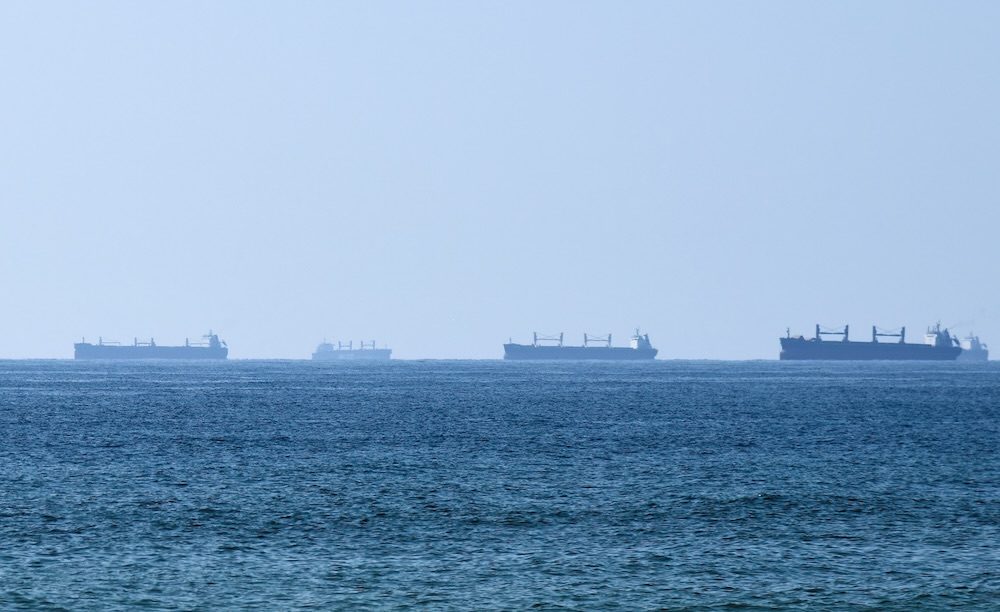
 Strait of Hormuz Near Standstill, Ukraine Strikes, Evergreen Raided, ZIM Sale Faces Hurdles
The Strait of Hormuz saw a near standstill after US strikes on Iran, with three vessels attacked. Ukraine escalated attacks on Russian shipping. Evergreen Marine was raided in Taiwan. The ZIM sale to Hapag-Lloyd faces political opposition. The Panama Canal will reduce neopanamax draught limits.
Logistics Strait of Hormuz Traffic Near Standstill as Trump Declares Ceasefire 'Over' After US Strikes on Iran
Traffic through the Strait of Hormuz came to a near standstill on July 9 after a second day of US strikes on Iran, with President Trump declaring the ceasefire 'over.' Iran struck Kuwait and Bahrain, and attacks on three commercial vessels—including an LNG carrier and two VLCCs—prompted an IMO evacuation framework suspension. The Joint Maritime Information Centre raised the threat assessment to severe, and Iran threatens to close the strait completely.
 Trade
Trade How India managed the Strait of Hormuz crisis without disrupting household energy supplies
India successfully managed the Strait of Hormuz crisis triggered by a US-Israel strike on Iran on February 28, avoiding disruption to household energy supplies. The response involved a rapid LPG Control Order, a surge in domestic LPG production from 35,000 to 54,000 tonnes/day, and diplomatic efforts to secure passage. The crisis was cushioned by a decade of infrastructure investments including doubling LPG import terminals to 22 and expanding refinery capacity to 258 million tonnes per annum.
 Commodities
 India Lifts Emergency Natural Gas Curbs After Strait of Hormuz LNG Shipments Resume
The Indian Ministry of Petroleum and Natural Gas has withdrawn emergency provisions under the Natural Gas (Supply Regulation) Order, 2026, which had allowed prioritised allocation of domestic gas and imported LNG. The curbs were imposed in March 2026 following disruptions to LNG shipments via the Strait of Hormuz. Their removal follows a ceasefire in the West Asia conflict that has restored LNG flows through the strategic waterway.
 Trade
Trade US revokes Iranian oil sanctions waiver after three tankers hit in Strait of Hormuz
The United States revoked a sanctions waiver allowing Iranian oil sales after three tankers were hit by projectiles in the Strait of Hormuz. The license, issued under an interim US-Iran agreement, was lifted due to Tehran's 'unacceptable' actions. Iran condemned the move as a breach of the deal.
Logistics Strait of Hormuz Crisis: Tanker Attacks Trigger US Strikes, Threat Level Raised to 'Severe'
Three tanker attacks in 24 hours — including a Qatari LNG carrier and a Saudi-linked VLCC — have pushed the Strait of Hormuz back into crisis mode. The US responded with strikes on Iranian military infrastructure, and the Joint Maritime Information Center raised the threat level to 'severe'. The escalation reverses a fragile recovery from last month's ceasefire and threatens commercial shipping through the vital waterway.
Logistics Projectile strike near Strait of Hormuz tests fragile recovery of commercial shipping
A tanker was struck by an unknown projectile near the Strait of Hormuz on Monday, testing the fragile recovery of commercial shipping following last month's US-Iran ceasefire. The incident occurred near the US-coordinated southern transit corridor off Oman, and authorities continue to warn of a 'substantial' maritime security threat. Meanwhile, bulk carriers carrying sulphur face severe corrosion risks from prolonged delays.
 Commodities
 Crude Oil Futures Gain as Attacks on Ships in Strait of Hormuz Heighten Geopolitical Risk
Crude oil futures rose on Tuesday morning following reports of attacks on ships in the Strait of Hormuz. September Brent futures gained 0.64% to $72.45, while WTI rose 0.55%. The UKMTO reported a tanker hit by a projectile off Oman, and US officials said Iran fired missiles at commercial vessels.
 Commodities
 OPEC+ agrees fresh August oil output hike as Strait of Hormuz reopens
OPEC+ has agreed to increase oil production quotas by 188,000 barrels per day (bpd) from August, continuing the unwinding of earlier cuts. The decision comes as the Strait of Hormuz reopens following a US-Israeli war on Iran that had disrupted exports. Oil prices have retreated to pre-war levels, with Brent crude settling near $72 per barrel.
 Commodities
 India lifts gas supply restrictions as LNG flow through Strait of Hormuz resumes
The Indian government has withdrawn its March 2026 order regulating natural gas supply, allowing normal LNG imports to resume as Strait of Hormuz reopens after a ceasefire. The emergency measures had prioritised supply for domestic PNG and CNG while reducing fertiliser sector allocations. India, the fourth-largest LNG importer, sources 41.4% of its LNG from Qatar.
 Commodities
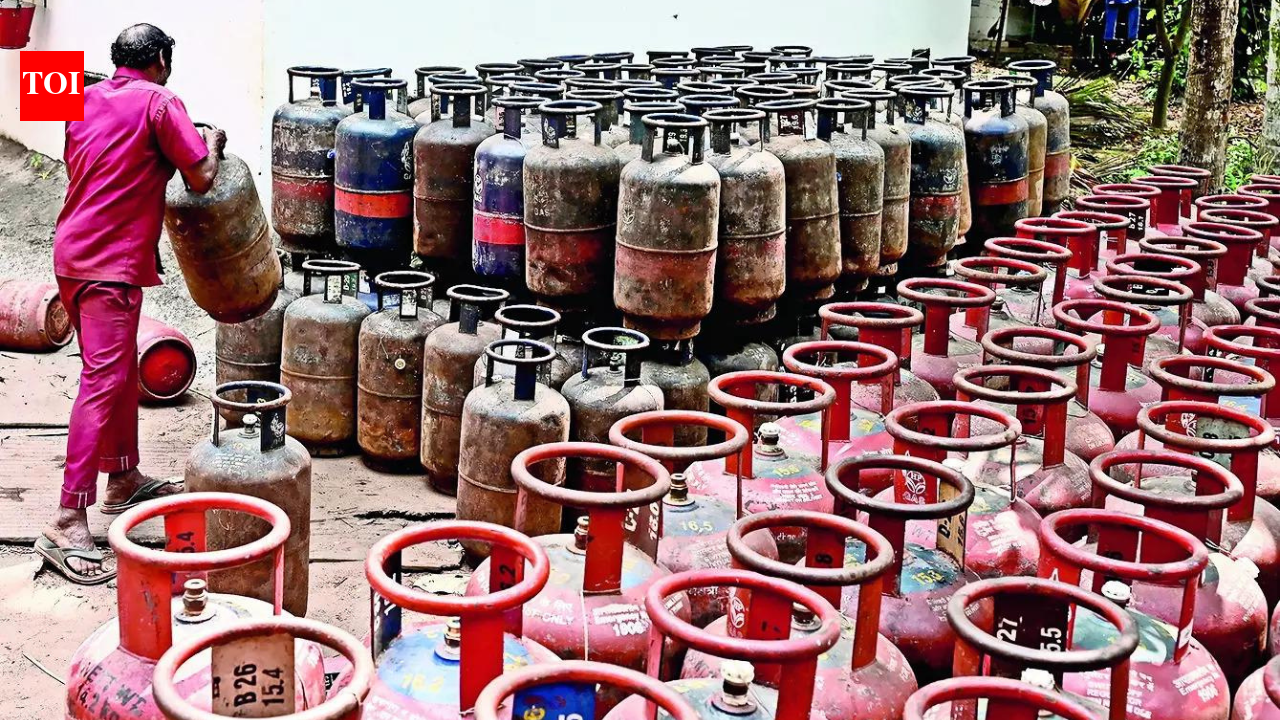
 India Plans 30-Day LPG Storage Buffer After Iran War Exposes Hormuz Supply Risk
State-run OMCs in India are developing a 30-day strategic LPG reserve to mitigate supply risks highlighted by the Iran conflict, with BPCL investing roughly Rs 5,000 crore to nearly double its storage capacity. The plan includes expanded onshore, underground, and floating storage, alongside import diversification from the US, Europe, and Russia. India imports nearly 60% of its LPG, with about 90% of those imports passing through the Strait of Hormuz.
 Logistics
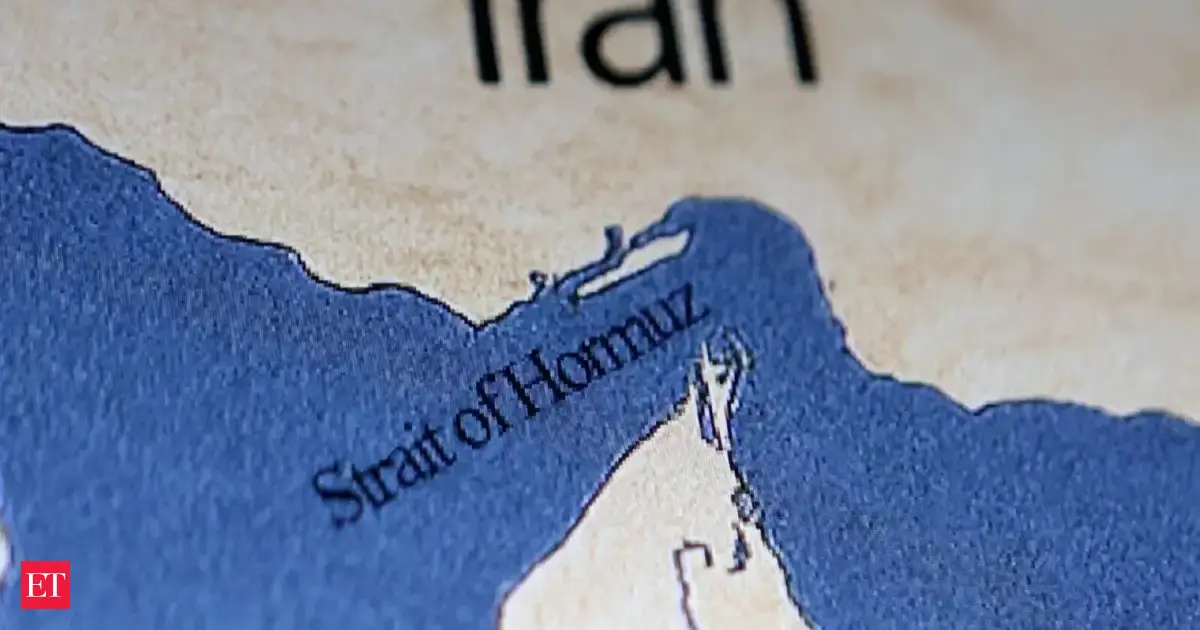
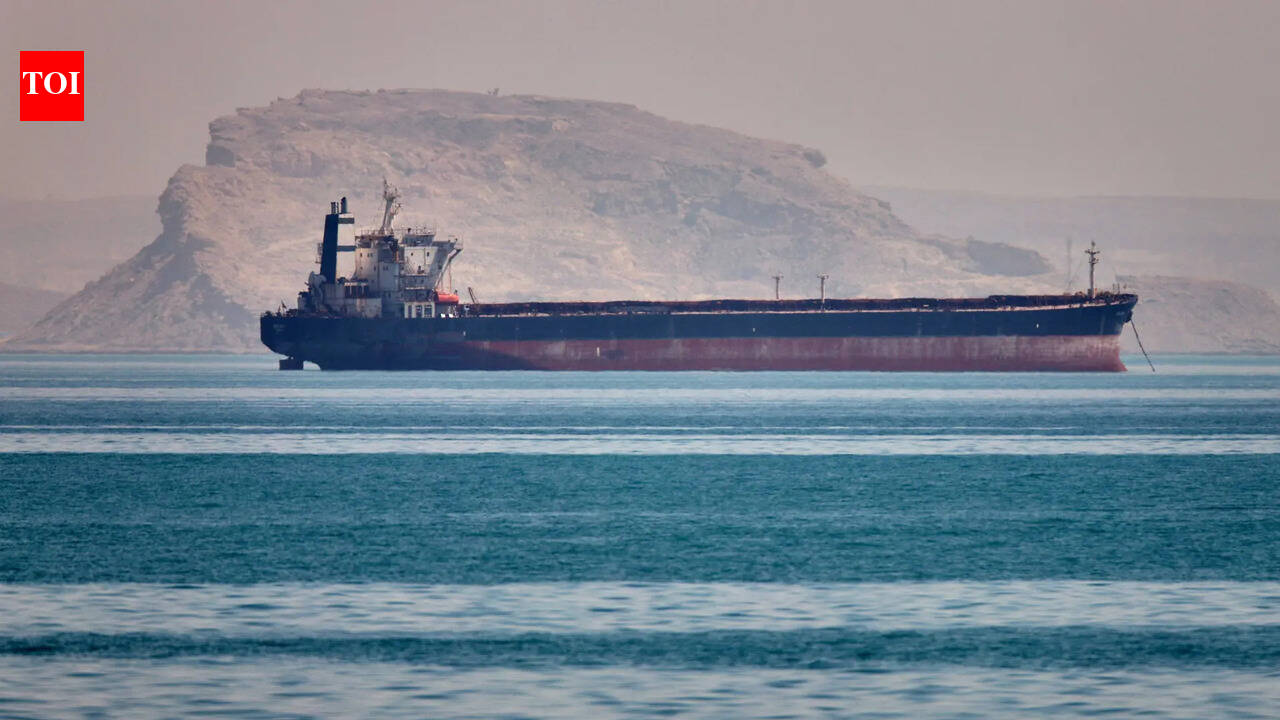
 Strait of Hormuz Operations at Risk as Iran-Oman Toll Plan Threatens Global Oil and LNG Flows
Iran and Oman are considering charging ships for transit through the Strait of Hormuz, a vital chokepoint for about one-fifth of global oil and LNG trade. The move follows a months-long blockade triggered by conflict, and despite a June 17 MoU that reopened the strait, attacks on vessels continue. The legal status of such tolls is disputed, with the US warning of 'total chaos'.
 Logistics
 Strait of Hormuz traffic picks up again as supertankers return after attacks
The Strait of Hormuz is seeing a revival in traffic after a tense period of attacks and retaliatory strikes. Around 24 vessels passed through on Monday, including supertankers from Sinokor and Bahri, capable of carrying up to 9 million barrels of crude. The movement follows US strikes on Iran and a halt in hostilities ahead of peace talks.
 Logistics
 Strait of Hormuz Crisis Tests Trust Between Shipmanagers, Owners and Crews, Says InterManager President
The crisis in the Strait of Hormuz is testing relationships between shipmanagers, owners, and crews. InterManager president Sebastian von Hardenberg writes that mental well-being and transparent communication are critical. The industry's response will affect seafarer recruitment and retention.
 Logistics
 Strait of Hormuz traffic surges then halts after attack, evacuation paused
Ship traffic through the Strait of Hormuz surged to a three-month high on Wednesday after the US lifted sanctions on Iranian oil, but dropped sharply on Friday following an attack in the Gulf of Oman that halted an IMO evacuation operation for 11,000 stranded seafarers. The surge saw 73 vessels transit on Wednesday, but traffic fell by half after Iran warned ships to avoid the Omani coast. Major global carriers have not returned, and the IMO plans to reconfirm safety guarantees before resuming evacuations.
Logistics Evergreen Ship Hit at Hormuz Halts IMO Evacuation, Threatens Transit Resumption
Plans to restart commercial shipping through the Strait of Hormuz have been dealt a blow after an Evergreen containership was hit shortly after transiting the waterway, according to Splash247. The International Maritime Organization (IMO) has paused its evacuation operation for vessels trapped in the Gulf. The incident escalates security risks for ocean carriers and may force further route diversions and insurance cost increases.
 Commodities
 Crude Oil Down 2% as Strait of Hormuz Resumes Shipments Despite Vessel Strike Near Oman
Crude oil prices fell 2% on Friday, headed for an 8% weekly loss, as more tankers exited the Strait of Hormuz following a ceasefire deal. Saudi Aramco resumed loading at Ras Tanura after a four-month halt. Despite a vessel hit near Oman and earthquakes in Venezuela, supply concerns eased with increased flows, while demand from China remained weak.
 Commodities
 Crude Oil Dips to $75 as Tankers Resume Hormuz Transit After Ceasefire
Crude oil prices edged lower on Friday as more tankers moved through the Strait of Hormuz following a ceasefire, easing supply disruption concerns. Brent crude fell 0.41% to $74.95/barrel, while WTI slipped 0.44% to $71.60/barrel. Weekly losses are about 7% for both benchmarks, despite earlier gains from a cargo ship attack near Oman and Venezuela earthquake worries.
 Logistics
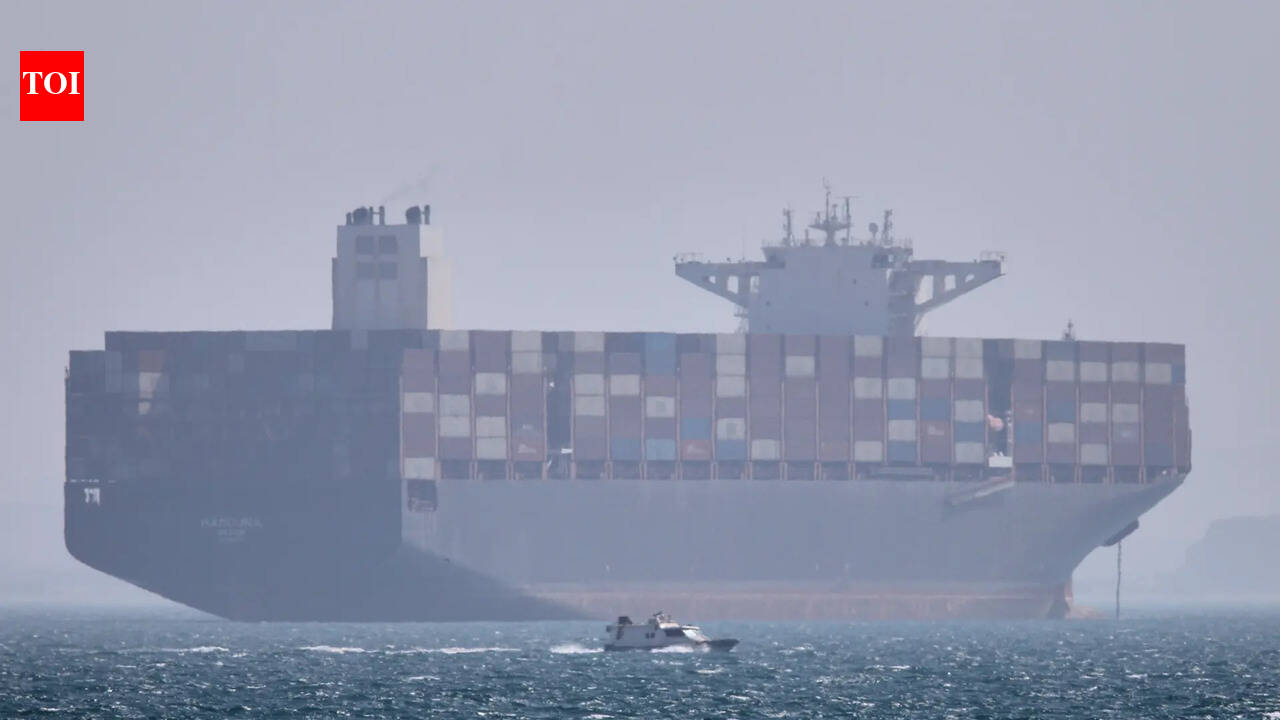
 New Attack on Cargo Vessel in Strait of Hormuz Threatens Fragile Shipping Resumption
A cargo vessel in the Strait of Hormuz was struck by an unknown projectile, damaging the bridge. The UK Maritime Trade Operations reported no casualties or environmental impact. In response, the International Maritime Organization suspended its support for vessel movements, and Iran's Navy announced restrictions on unauthorised routes, threatening the fragile resumption of global shipping through the waterway.
 Commodities
 Strait of Hormuz Reopens: Middle East Oil Exports to Climb to 4-Month High
The Strait of Hormuz is recovering after over 100 days of disruption, with Middle Eastern fuel oil exports expected to reach 2.4 million metric tons in June, a 20% increase from May. Exports are driven by supply diversions from Iraq and Saudi Arabia, though volumes remain below pre-war averages. Uncertainty over the US-Iran peace deal durability keeps shipping cautious.
 Logistics
 Hormuz Hotline Opens Between US and Iran but Strait Remains Closed to Shipping
Qatar and Pakistan announced a direct US-Iran communication channel for the Strait of Hormuz following talks in Switzerland, but Iran's Fars News Agency reported the strait remains closed. HSBC cautioned shipping normalisation will lag, while BRS described the situation as a false start after a brief rise in traffic.
Trade Washington and Tehran Issue Conflicting Messages on Strait of Hormuz Transits
The United States and Iran issued contradictory statements over the weekend on the status of the Strait of Hormuz. US Central Command reported 55 merchant ships transited on Saturday, while Iran maintained the waterway was closed. Vessel-tracking data from Kpler showed only five ships passed on Sunday, down from 26 a day earlier, deepening confusion for shippers.
 Logistics
 Four fertiliser ships clear Strait of Hormuz; head to Indian ports
Four cargo vessels carrying urea, DAP and sulphur have successfully navigated the Strait of Hormuz amid West Asia tensions and are heading to Indian ports (Krishnapatnam, Kakinada, Paradeep, Mundra). The Ministry of Chemicals and Fertilisers reported that cumulative fertiliser stocks as of June 22 stood at 196.08 lakh tonne, up from 168.67 lakh tonne a year ago, with domestic production reaching 133.12 lakh tonne and imports at 43.69 lakh tonne since March 1.
 Commodities
 As Strait of Hormuz blockade continues, India pivots to US for record LPG and LNG imports in June
India's LPG and LNG imports from the US hit record levels in May 2026 as the Strait of Hormuz blockade disrupts Gulf flows. Provisional June data shows continued reliance on US supply, with LPG imports up 52% year-on-year and LNG up 46%. Analysts expect a gradual reopening from early July, with LPG flows normalizing first.
 Logistics
 Nearly 12 Ships Carrying Fertiliser Cross Strait of Hormuz Amid Iran Conflict Disruption
Nearly 12 ships carrying fertiliser have crossed the Strait of Hormuz, according to an Economic Times report, marking a partial resumption of shipping after US and Israeli strikes on Iran from February 28 disrupted the critical waterway. The vessels, including urea, DAP, ammonia, and sulphur carriers bound for India, had been stranded since the closure, which also choked LNG supplies and slowed domestic urea production. Global ammonia and sulphur prices hit multi-month highs, and a full normalisation could take months.
 Logistics
 Three Indian-Flagged Oil Tankers Cross Strait of Hormuz, Head Home with 94 Crew
Three Indian-flagged crude oil tankers — Desh Vaibhav, Desh Vibhor, and Sanmar Herald — successfully crossed the Strait of Hormuz on June 20, carrying over 8.6 lakh metric tonnes of cargo and 94 Indian crew members, according to Union Minister Sarbananda Sonowal. The transit follows the US lifting its blockade on Iran under a tentative truce. The vessels are scheduled to arrive at Vadinar, Sikka, and Paradip ports between June 24 and July 1. Commercial shipping traffic through the strait increased, with 55 vessels and 17 million barrels of oil moving on June 20, per US Central Command.
 Commodities
 Strait of Hormuz Reopens but Gas Prices Unlikely to Recover Soon, Experts Warn
President Trump signed an MOU with Iran reopening the Strait of Hormuz, but experts warn that US gas prices, which have jumped over 35% since late February, will not recover soon. The strait remains mined, shipping is risky, and oil production infrastructure needs time to restart.
 Logistics
 Strait of Hormuz reopening in phases from July, LPG to get priority for India imports
The Strait of Hormuz is expected to reopen in phases starting July, with priority given to LPG shipments given India's heavy dependence. Kpler's Sumit Ritolia outlines a three-phase recovery, with LPG imports likely to lead due to severe disruption, followed by LNG and crude. Crude imports remained resilient through bypass routes and alternative supplies.
 Commodities
 Indian refiners in no hurry to return to West Asian oil as Hormuz reopens despite ceasefire
Indian state-run refiners have enough crude for two months and are in no rush to resume West Asian purchases despite the Strait of Hormuz reopening after a US-Iran interim peace deal. They are weighing cheaper Russian crude and higher freight costs, with long-term supply commitments yet to be confirmed.
Logistics Strait of Hormuz Reopening Clouded by Diplomatic Cracks and Mine Risks, BIMCO Warns
The Strait of Hormuz recorded 17 transits on Thursday and two more early Friday, tentative signs of reopening after nearly four months. However, diplomatic cracks between the US and Iran over the ceasefire MOU and continued mine risks are prompting BIMCO to warn shipowners to wait for safe passage guarantees.
 Commodities
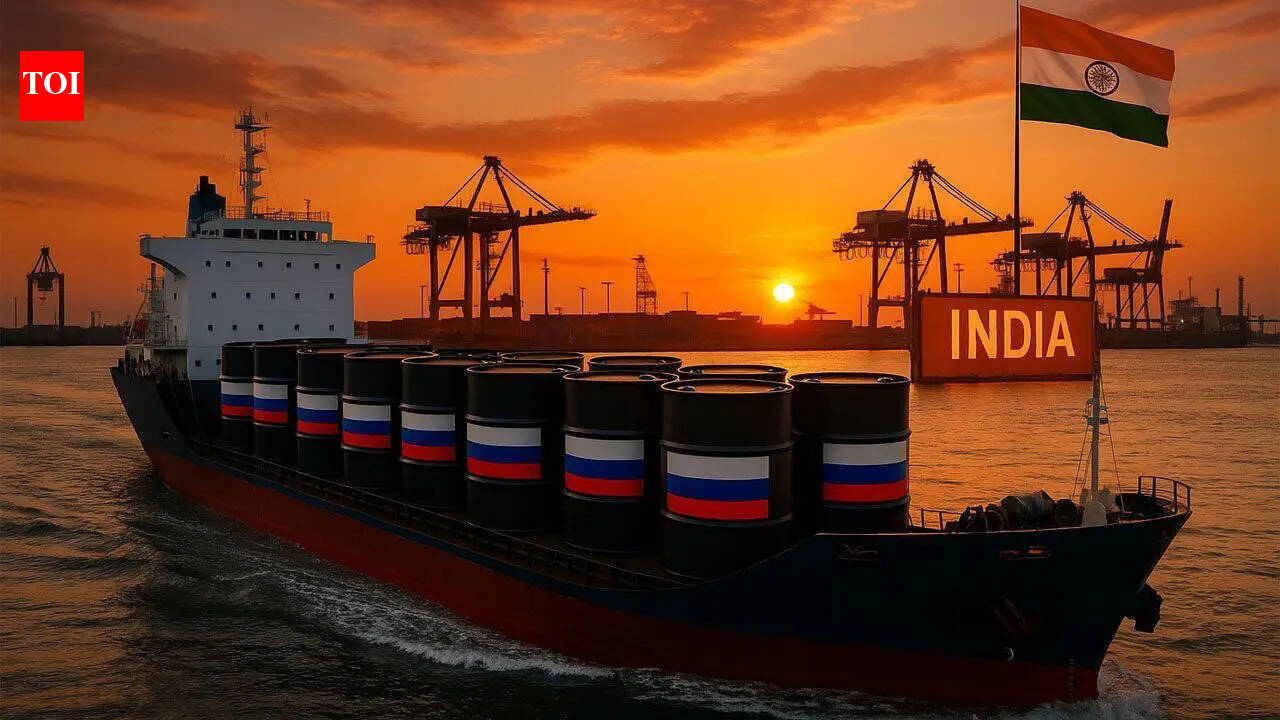
 Trump Lets Sanctions Waiver on Russian Crude Expire as US-Iran Peace Deal Progresses
The Trump administration allowed the sanctions waiver on Russian crude oil to expire as the US and Iran signed a peace deal memorandum. The waiver had enabled India to import discounted Russian oil. With the Strait of Hormuz expected to normalize, India may pivot to Middle Eastern, Iranian, and Venezuelan crude.
 Logistics
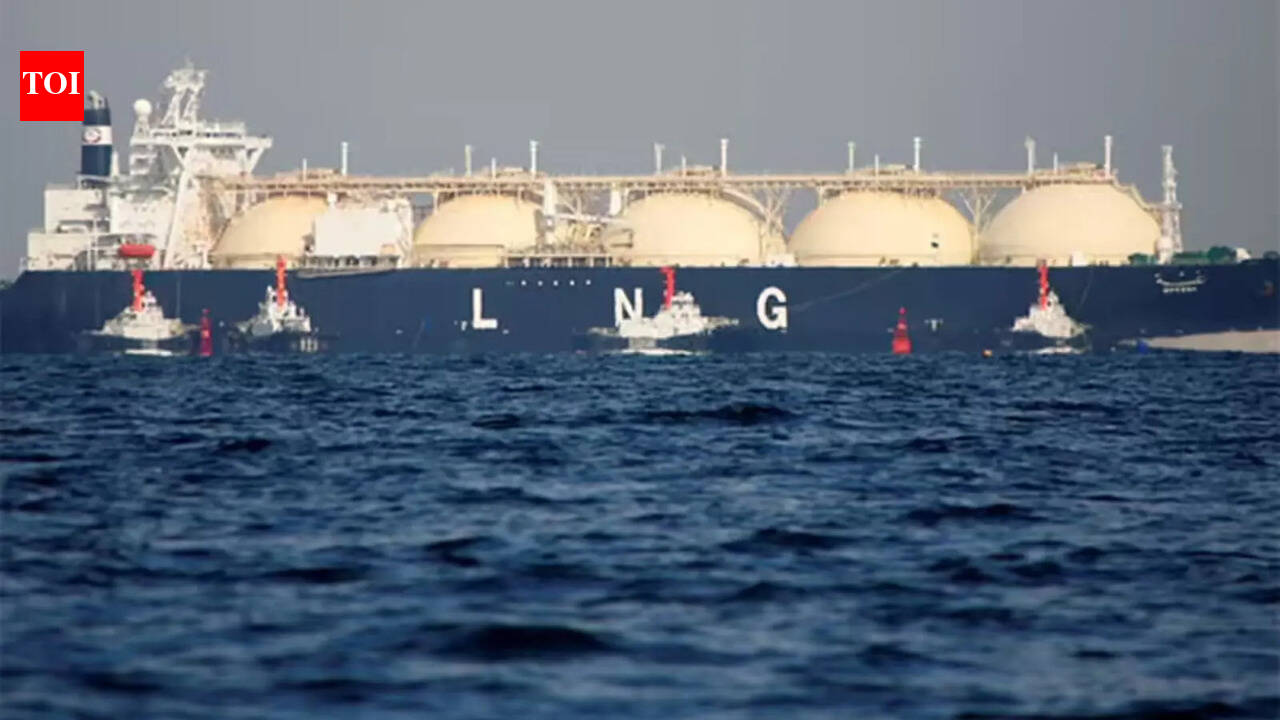
 Qatar LNG Tanker Sails for Hormuz as US-Iran Deal Reopens Critical Waterway
A QatarEnergy-chartered LNG tanker, the Mraikh, is sailing towards the Strait of Hormuz after a US-Iran interim agreement reopened the waterway, marking the first such movement in months. The vessel is expected to dock at Pakistan's Port Qasim, potentially easing the country's gas shortage. Qatar aims to restore most of its LNG export capacity within two months, but vessel availability remains a constraint.