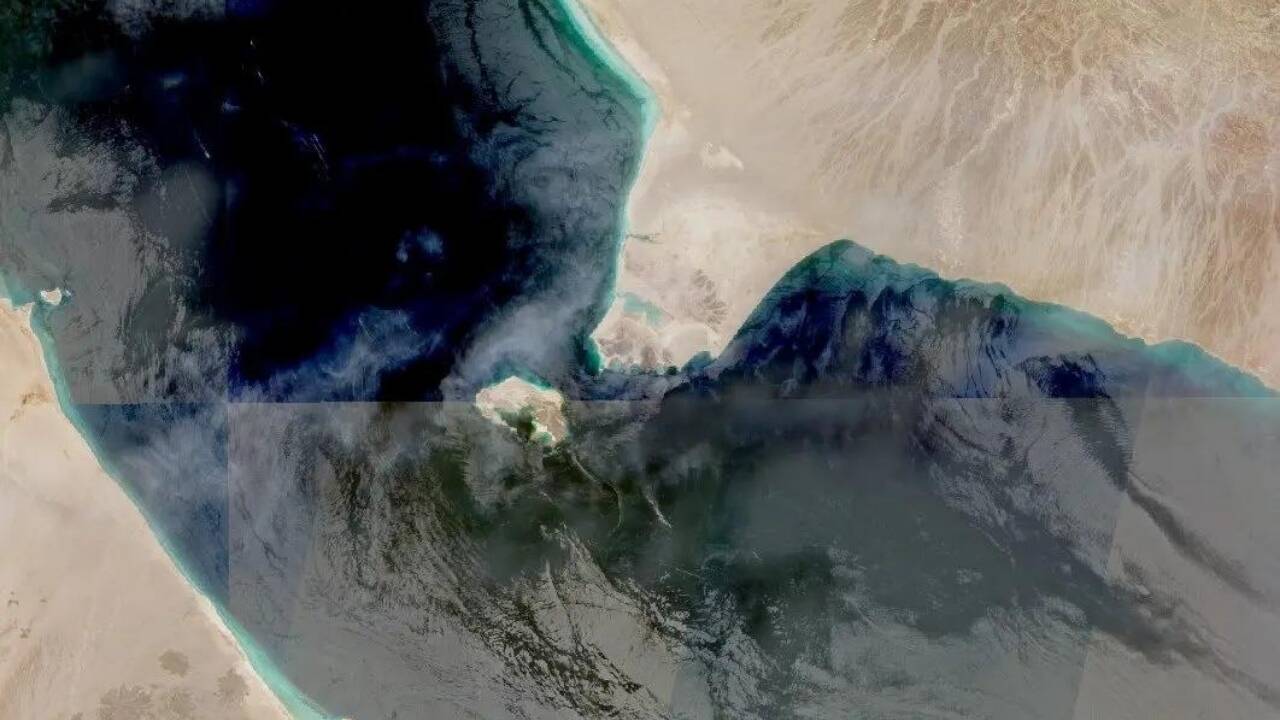
A fresh threat to global oil supply emerged this week as Yemen’s Iran-backed Houthi movement announced a maritime blockade against Saudi Arabia, raising concerns over the movement of millions of barrels of crude through the Red Sea. According to Business-Today, Brent crude, the global oil benchmark, fluctuated on Monday and was trading 0.2% higher at $88.23 a barrel as of 2:06 p.m. in London, amid expectations of both further escalation and possible de-escalation.
Houthi Announcement and Escalation
Houthi spokesperson Yahya Saree said in a video posted on his X account on Monday that the blockade on Saudi vessels would take effect immediately. The move, according to the group, is a response to what it describes as Saudi Arabia’s siege of Yemen’s capital, Sana’a. Relations between Saudi Arabia and the Houthis have deteriorated since last week after Riyadh carried out an attack on Sana’a airport. The Houthis responded by striking an airport in southern Saudi Arabia, marking the most serious escalation between the two sides since the 2022 ceasefire, Business-Today reported.
Supply Side: Red Sea Vulnerability
This development adds another layer of uncertainty to oil supplies from the Middle East. Shipping activity through the Strait of Hormuz—through which nearly one-fifth of global oil supplies moved before the US-led conflict with Iran—remains close to a halt as Tehran and Washington continue exchanging retaliatory attacks. Any disruption to Red Sea shipments, currently the primary route for Saudi Arabia's crude exports, would further intensify the impact on global oil trade, according to the article.
Following the outbreak of the war and Iran’s effective closure of the Strait of Hormuz, Saudi Arabia rerouted its crude exports through the Red Sea port of Yanbu. Shipments from Yanbu climbed to a record 4.19 million barrels per day last month, helping ease pressure on global supplies. However, the route remains vulnerable because tankers sailing through the Red Sea continue to face the threat of attacks from Houthi militants, who have targeted commercial vessels there in the past.
| Key Figures | Details |
|---|---|
| Brent crude price | $88.23/bbl, +0.2% (London 2:06 p.m.) |
| Yanbu crude exports (last month) | Record 4.19 million b/d |
| Strait of Hormuz oil flow | ~20% of global supply (pre-conflict) |
Historical Context and Demand-Side Considerations
In late 2023, the Houthis disrupted maritime traffic around the Bab el-Mandeb Strait at the southern entrance to the Red Sea for several months. Shipping through that strategic waterway was reduced to almost a standstill, forcing vessels to abandon the shortest maritime route linking Asia and Europe. This history underscores the potential for severe disruption to Saudi crude exports if the Houthis follow through on their blockade declaration.
On the demand side, global oil consumption remains robust, but the market is already contending with tight supply after the effective closure of the Strait of Hormuz. Any additional reduction in Saudi export volumes could further tighten balances and push prices higher, according to trading sources cited in the report.
Outlook and Key Data to Watch
Market participants are now watching for any actual interception of Saudi-flagged vessels or escalation in Red Sea attacks. The Houthi statement did not specify enforcement measures, but previous campaigns involved drone and missile strikes on commercial shipping. The next key data release will be the weekly US Energy Information Administration (EIA) inventory report, which may reflect the initial impacts of the Hormuz disruption. Meanwhile, OPEC+ compliance rates and spare capacity remain in focus as traders assess whether the group can compensate for potential supply losses from Saudi Arabia.
Sources: