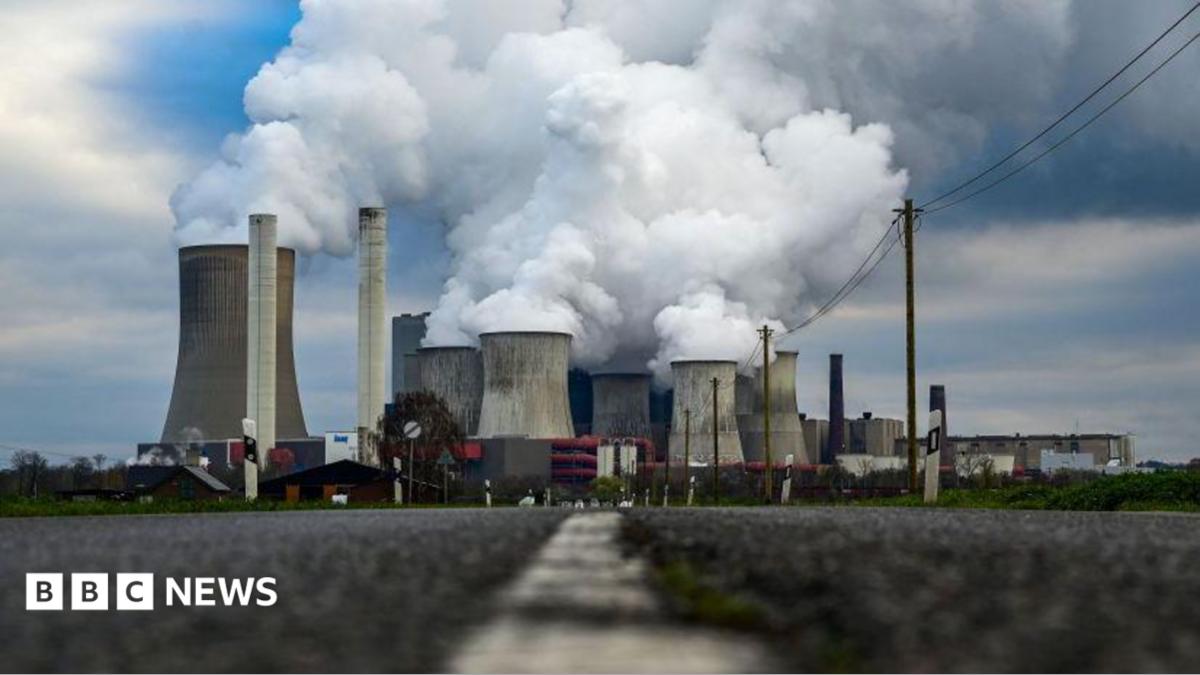
Germany, the largest user of coal for power generation in Europe and the fourth largest globally after China, India, and the US, is reconsidering its planned coal phase-out amid a sharp rise in natural gas prices, according to BBC News. The country has pledged to end coal use by 2038, with a faster 2030 deadline for lignite, the most polluting soft coal, but recent energy market turmoil is testing that commitment.
Coal vs Gas Pricing Dynamics
Currently, around 20% of German power generation comes from coal, and the government had planned to replace it with natural gas as a backup for wind and solar, especially in winter. Gas accounts for 13% of electricity generation and emits about half the CO2 of coal, BBC reported. However, the global gas price spike triggered by the US-Israel conflict with Iran has made this transition costly. Germany imports 95% of its natural gas, while it has abundant domestic lignite reserves—the largest in Europe and third largest globally. This self-sufficiency makes lignite financially appealing when gas prices climb, the source noted.
In March 2025, Chancellor Friedrich Merz stated: "We must supply this country with electricity. I am not prepared to jeopardise the core of our industry simply because we have adopted phase-out plans that have become unrealistic," according to BBC. This statement has fueled speculation that Germany might delay or soften its coal exit.
Industry and Environmental Reactions
LEAG, Germany's second-largest lignite miner, has welcomed the government's renewed focus on energy security. BBC quoted LEAG saying: "We very much welcome the fact that the German federal government is placing not only medium, but also long-term, security of supply at the heart of its energy policy considerations." The company noted it had already increased lignite supplies after Russia's 2022 invasion of Ukraine halted Russian gas imports, demonstrating its ability to quickly return to the market.
Conversely, Hauke Hermann, a senior researcher at the Öko environmental research institute, argued that more coal is not the answer. He called for a faster build-out of renewables instead, BBC reported.
Wolfgang Große Entrup, director general of the German Chemical Industry Association (VCI), emphasised industry's need for reliable energy. "Renewable energy alone cannot yet guarantee this… Companies will only invest billions if they can trust that energy will remain reliably available at competitive prices in the future," he said, according to BBC.
Summary of Positions
| Stakeholder | Position | Key Quote (paraphrased) |
|---|---|---|
| Chancellor Merz | Prioritise electricity supply over rigid phase-out | "Not prepared to jeopardise industry" |
| LEAG | Supportive of extending coal use | Welcomes security-of-supply focus |
| Öko Institute | Opposes more coal, wants faster renewables | "More coal is not the answer" |
| VCI (Chemical Industry) | Needs reliable, competitive energy | "Renewable energy alone cannot yet guarantee this" |
While no major party except the far-right AfD calls for scrapping the phase-out entirely, a possible compromise is loosening the timeline, BBC noted. The government faces a dual challenge of supply and price: cheap domestic lignite versus expensive imported gas, with nuclear no longer an option after the last plants closed in 2023. The outcome will be closely watched by energy traders and industrial consumers across Europe, as Germany's energy policy influences regional power prices and fuel demand.
Sources: