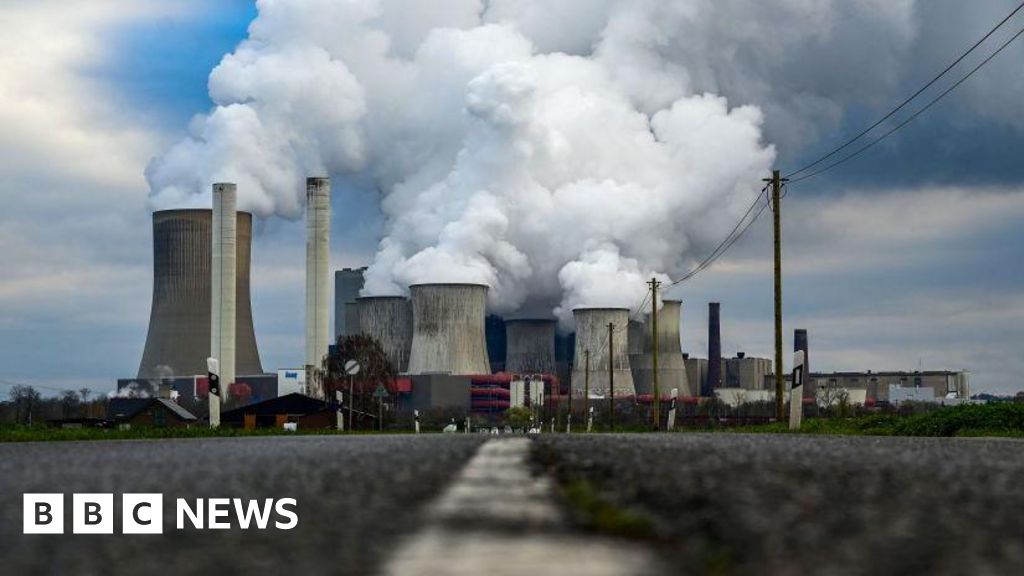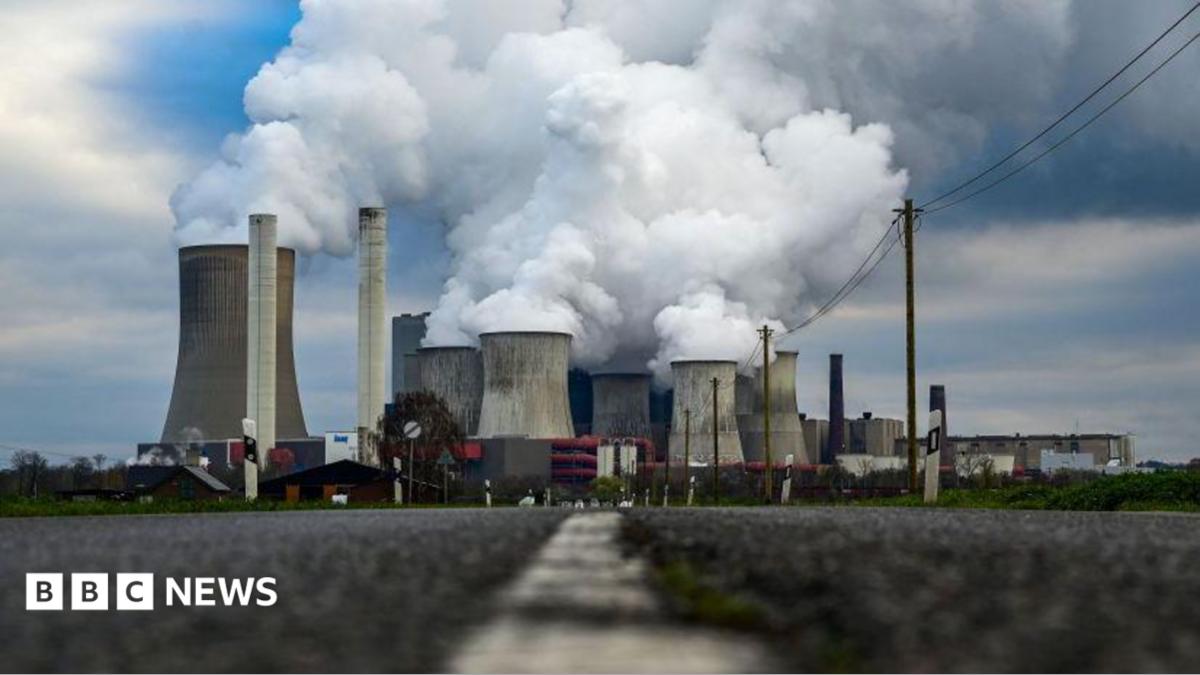
Germany is reconsidering its coal phase-out plans as global gas prices surge following the US-Israel conflict with Iran, according to a BBC report. The country currently obtains 20% of its electricity from coal, but had pledged to end coal use by 2038, and lignite, the most polluting variety, by 2030.
The Coal Phase-Out Plan
Germany is the biggest user of coal for power generation in Europe and the fourth largest in the world after China, India and the US, the BBC reported. The country has committed to a "coal phase out" (kohleausstieg) by 2038, with an earlier deadline of 2030 for lignite. Meanwhile, renewables already supply 59% of German electricity, and natural gas accounts for 13%.
Gas Price Shock and Global Shift
The recent jump in global gas prices, driven by the US-Israel conflict with Iran, has encouraged several countries to reconsider coal, the BBC stated. Japan loosened rules to allow increased use of coal-fired power plants, Italy delayed closure of its remaining stations until 2038, and India postponed maintenance shutdowns.
Germany's Energy Dilemma: Cheap Lignite vs. Imported Gas
Germany faces a dual challenge of supply and price, the BBC noted. It has abundant, cheap lignite — the largest reserves in Europe and third largest globally — and is entirely self-sufficient in the fuel. In contrast, it imports 95% of its natural gas supplies. When gas costs spike, switching to lignite becomes financially appealing. Nuclear power is not an option, as Germany closed its last nuclear stations in 2023.
In March, Chancellor Friedrich Merz said: "We must supply this country with electricity. I am not prepared to jeopardise the core of our industry simply because we have adopted phase-out plans that have become unrealistic."
LEAG, Germany's second biggest lignite miner, welcomed the potential policy shift. In a statement it said: "We very much welcome the fact that the German federal government is placing not only medium, but also long-term, security of supply at the heart of its energy policy considerations." LEAG highlighted that it had already increased lignite supplies to compensate for the halt of Russian gas imports after Russia's 2022 invasion of Ukraine.
| Energy Source | Share of German Electricity Generation |
|---|---|
| Coal | 20% |
| Natural Gas | 13% |
| Renewables | 59% |
Industry and Environmental Voices
The chemical industry, represented by Wolfgang Große Entrup, director general of the German Chemical Industry Association (VCI), called for reliable energy: "Our industry needs reliable energy. Renewable energy alone cannot yet guarantee this… Companies will only invest billions if they can…" (the BBC article text cuts off).
By contrast, Hauke Hermann, a senior researcher at the Öko environmental research institute, argued that more coal is not the answer and urged a further increase in renewables.
Outlook
Germany's energy policy debate centres on balancing climate goals with industrial competitiveness. With gas prices elevated and lignite cheap and domestic, the pressure to slow the coal phase-out is mounting. The BBC noted that the government must decide whether to hold to its 2030/2038 deadlines or adjust them to ensure supply security. The outcome will have significant implications for European energy markets and emissions trajectories.
Sources: