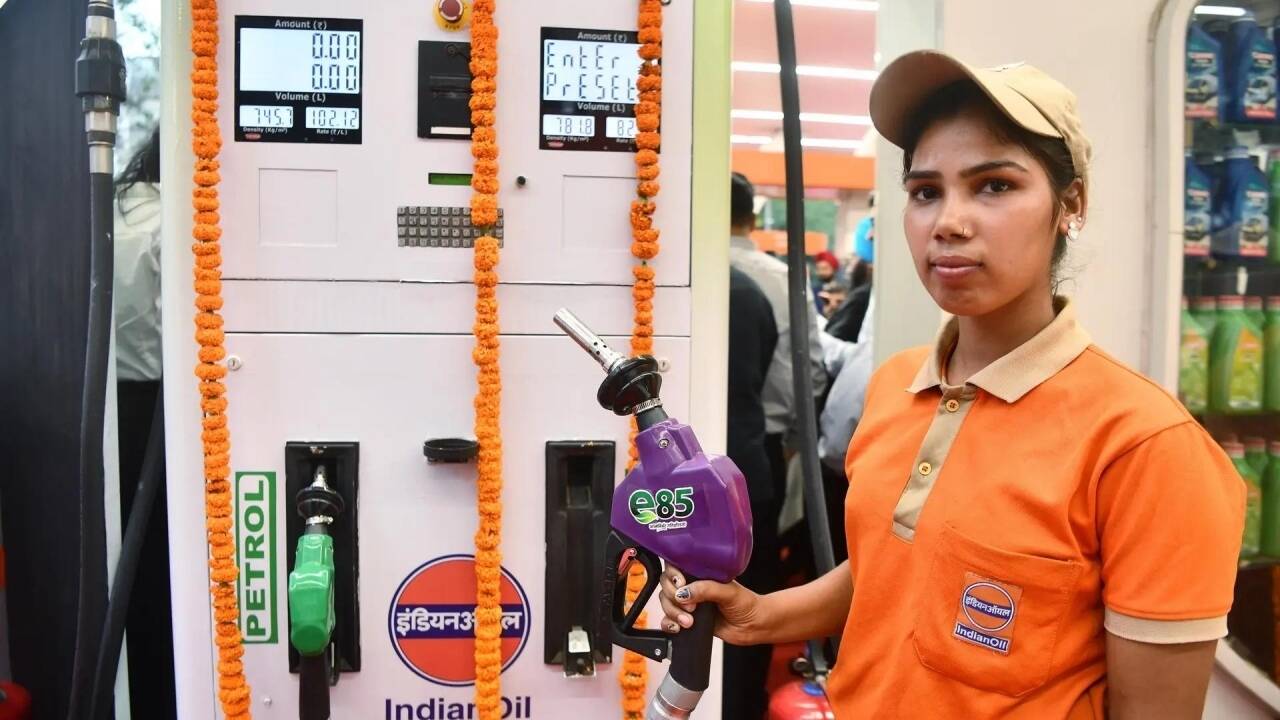
The Ministry of Petroleum and Natural Gas on Tuesday issued an unusually combative defence of E20 petrol, accusing some social media users of recycling old videos and images to "garner viewership through sensationalism" and create "unwarranted concerns regarding ethanol-blended fuel," even as the government begins laying the groundwork for an eventual E100 ecosystem, according to a report by The Hindu BusinessLine.
Background: E20 and the Ethanol Blending Programme
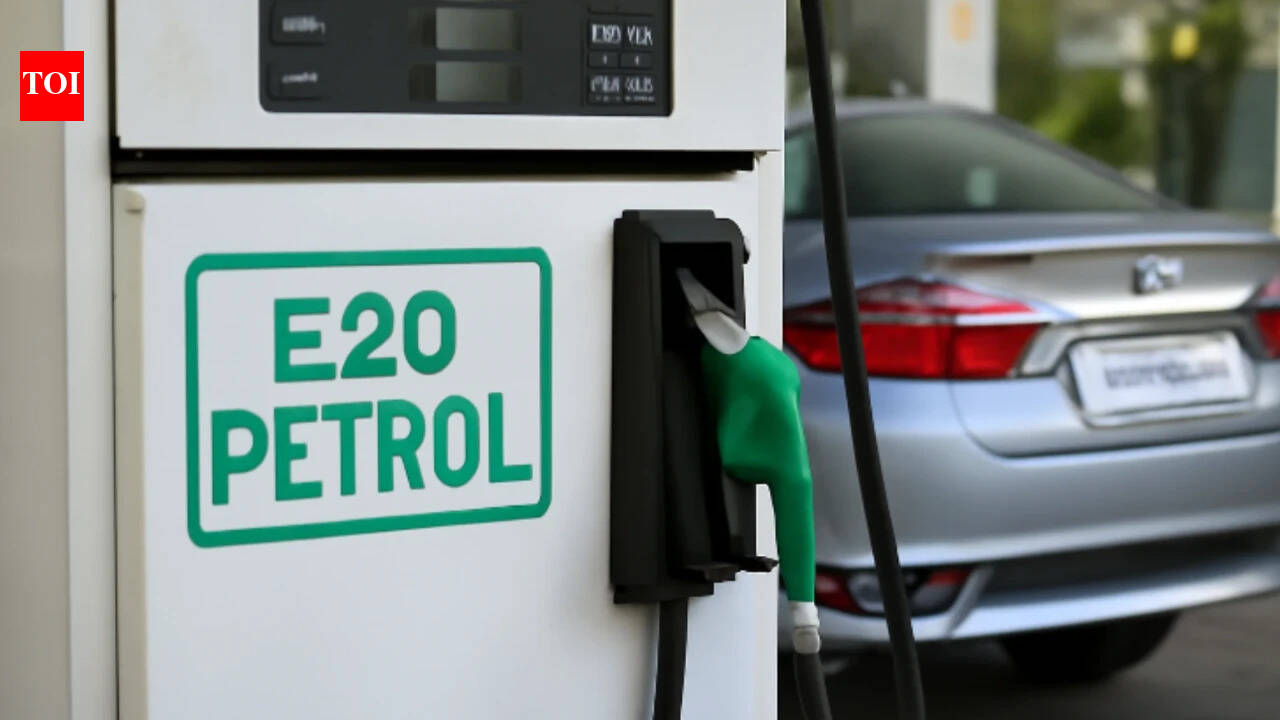
India has already crossed the milestone of achieving its 20% ethanol blending target ahead of schedule, the ministry stated. According to the ministry, the ethanol blending programme has helped save the country more than ₹1.4 lakh crore in foreign exchange by reducing crude oil imports, while creating sustained demand for agricultural feedstocks and strengthening farmers' incomes. The programme is described as "scientifically validated and continuously monitored by the Government."
Government's Response to Viral Claims
The ministry's statement directly addressed allegations that ethanol-blended petrol can damage engines, attract insects, absorb water, compromise fuel quality, or affect vehicle insurance validity. The government rejected these as "misleading and unsubstantiated." It noted that no widespread engine failures or vehicle breakdowns linked to ethanol blending have been reported since the introduction of E20 petrol. Furthermore, the ministry alleged that "certain individuals are creating and sharing videos on social media falsely portraying sugarcane juice as being mixed directly with petrol," calling such content "misleading and baseless."
The statement marks one of the government's strongest public interventions yet to counter criticism of the ethanol programme and comes at a pivotal moment for India's biofuel ambitions. The ministry suggested some content was being amplified for attention rather than public awareness, stating: "It has also been observed that old images and videos are being recirculated in an apparent attempt to garner viewership through sensationalism and create unwarranted concerns regarding ethanol-blended fuel."
Implications for Ethanol Roadmap and Flex-Fuel Vehicles
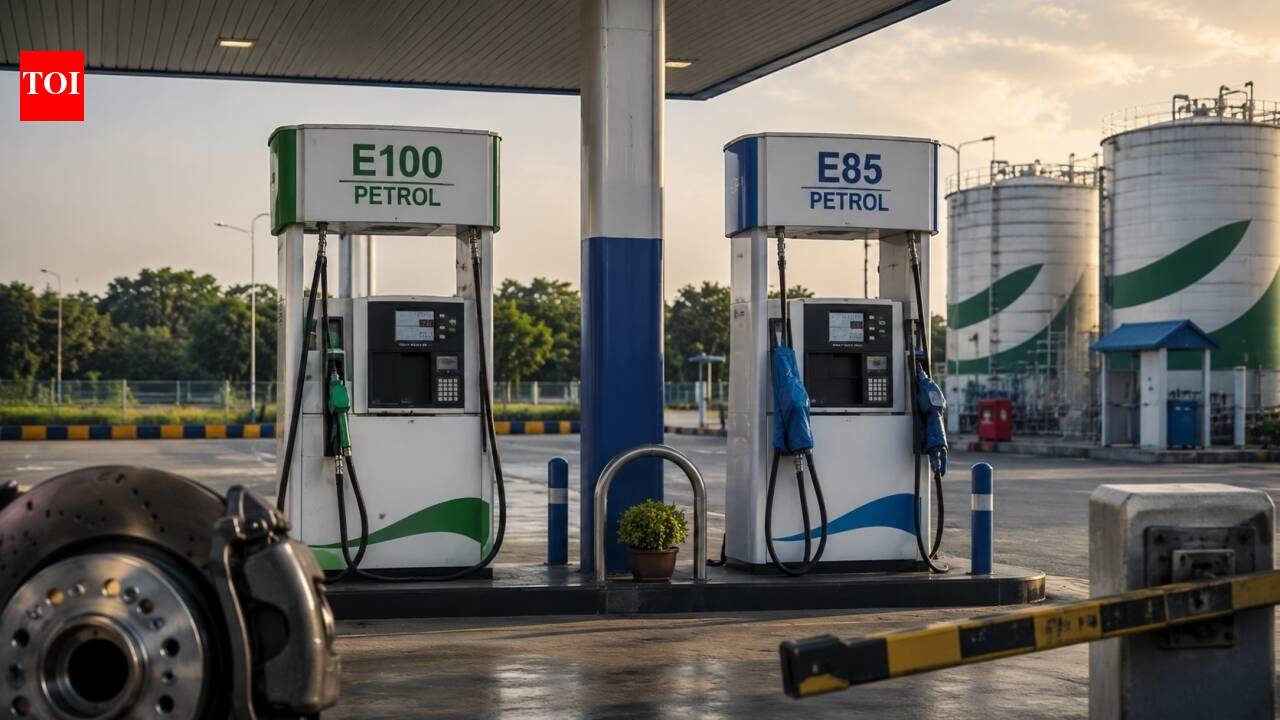
The government's intervention comes shortly after policymakers began outlining a roadmap for E100 and discussing a future built around higher ethanol usage and flex-fuel vehicles. That changes the nature of the ethanol transition. Unlike E20, where consumers effectively receive blended fuel by default, the next phase will increasingly require motorists to actively choose ethanol-based fuels. Flex-fuel vehicles can operate on both petrol and ethanol, meaning adoption will depend not only on availability and pricing but also on public confidence in ethanol itself.
Throughout the statement, the ministry repeatedly returned to the theme of scientific validation, adding that higher blending levels have been tested and approved by automotive research associations, engineering bodies, and vehicle manufacturers. Engines and vehicles are designed and tested to operate seamlessly on ethanol-blended fuels.
| Fuel | Blending Level | Consumer Choice | Vehicle Compatibility |
|---|---|---|---|
| E20 | 20% ethanol, 80% petrol | Default at pumps | Most existing vehicles approved |
| E100 | Up to 100% ethanol | Active choice required | Flex-fuel vehicles only |
Outlook for Ethanol as a Commodity
Policymakers are now shifting attention to the next phase of the transition—one that will depend not only on production capacity and blending mandates but also on whether consumers are willing to embrace ethanol-rich fuels. The ministry's unusually direct language reflects how seriously policymakers appear to be taking the issue. Fuel policy communications typically focus on economics, energy security and environmental benefits. This time, the government chose to confront social media narratives head-on to protect ethanol's credibility as India prepares for the next stage of its biofuel strategy. For commodity traders and agribusiness executives, the successful rollout of E100 and flex-fuel vehicles could significantly boost domestic ethanol demand, supporting sugarcane and grain prices, while reducing India's crude oil import dependence.
Sources: