Indian oil marketing companies (OMCs) are pushing back against a large-scale rollout of E85 fuel, even as the country debates the impact of E20 petrol on vehicle performance and mileage, according to a Business Today report. The reluctance stems from an earlier experience with E100—a pure ethanol fuel—that failed to generate consumer demand, raising concerns about the viability of higher ethanol blends.
Background on E100 and E85 fuels
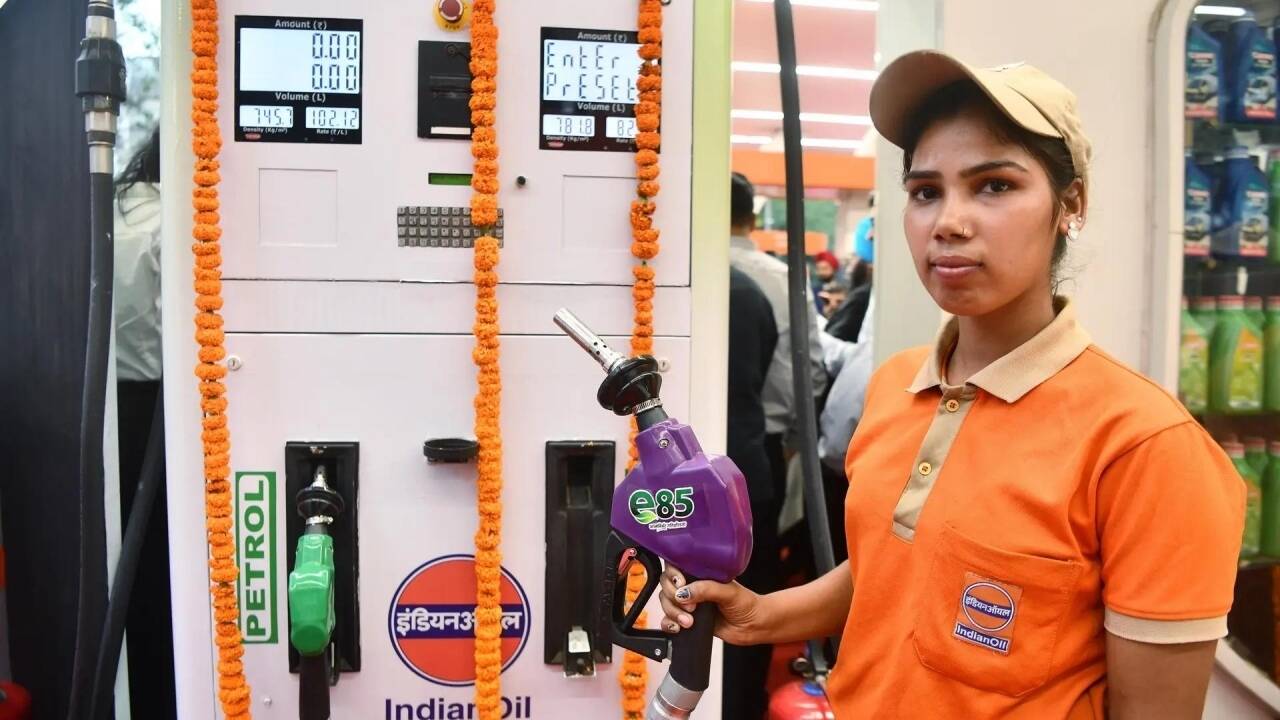
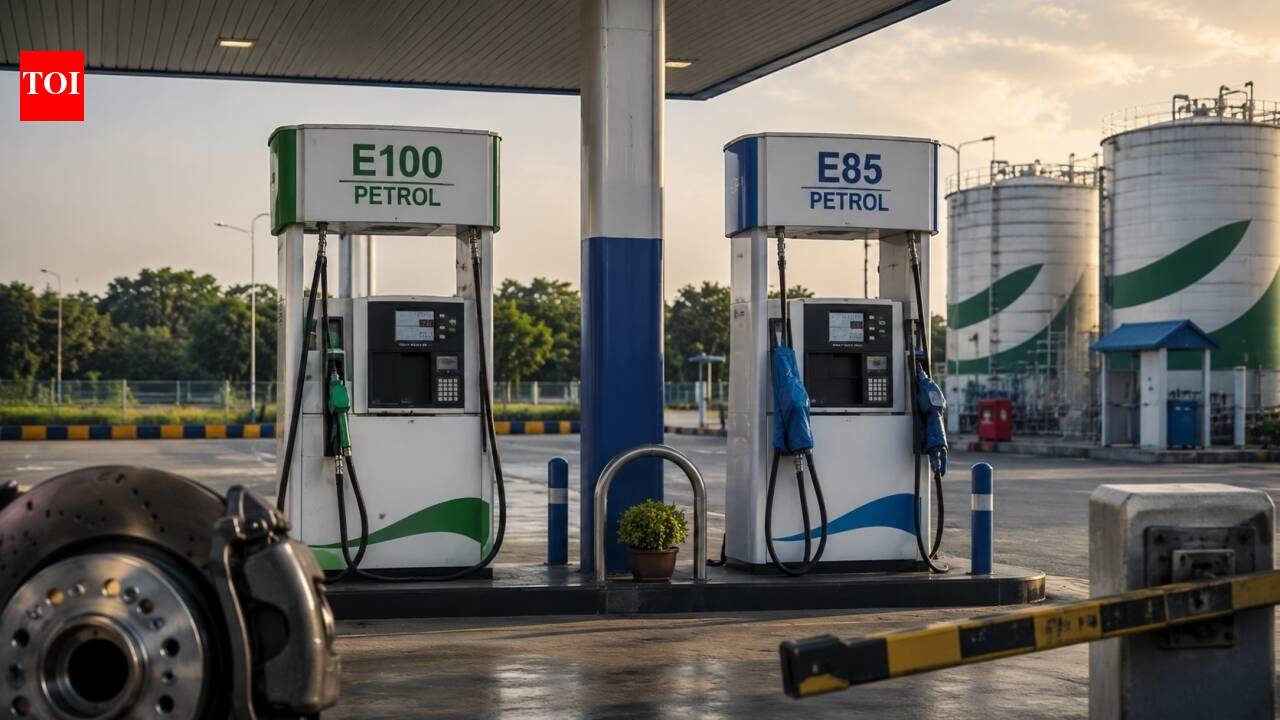
E100 consists entirely of ethanol and can only be used in vehicles equipped with flex-fuel engines, while E85 contains 85% ethanol and 15% petrol, also requiring flex-fuel vehicles. According to the report, the limited availability of such vehicles has become the biggest obstacle to the wider adoption of both fuels. Industry executives quoted in an ET report said that with nearly 400 pilot E100 retail outlets recording virtually no sales, OMCs want the number of flex-fuel vehicles on Indian roads to increase significantly before backing the government's plan to expand ethanol-based fuels as a means of lowering crude import dependence and reducing fossil fuel consumption.
"We launched E100 on a pilot basis at nearly 400 fuel stations, but demand was almost non-existent. As a result, we have reduced the network to just five or six outlets because there were hardly any customers. Although the government has been encouraging us to expand, we prefer to wait and assess how the transition unfolds," a senior Indian Oil Corporation official was quoted as saying.
"Although automobile manufacturers have started introducing flex-fuel vehicles, current demand remains far below the level required to justify a large expansion of fuel dispensing infrastructure. Until sales of these vehicles gain meaningful traction, setting up additional E85 retail outlets would be premature," the official added.
Pricing and economic viability
OMCs attribute the weak response largely to the narrow price gap between E85 and conventional petrol. In Delhi, E85 is priced at Rs 82.12 per litre, compared with Rs 102.12 per litre for petrol—a difference of Rs 20 per litre. However, a report by the Council on Energy, Environment and Water (CEEW) noted that petrol is currently 2-14% cheaper than E100 on a straight price basis, but the real issue is energy content.
| Fuel | Price (Rs/litre) | Energy content relative to petrol | Effective operating cost vs petrol |
|---|---|---|---|
| Petrol | 102.12 | 1.0 | Baseline |
| E85 (Delhi) | 82.12 | Lower | Estimated 15-25% higher |
| Ethanol (E100) | Estimated > petrol price | Lower | Higher |
The CEEW report concluded that ethanol has a lower energy content than petrol, meaning vehicles require more fuel to travel the same distance. As a result, the effective operating cost of ethanol is estimated to be 15-25% higher than that of petrol. The report said ethanol would need to be priced at around Rs 52-63 per litre to become more economical than petrol—a level significantly below the production cost of any commercially viable feedstock assessed. Until pricing becomes more competitive, fuel retailers are unlikely to aggressively promote ethanol-based fuels.
Government plans vs current rollout
Last month, Road Transport and Highways Minister Nitin Gadkari approved regulations permitting the use of E100 fuel. Under the proposed roadmap, the government aims to establish about 500 flex-fuel stations by December 2026 and expand the network to nearly 5,000 outlets across major cities by the end of 2027. However, implementation has been slow: only about 48 fuel stations across the country currently dispense E85, and demand remains limited.
| Timeline | Target stations (flex-fuel) | Actual stations (E85) |
|---|---|---|
| Current | — | 48 (dispensing E85) |
| December 2026 | 500 | — |
| End of 2027 | 5,000 | — |
E20 petrol debate
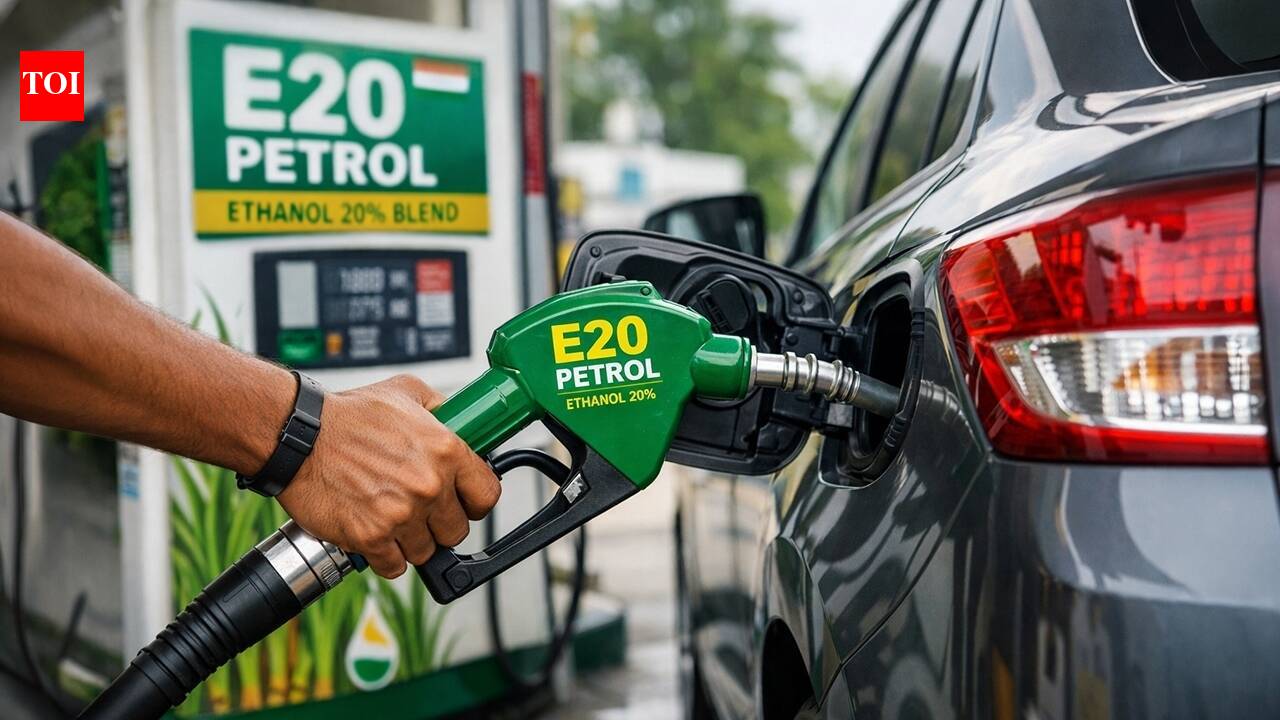
Meanwhile, Petroleum and Natural Gas Minister Hardeep Singh Puri on Monday rejected reports suggesting that consumers are facing problems with E20 fuel, describing such claims as a "misrepresentation." The government is understood to be considering a slower rollout of E25 fuel amid concerns that higher ethanol blends could affect engines in existing vehicles. Automobiles manufactured between 2012 and March 2023 were designed to run on fuel containing up to 10% ethanol, while vehicles produced before April 2025 are not fully compatible with E20 blends either.
For commodity traders and fuel policy analysts, the key takeaway is that ethanol blending targets face significant headwinds from infrastructure constraints, vehicle incompatibility, and unfavourable economics. Without a sharp reduction in ethanol production costs or a faster adoption of flex-fuel vehicles, OMCs will remain cautious about expanding E85 and E100 outlets, potentially capping India's ethanol blending ambitions in the short term.
Sources: