iGEN
Visit IGEN World Explore IGEN Expo
EXPLORE UPGRADE PLANS
BREAKING
Home ›› Commodities ›› Commodities Energy ›› India Exempts Higher Ethanol Blend Grades from Excise Duty

India Exempts Higher Ethanol Blend Grades from Excise Duty

The Central Board of Indirect Taxes and Customs (CBIC) has issued notifications exempting ethanol blended petrol grades E22, E25, E27, and E30 from central excise duties, provided excise duty has already been paid on petrol and GST on ethanol. The move mirrors existing treatment for lower blends and aims to avoid double taxation, according to officials. Joint Secretary Sujata Sharma stated it is a preliminary prerequisite for eventual introduction of higher blends after extensive testing.

iG
iGEN Editorial
June 12, 2026
India Exempts Higher Ethanol Blend Grades from Excise Duty

The Indian government has exempted petrol blended with higher levels of ethanol from excise duty as it seeks to make fuel beyond E20 more attractive for consumers and boost voluntary use, according to the Central Board of Indirect Taxes and Customs (CBIC).

Policy Details

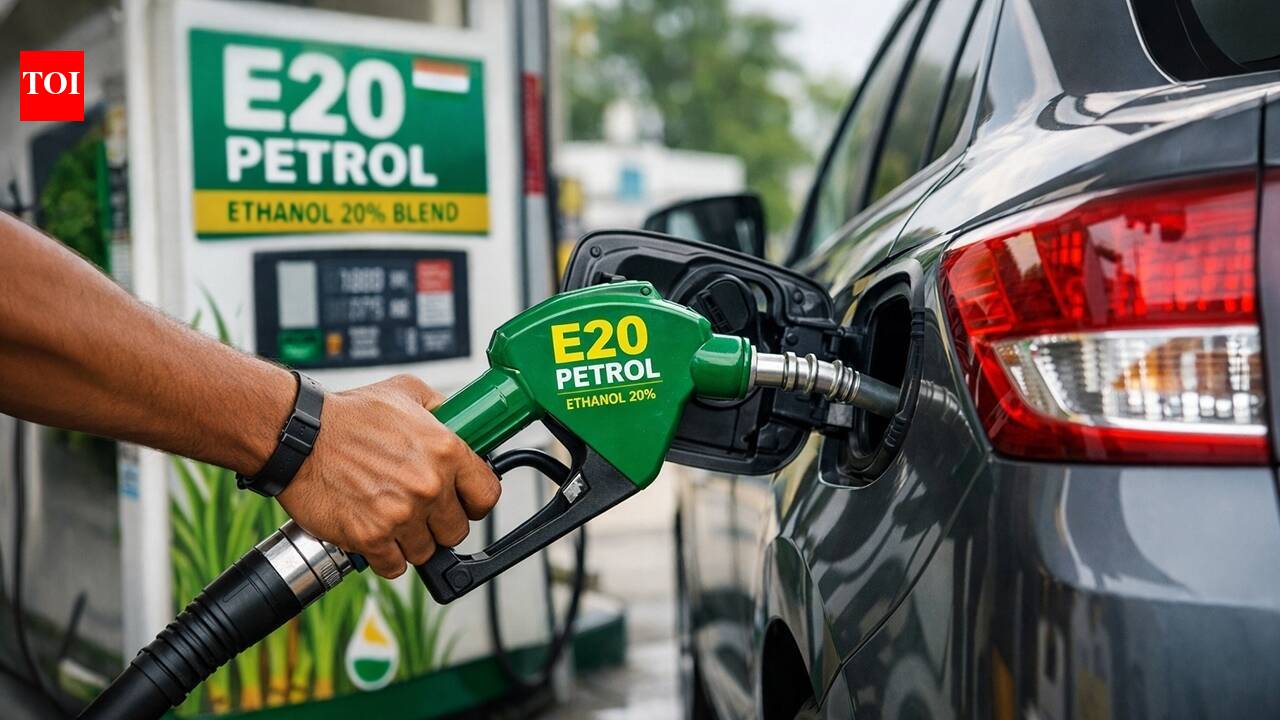
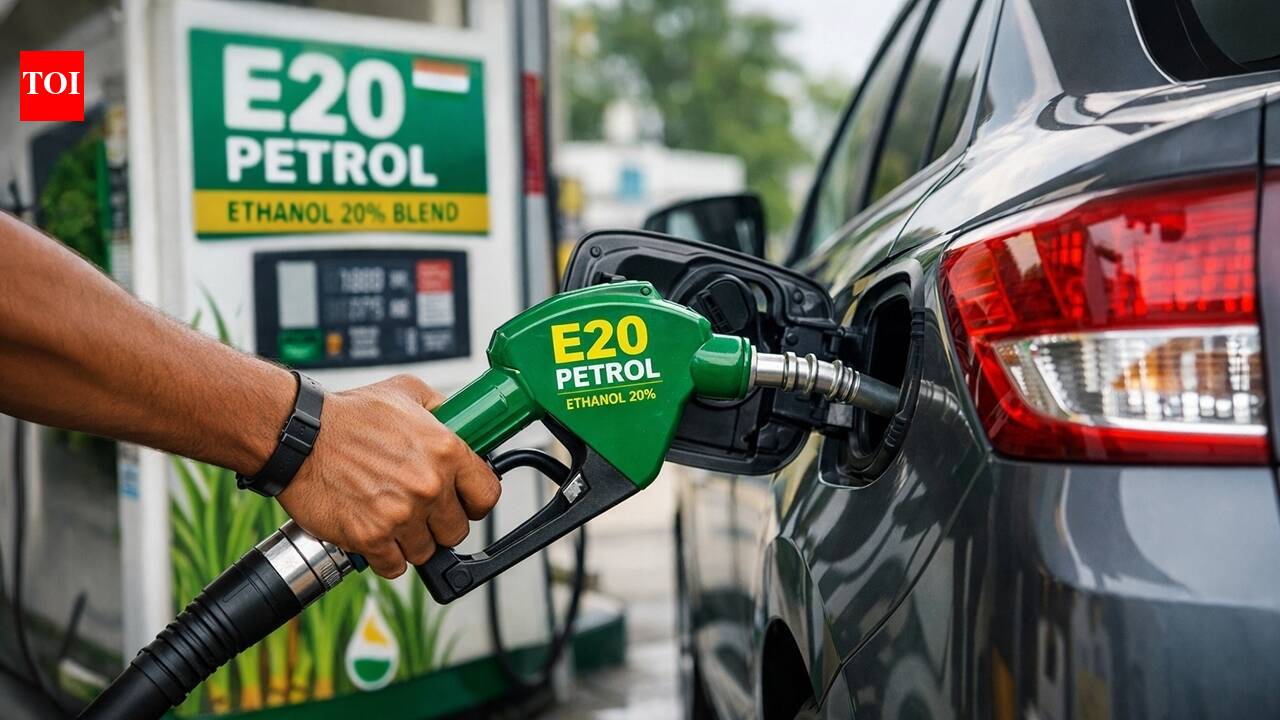
The CBIC issued notifications this week exempting ethanol blended petrol (EBP) grades E22, E25, E27, and E30 — containing 22% to 30% ethanol — from applicable central excise duties. The exemption applies subject to excise duty having already been paid on the petrol component and Goods and Services Tax (GST) having been paid on the ethanol used for blending.

An official explained that the objective is to remove the "deeming fiction" under central excise law that could otherwise result in levy of excise duty again upon the blending activity, thereby avoiding any incidence of double taxation. The exemption mirrors the tax treatment already available to existing ethanol-blended petrol grades such as E5, E10, and E20, and does not represent a reduction in excise duty on petrol sold for domestic consumption, officials clarified.

Ethanol Blend Grade Ethanol Content Excise Duty Status
E5, E10, E20 5%–20% Already exempt
E22, E25, E27, E30 22%–30% Newly exempt (June 2026)

Official Comment

At a press conference, Sujata Sharma, Joint Secretary in the Ministry of Petroleum, stated: "A clarification has been issued for higher blends and there is nothing new with higher BIS standards available. The same excise duty waiver has been extended to E22, 25, 27 and E30." She added that this is a "preliminary prerequisite for eventually introducing higher blends but does not convey anything about roll out of higher blends as of now as that will only be done after extensive testing and consultation."

Impact on Blending Program

India has been steadily increasing ethanol blending in petrol under its National Policy on Biofuels, targeting E20 by 2025. The latest exemption removes a tax barrier for higher blends, potentially encouraging oil marketing companies and consumers to voluntarily adopt E22 and above. However, as Sharma emphasized, full rollout awaits further testing to ensure compatibility with vehicle engines and fuel dispensing systems.

For the downstream commodity market, the policy change does not alter the excise duty on petrol itself but eliminates the double taxation risk for blending activities. This could improve the economics for producing and distributing higher-ethanol fuels, though actual volumes will depend on infrastructure readiness and consumer acceptance. The CBIC's action signals policy continuity with the existing EBP framework, maintaining a level playing field for all blend grades.

As India pursues its ethanol blending targets, the exemption of higher grades from excise duty removes a regulatory hurdle, supporting the government's push for renewable energy in transportation. Market participants will monitor subsequent BIS standard updates and testing outcomes as the next steps toward commercialization of E22 and beyond.


Sources: Business-Today
Keep Reading

Recommended Stories

E20 Controversy: Why India's Ethanol Blending Roadmap Is Back in Spotlight Commodities

E20 Controversy: Why India's Ethanol Blending Roadmap Is Back in Spotlight

India's nationwide rollout of mandatory 20% ethanol-blended petrol (E20) in April 2025 has triggered a political row, with opponents citing a 2021 NITI Aayog report that recommended a phased transition. The controversy intensified after Attorney General R Venkataramani called E20 an 'experiment' during a Supreme Court hearing, raising concerns over vehicle compatibility and fuel efficiency.

July 12, 2026
E20 Petrol Row: Chief Economic Adviser Nageswaran Calls for Lower Ethanol Blend at Pumps Commodities

E20 Petrol Row: Chief Economic Adviser Nageswaran Calls for Lower Ethanol Blend at Pumps

Chief Economic Adviser V Anantha Nageswaran has called on the government to restore lower-ethanol petrol such as E10 alongside the mandatory E20 blend, according to Business Today. The call follows consumer concerns over vehicle performance and damage, and comes as the Supreme Court hears challenges to the E20 policy. The Centre last month said it had no proposal to bring back lower blends, and has defended the programme as cutting imported crude dependence.

August 17, 2026
PSU OMCs say 500 ppm chloride, moisture claims in E20 fuel not validated Commodities

PSU OMCs say 500 ppm chloride, moisture claims in E20 fuel not validated

Public sector OMCs said on Friday that claims of 500 ppm chloride and moisture in E20 fuel were not validated by nationwide testing. Over 160 samples from refineries, distilleries and terminals showed chloride content in the 0–3 ppm range. Only two isolated elevated chloride instances were detected and immediately suspended.

August 7, 2026
E20 Petrol Debate: Indian Government Debunks 7 Claims on Ethanol Blended Fuel, Impact on Mileage and Engines Commodities

E20 Petrol Debate: Indian Government Debunks 7 Claims on Ethanol Blended Fuel, Impact on Mileage and Engines

The Indian government has issued a seven-point clarification refuting 'misleading claims' about E20 petrol, including that pre-2023 vehicles cannot use it and that 30 crore vehicles will become unusable. Minister Nitin Gadkari acknowledged a 2-6% fuel efficiency drop but said no engine failures have been recorded. Automotive companies including Maruti Suzuki and Toyota have voiced support.

July 30, 2026