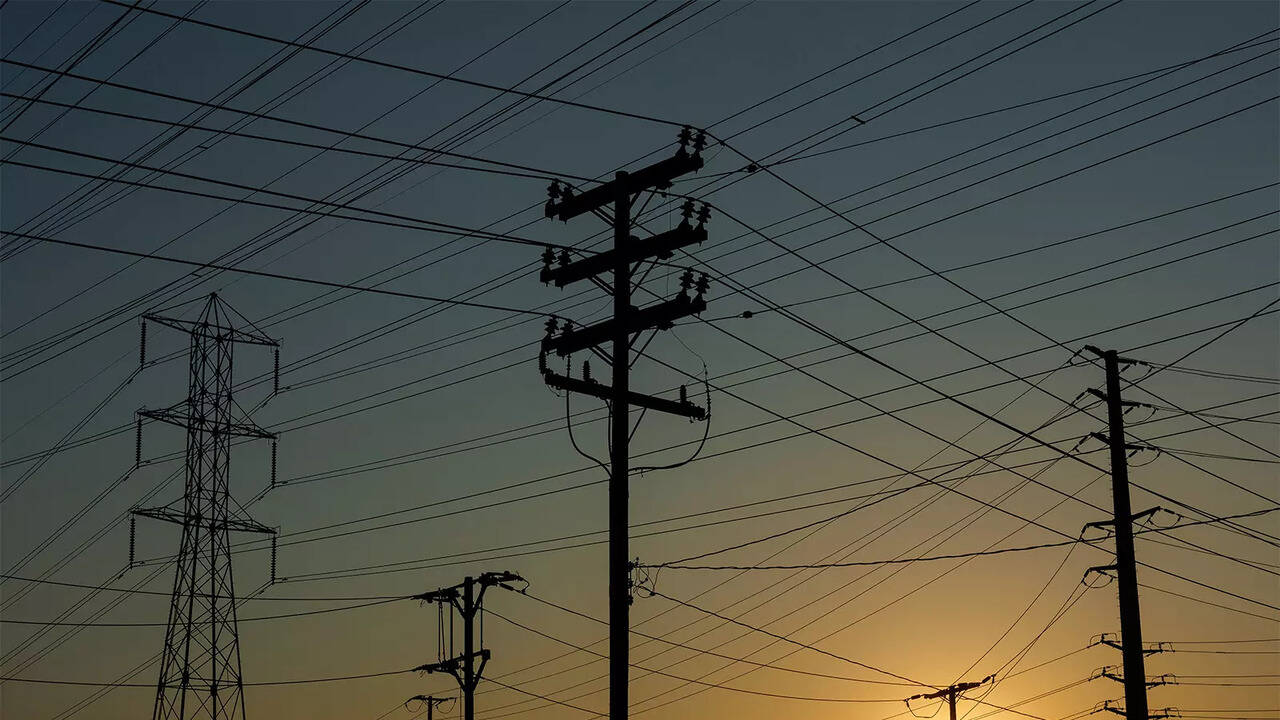
India's power sector is expected to remain charged through FY27 as surging electricity demand, record peak power consumption and continued capacity additions fuel growth, according to a report by 360 ONE Capital. The brokerage highlighted that electricity consumption reached nearly 485 billion units during the April-June 2026 quarter, up 8% year-on-year, while peak power demand hit 270.82 GW in May, driven by extreme heatwaves and a delayed monsoon.
Demand Drivers
Industrial and commercial activity gathering pace supported resilient electricity demand, the report noted. Short-term volumes traded on the Indian Energy Exchange rose 16% year-on-year in the first quarter of FY27, indicating greater reliance on exchange-based markets during supply tightness.
Capacity Expansion
India's installed power generation capacity crossed 548 GW by June 30, 2026, with non-fossil fuel sources accounting for around 54% of the total. During the quarter alone, the country added 16.8 GW of fresh capacity, broken down as follows:
| Energy Source | Capacity Added (GW) |
|---|---|
| Renewable | 13.2 |
| Coal thermal | 2.9 |
| Hydropower | 0.65 |
| Total | 16.8 |
Power generation also expanded broadly: total generation grew 8% year-on-year, renewable generation surged 21%, and thermal generation rose 7% over the same period.
Supply Side: Thermal and Renewables
Even as renewable energy expands rapidly, thermal power is expected to remain central to India's electricity mix. According to 360 ONE Capital, the country's energy strategy will continue to rely on both sources, with coal-fired plants providing dependable base-load power.
"Coal remains the backbone of India's electricity system, contributing ~70% of total power generation and providing dependable base-load power." — 360 ONE Capital report
The report added that this dependence is unlikely to change materially over the coming decade given strong demand growth and the need for round-the-clock power.
Market Outlook
360 ONE Capital said the sector's outlook for FY27 remains positive, supported by energy security priorities and the possibility of an El Nino impact that could boost thermal power demand. Capacity additions are expected to strengthen utility performance. The brokerage cautioned, however, that higher interest and depreciation costs could affect some renewable-focused companies in the near term. Coal inventory levels and the pace of project execution will remain key factors to watch, while rising electricity demand, renewable expansion, thermal additions and storage development are expected to underpin long-term growth.
For commodity traders and energy analysts, the sustained thermal generation growth signals steady coal demand, while the rapid renewable buildout points to rising demand for solar panels, wind turbines, and battery storage components. The Indian Energy Exchange volume spike highlights increased spot-market activity, which may influence short-term coal procurement strategies.
Sources: